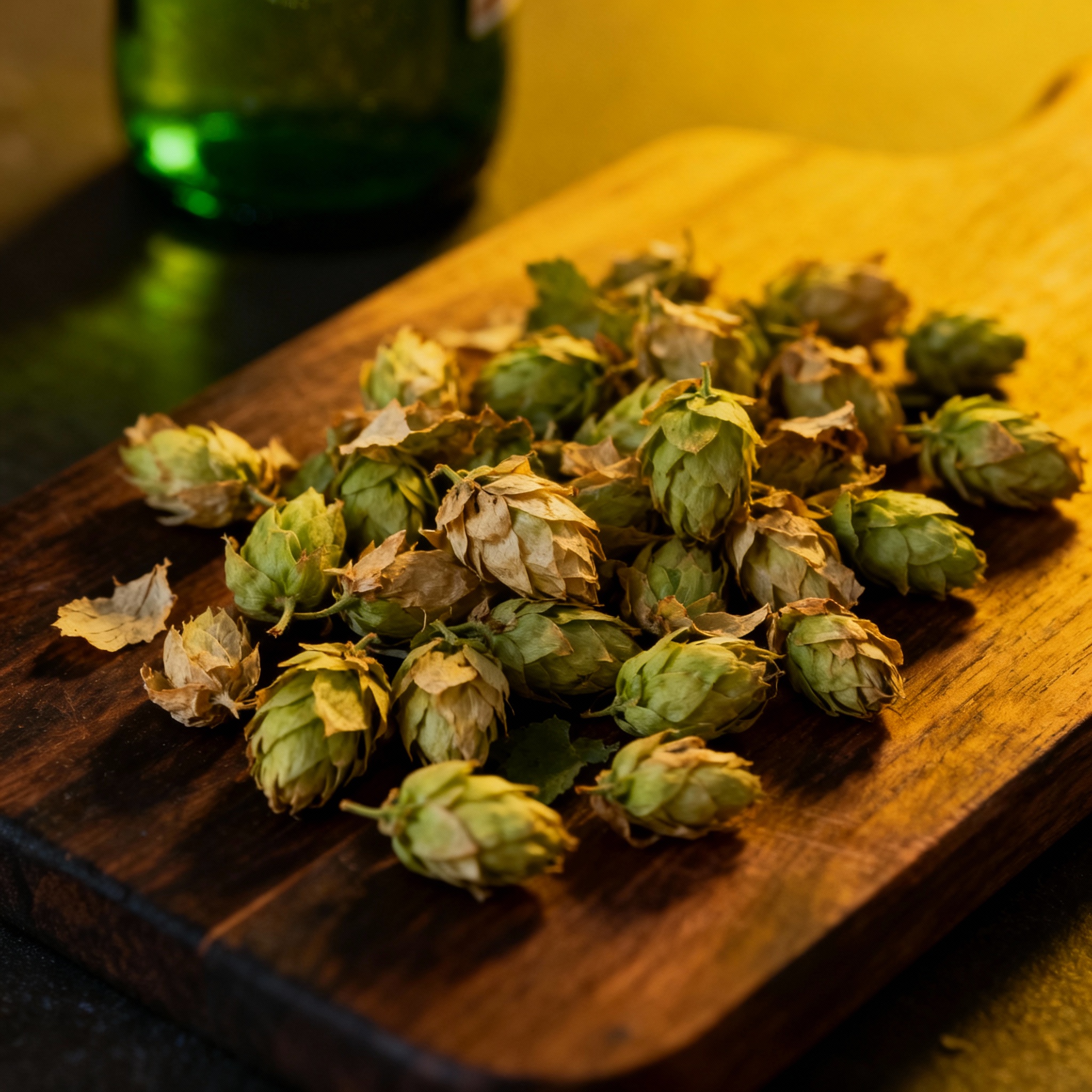
Noble Hops: Hallertau, Saaz, and Tettnang.
I learned about noble hops the hard way three years ago when I brewed my first German Helles using generic “Hallertau” pellets. The beer was drinkable, but it lacked the delicate, perfume-like floral character I experienced at Augustiner’s brewery in Munich.
After switching to actual Hallertau Mittelfrüh from a specialty supplier like MoreBeer! or Northern Brewer, the difference was shocking. This taught me to stop treating hops like interchangeable flavor packets and start viewing them like wine grapes.
Noble hops are specific low-alpha varieties grown in legendary regions that define traditional lagers. If you want a Pilsner or Bock to taste authentic, you must understand the chemistry and the dirt they grow in.
What Defines a “Noble” Hop?
The term “noble hop” is a cultural classification traditionally referring to four varieties: Hallertau Mittelfrüh, Saaz, Tettnang, and Spalt. These hops are grown in specific Central European regions with deep brewing traditions.
Terroir matters immensely for these varieties; for example, Saaz grown in Oregon will not replicate the flavor of Saaz from Žatec in Bohemia. The local soil, climate, and farming methods produce aromatic profiles that are difficult to replicate elsewhere.
Chemically, noble hops share low alpha acid content (2% to 5%) and a balanced humulone to cohumulone ratio. Lower cohumulone levels are associated with a smoother, less harsh bitterness in the finished beer.
Noble hops typically possess high levels of humulene and farnesene. A high humulene-to-caryophyllene ratio (often 3:1) skews the aroma toward floral and spicy notes rather than woody or earthy ones.
Always check the harvest year when buying noble hops. Because they are low-alpha, their essential oils degrade faster than high-alpha varieties, so freshness is critical for proper aromatics.
Hallertau Mittelfrüh: The German Standard
Hallertau Mittelfrüh is the definitive hop for German lagers like Helles and Märzen. Its name translates to “middle early,” which refers to its specific harvest time in the Hallertau region of Bavaria.
The flavor profile is delicately floral and spicy, often showing notes of white flowers, black pepper, and lemongrass. Balance is key with this variety, as overdoing it can result in a soapy character while underdoing it makes the profile disappear.
It is the gold standard for Helles because it provides just enough bitterness without overpowering the malt. Its high humulene and low myrcene content ensure a clean, floral profile rather than a resinous or piney one.
Use Hallertau Mittelfrüh for late additions (15 minutes or less) or whirlpool additions. Its low alpha acid content makes it inefficient for bittering, and heat will destroy its delicate floral complexity.
Saaz: The Czech King
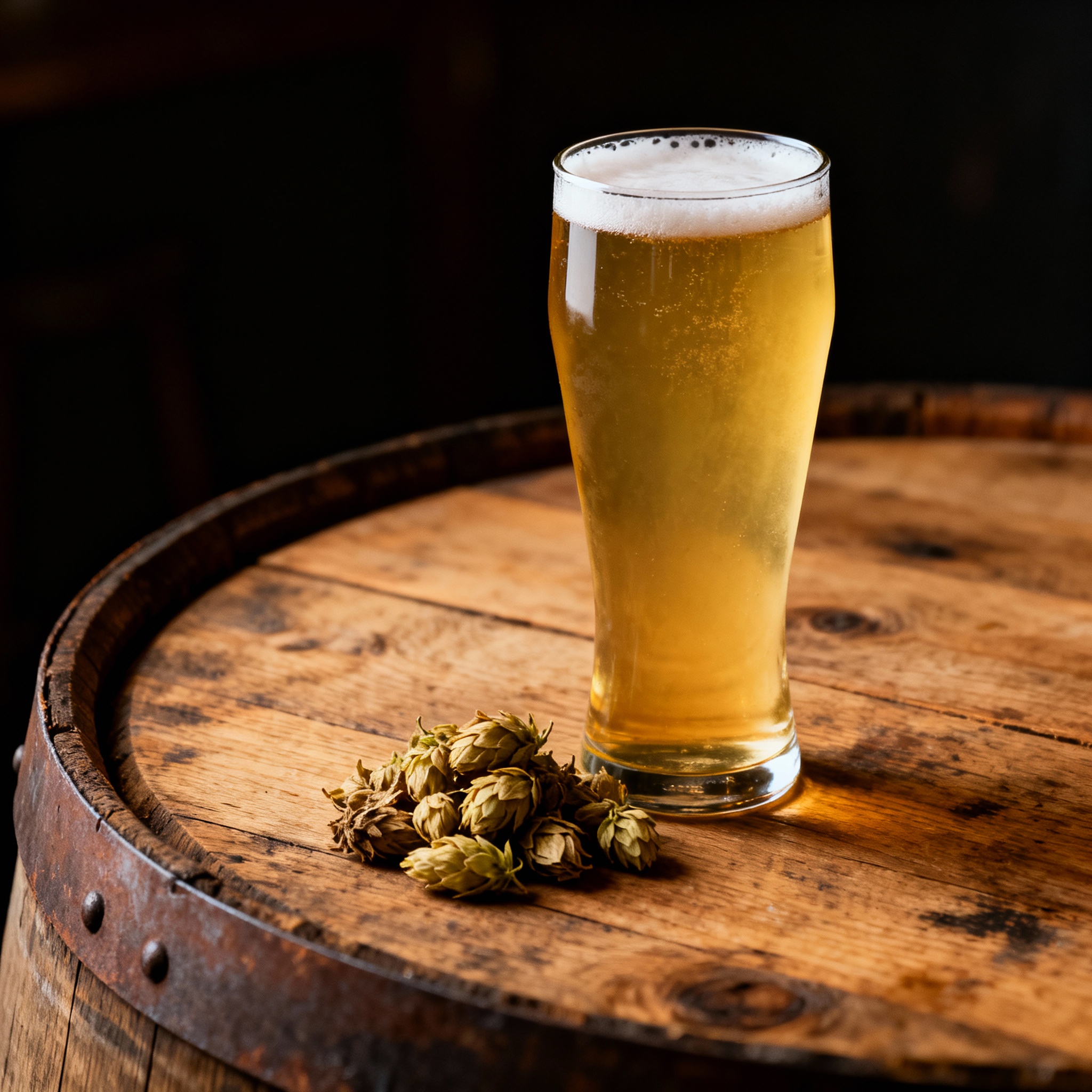
Saaz is the defining hop of Czech Pale Lager style beers and is famously associated with Pilsner Urquell. While Hallertau is floral, Saaz leans into earthy, herbal, and spicy territory with a mild “spice kick.”
What sets Saaz apart is its high polyphenol content, which contributes to a beer’s mouthfeel and clarity. These polyphenols interact with proteins during the boil to form a better “hot break,” leading to a crisper finish.
The bitterness of Saaz is famously soft and rounded. It integrates into the malt rather than sitting on top of it, creating the herbal and white pepper foundation characteristic of Bohemian brewing.
Research published by the American Society of Brewing Chemists shows Saaz contains 3% to 5% total polyphenols by weight. This is higher than most other noble hops and is a primary reason for the refined mouthfeel found in authentic Czech lagers.
Saaz is highly sensitive to oxygen. If you choose to dry-hop with it, do so immediately before packaging to avoid a stale, grassy flavor that can develop quickly.
Tettnang: The Complex Cousin
Tettnang is grown near Lake Constance in southern Germany and offers a more complex profile than its cousins. It sits between Hallertau and Saaz, often contributing a unique tea-like quality.
The flavor is a chameleon, shifting between black tea, mint, chamomile, and honey. It also possesses a subtle fruitiness reminiscent of underripe apples that sits quietly underneath the herbal notes.
Chemically, Tettnang is distinguished by high levels of farnesene. This sesquiterpene provides a woody and slightly fruity aroma that is less pronounced in Hallertau Mittelfrüh.
Utilize Tettnang in the whirlpool at 180°F for 20 minutes. Boiling temperatures can drive off the delicate tea-like aromatics, but a cooler whirlpool steep will preserve them effectively.
Low Alpha Acid and Usage Rates
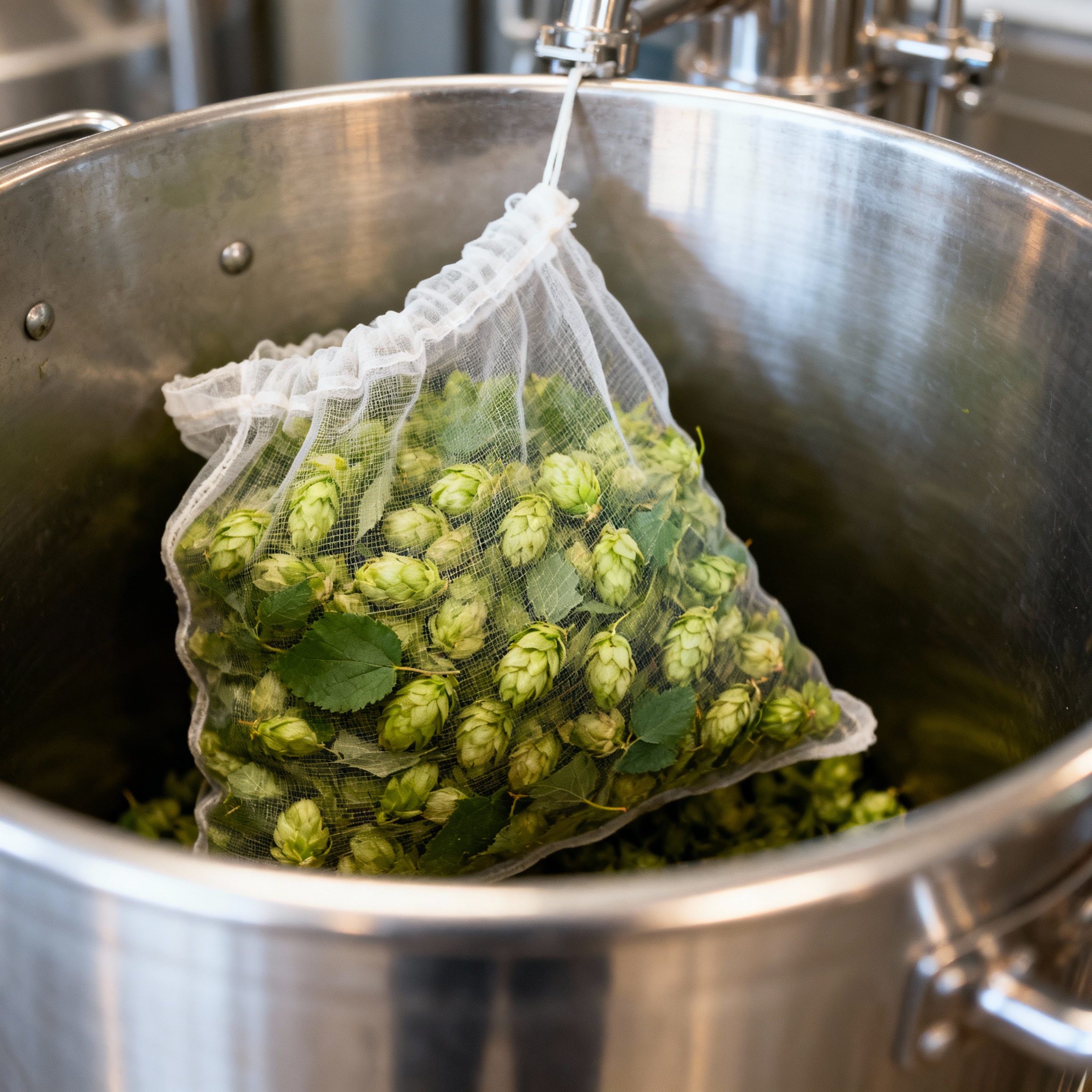
Noble hops require larger additions to reach IBU targets because of their low alpha acid content. Adding this much vegetative matter affects the beer beyond just bitterness, impacting mouthfeel and flavor complexity.
Using Saaz at 3.5% alpha acid requires roughly four times the amount of plant material as using a high-alpha hop like Magnum. This large volume of hops contributes significantly to the integrated hop character of traditional pilsners.
However, using so much plant material reduces efficiency, as you lose more wort to hop absorption. You may find that your kettle utilization drops because the high volume of vegetative matter gets in the way during the boil.
| Hop Variety | Alpha Acids (%) | Primary Aroma | Best Style |
|---|---|---|---|
| Hallertau | 2.0% - 5.0% | Floral, Spicy | Helles |
| Saaz | 2.0% - 4.5% | Earthy, Herbal | Pilsner |
| Tettnang | 3.0% - 5.5% | Tea, Mint | Kölsch |
Substitute Varieties
If you cannot find authentic European noble hops, several American-bred varieties can serve as substitutes. Liberty is the closest match for Hallertau Mittelfrüh, offering a similar floral and spicy character.
Mt. Hood is a more herbal substitute that works well as a replacement for Tettnang. Sterling was bred to mimic Saaz; it captures the herbal spice but is generally cleaner and lacks the deep earthiness of the Czech original.
Don’t assume all hops with “Hallertau” in the name are the same. Hallertau Tradition or Hallertau Blanc are different varieties with different profiles. Always verify the specific variety name and origin on the package.
Conclusion
Noble hops have remained the foundation of European brewing for centuries because they support malt with unmatched subtlety. Whether you use Hallertau for floral depth, Saaz for herbal crispness, or Tettnang for tea-like complexity, these varieties are essential for authentic lagers.
By understanding their low alpha acid efficiency and the importance of terroir, you can move beyond generic bitterness. Start experimenting with these varieties in your whirlpool to see how they transform your pilsners and helles from “drinkable” to “world-class.”
References
- Daniels, R. (1996). Designing Great Beers. Brewers Publications.
- Palmer, J., & Kaminski, C. (2013). Water: A Comprehensive Guide. Brewers Publications.
- Hieronymus, S. (2012). For the Love of Hops: The Practical Guide to Aroma, Bitterness and the Culture of Hops. Brewers Publications.