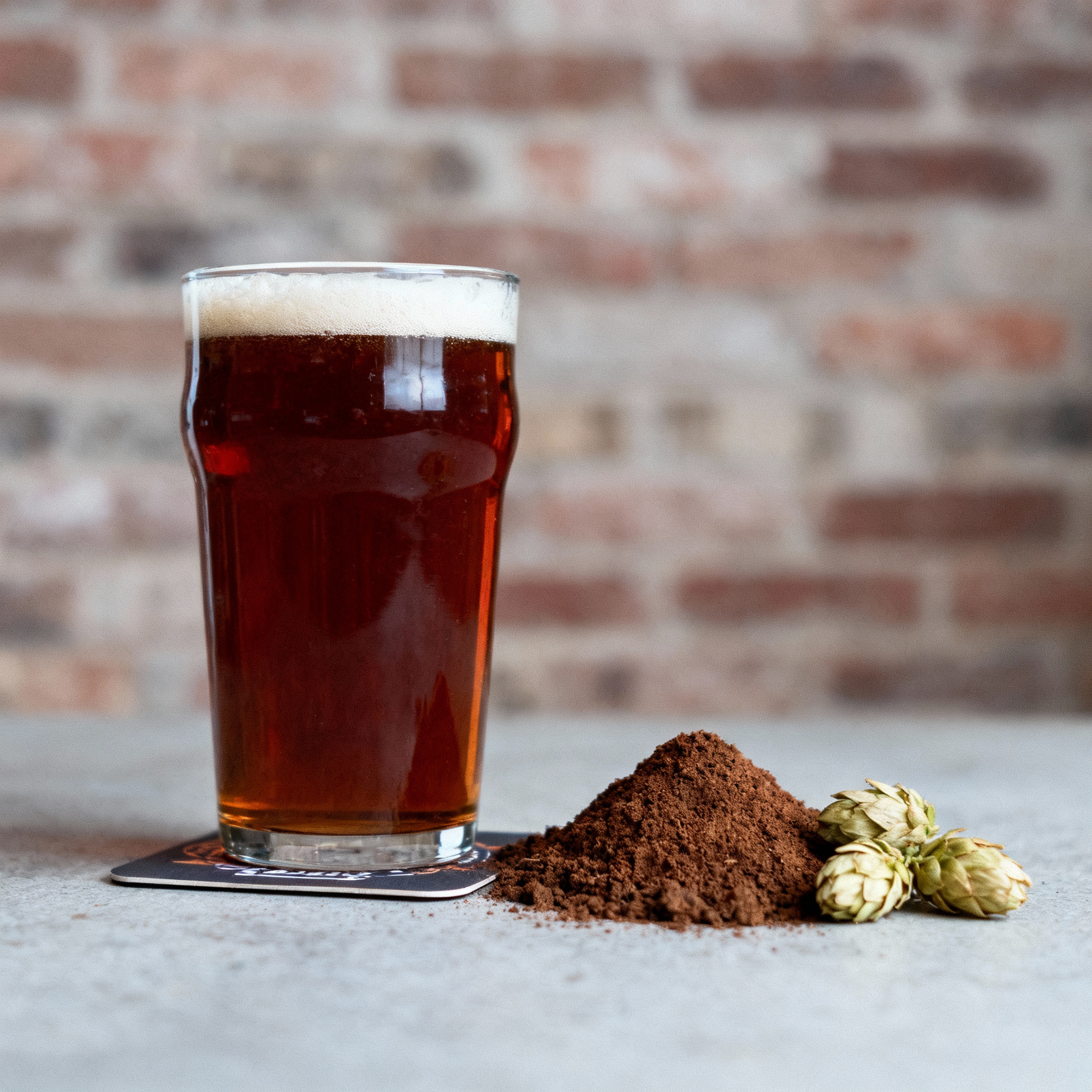
The Earthy & Woody: Fuggles and Goldings.
I once tried to brew an English Bitter using Cascade hops because that’s what my local homebrew shop had in stock. The beer wasn’t bad, but it tasted wrong.
The citrus notes clashed with the biscuity malt, like putting orange juice on toast. That’s when I realized that English ales need English hops, and if you can’t get the real thing, you need to understand what makes them different.
Fuggles and Goldings are not flashy. They won’t punch you in the face with grapefruit or tropical fruit; they smell like a walk through damp woodland after rain, with hints of honey and tea.
If American hops are rock and roll, these are folk songs played in a 400-year-old pub. They define what a proper Bitter, Mild, or Porter should taste like.
The Flavor of the English Countryside
English hops taste like the soil they grow in, influenced by the chalky clay of Kent and the misty maritime climate. This terroir is real, as the soil chemistry and climate create profiles you won’t find anywhere else.
East Kent Goldings grown in Oregon or Slovenia (Styrian Goldings) share the same genetics but smell different. A hop farmer in Kent once told me these hops “whisper” rather than shout, referring to their low alpha acid content.
You’re using them for aroma and a soft, rounded bitterness that supports malt rather than overpowering it. Because English ales are served at cellar temperature, these subtle flavors are allowed to come forward.
If you’re brewing a traditional English ale, carbonate to around 1.5 to 2.0 volumes of CO2. Lower carbonation lets the earthy hop character shine without the fizz interfering.
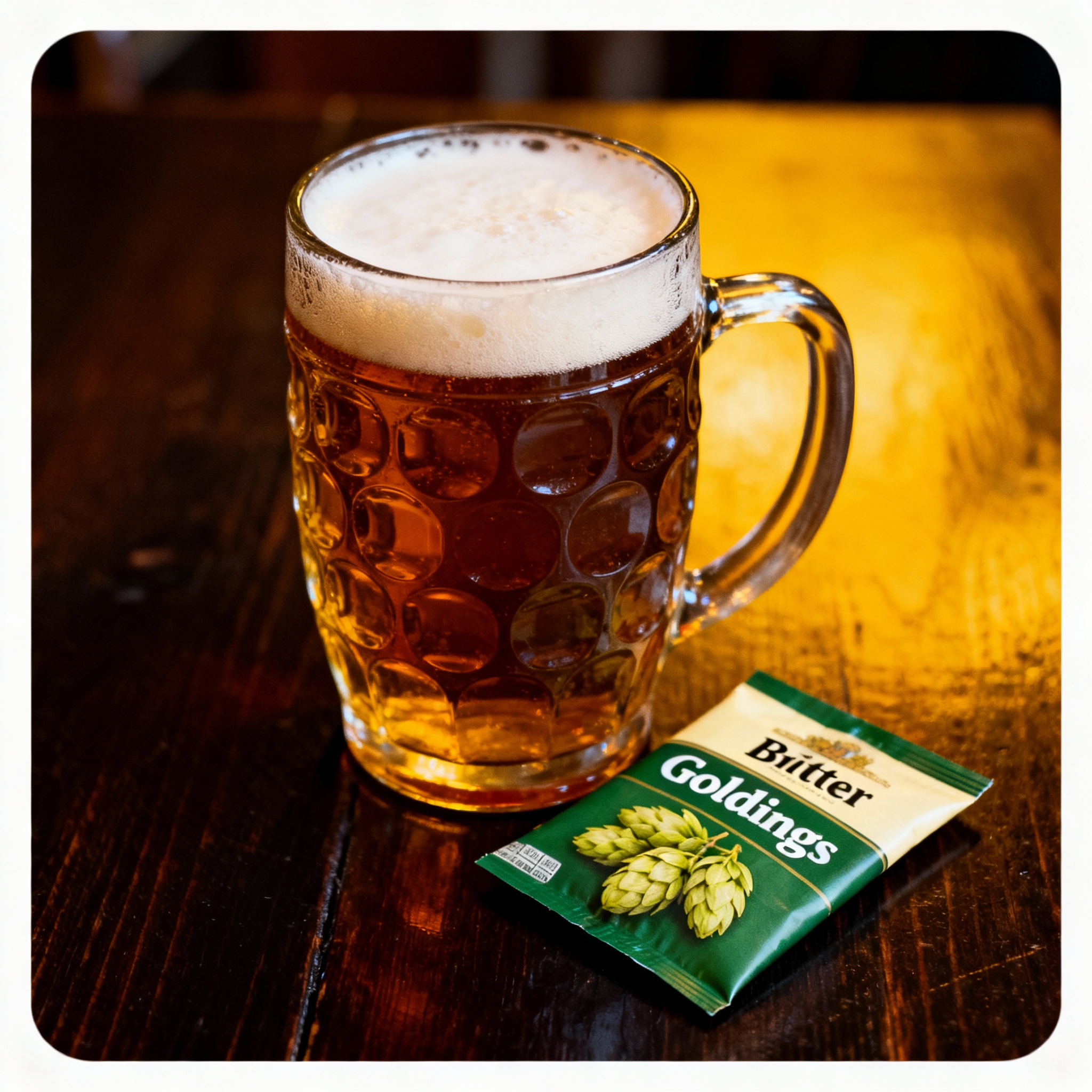
Fuggles: The Quintessential Ale Hop
Fuggles was first cultivated in 1875 by Richard Fuggle in Kent and dominated English hop production for decades. Today, it’s the backbone of traditional Porters, Milds, and some Bitters despite having lower yields than modern varieties.
The flavor is woody and earthy, often described as minty or grassy with notes of damp oak bark. It feels comforting, like walking into a library that smells like old paper and wood polish.
Fuggles has a relatively high myrcene oil content, which contributes to its herbal and woody notes. However, this also makes it prone to rapid oxidation, meaning stale Fuggles can quickly develop a “damp cardboard” off-flavor.
The alpha acid range is typically 4% to 5.5%, so you need more hops by weight compared to high-alpha American varieties. I brewed a Mild last year using only Fuggles and the result was a soft, earthy backdrop that let the chocolate malt shine.
One challenge with Fuggles is storage, as it deteriorates faster than some modern varieties. I’ve had batches go stale in the fridge after six months, so always vacuum-seal and freeze them immediately.
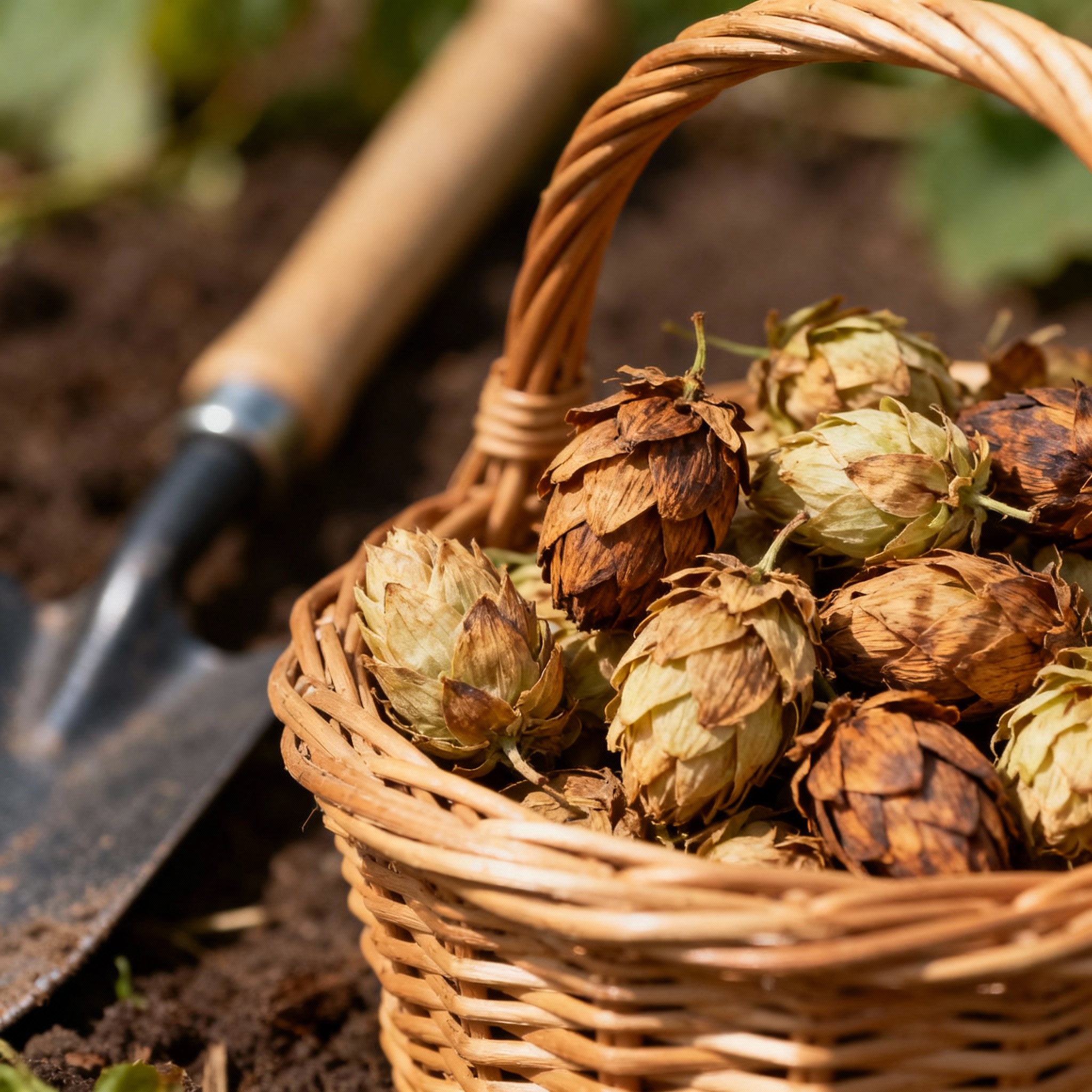
East Kent Goldings: The Honeyed Floral
East Kent Goldings is often called the “Royal” hop because it was used in beers served at the British court. The aroma is floral, with honey, lavender, and a hint of lemon zest, making it more delicate than Fuggles.
I brewed an ESB with only Goldings once and the result was layers of honey and floral notes over a firm malt base. The flavor is distinct from Goldings grown elsewhere, though true East Kent Goldings can be expensive and hard to find.
English brewing water, particularly from Burton-on-Trent, is high in sulfates. High sulfate levels accentuate the hop bitterness of Fuggles and Goldings, making the finish feel dryer and crisper.
Consistency is a challenge because hop farms in Kent are small and weather-dependent. I once bought two batches of the same harvest year and one smelled like lavender while the other was more lemony.
If you’re dry-hopping with Goldings, use 0.5 to 1 ounce per 5 gallons for 3 to 4 days. Longer contact can pull out grassy, stemmy flavors that ruin the delicate profile.
Pairing Fuggles with Goldings
Most classic English ales use both hops together, with Fuggles providing the earthy base and Goldings adding floral complexity. This “one-two punch” defines styles like ESB and Best Bitter.
A typical recipe might use Fuggles for bittering at 60 minutes and Goldings at 15 minutes for mid-palate flavor. I brewed a Fullers ESB clone last winter with this schedule and the balance was perfect.
At 60 minutes, most of the volatile oils responsible for aroma are boiled off, leaving only the isomerized alpha acids for bitterness. This is why late additions or whirlpooling are essential for preserving the “damp woodland” aroma.
English ales are malt-forward, so hop bitterness should be noticeable but restrained. If you push past 50 IBUs, you’re making an American interpretation rather than a traditional English ale.
Water chemistry also matters; I add gypsum to get my sulfate level to around 200 to 250 ppm. This makes the Fuggles and Goldings pop without needing to add more hops to the kettle.
Why Earthy Hops Support Roast Malt
Roasted malts create flavors like coffee, dark chocolate, and burnt toast which are bitter on their own. If you add a hop with bright citrus or pine character, you often get a clash that reads as metallic.
Earthy, woody hops like Fuggles blend into the background. The woody notes echo the roasted grain, creating a unified flavor instead of two competing elements.
I brewed a Porter using only Fuggles once and the hop bitterness felt integrated, like part of the malt profile. When I brewed the same recipe with Cascade, the citrus stuck out like a sore thumb.
In roast-heavy beers, keep the IBUs low (25 to 35) and use a single 60-minute addition of Fuggles or Goldings. The roast malt provides enough complexity on its own without needing late hops.
Fuggles vs. Goldings: Quick Reference Table
| Characteristic | Fuggles | East Kent Goldings |
|---|---|---|
| Alpha Acids | 4.0-5.5% | 4.0-6.0% |
| Primary Aroma | Earthy, woody, minty | Floral, honey, lavender |
| Best Use | Bittering, mid-additions | Late additions, aroma |
| Typical Styles | Porter, Mild, Brown Ale | ESB, Bitter, Pale Ale |
| Substitute | Willamette | Styrian Goldings |
Conclusion
Fuggles and Goldings have been the foundation of English brewing for over a century because they support malt without overwhelming it. They are the essential choice for authentic Bitters and Porters.
Use Fuggles for earthy depth and Goldings for honeyed complexity. Once you understand what they contribute, you’ll never go back to using Cascade in a traditional Bitter again.
References
- Daniels, R. (1996). Designing Great Beers. Brewers Publications.
- Palmer, J., & Kaminski, C. (2013). Water: A Comprehensive Guide. Brewers Publications.
- Neve, R. A. (1991). Hops. Chapman and Hall.
- Hieronymus, S. (2012). For the Love of Hops. Brewers Publications.