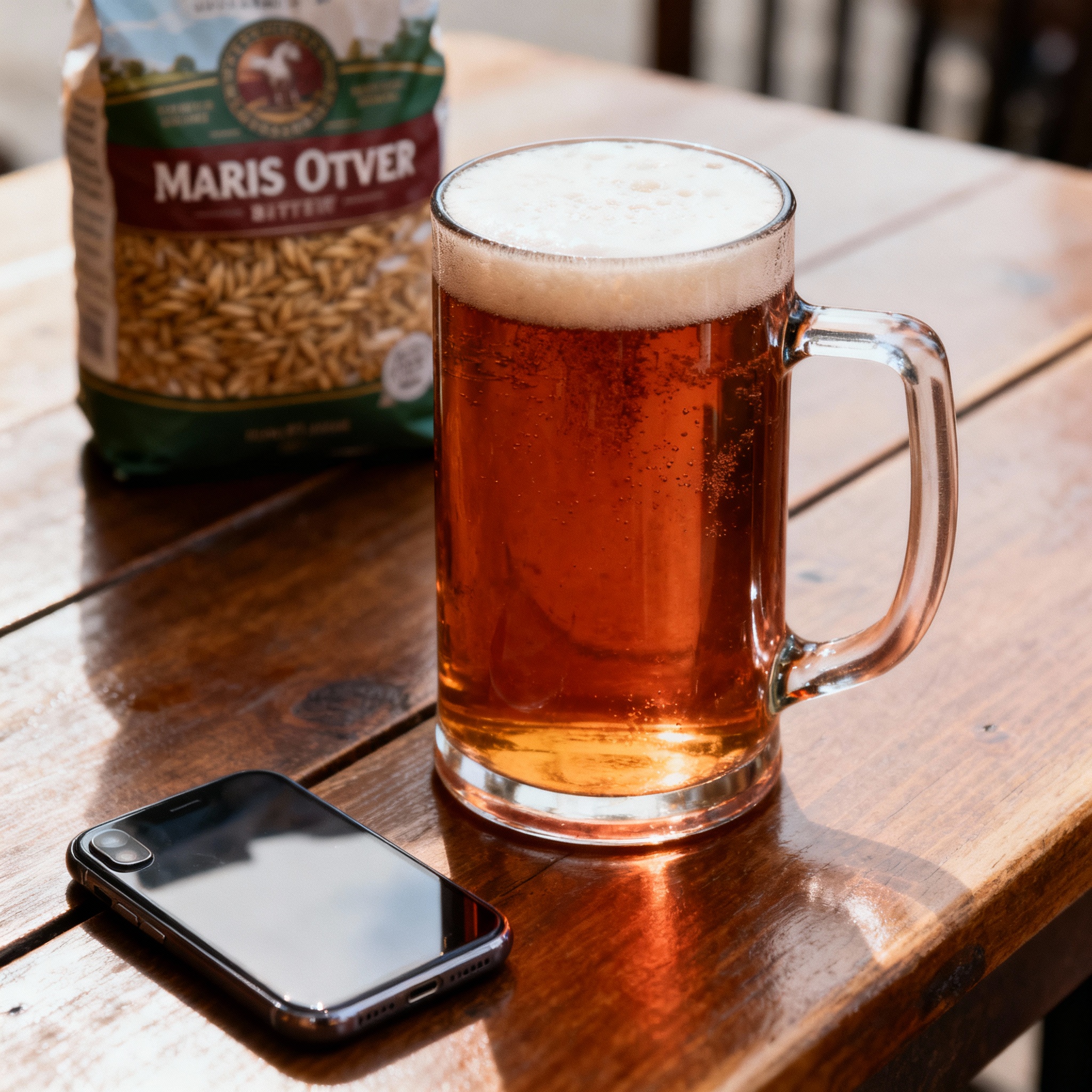
English Bitter: Ordinary, Best, and ESB.
I’ve screwed up more batches of English Bitter than I care to admit. Not because the recipe is complicated (it’s one of the simplest beer styles you can brew), but because I kept chasing the wrong thing.
I thought “bitter” meant hop-forward. I thought cask ale was just flat beer. I thought serving it at 55°F was laziness, not tradition.
Then I spent three weeks in Yorkshire visiting small breweries, and it clicked. The pub regular nursing his third pint of Ordinary Bitter at 2 PM on a Tuesday wasn’t drinking “boring brown beer.”
He was drinking something balanced, subtle, and designed for conversation, not Instagram. When I came back to Asheville and brewed my first proper batch using what I learned, I finally understood why the Brits never hopped on the IPA train the way we did.
They already had their perfect beer. This style isn’t about chasing extremes.
It’s about restraint, malt character, and making something you can drink four pints of without your palate giving up. If you’ve been brewing hop bombs and adjunct stouts, Bitter will feel like putting down a heavy backpack.
And if you’ve never had real cask ale, you’re in for a weird, wonderful surprise.
The Hierarchy: Three Strengths, One Family
English Bitter isn’t one beer. It’s a sliding scale of alcohol and malt presence, all built on the same backbone.
The categories (Ordinary, Best, and Extra Special Bitter or ESB) weren’t invented by a style committee. They came from pub economics and session drinking culture.
Ordinary Bitter sits around 3.5% ABV. This is your lunchtime beer, your Tuesday-after-work beer, your “I’m driving home in an hour” beer.
In the UK, this is just called “Bitter” on the chalkboard. No prefix needed.
The malt is light, the body is thin, and the hops are there for balance, not bitterness. If you brew this at home, you’ll wonder how something so simple can taste this clean.
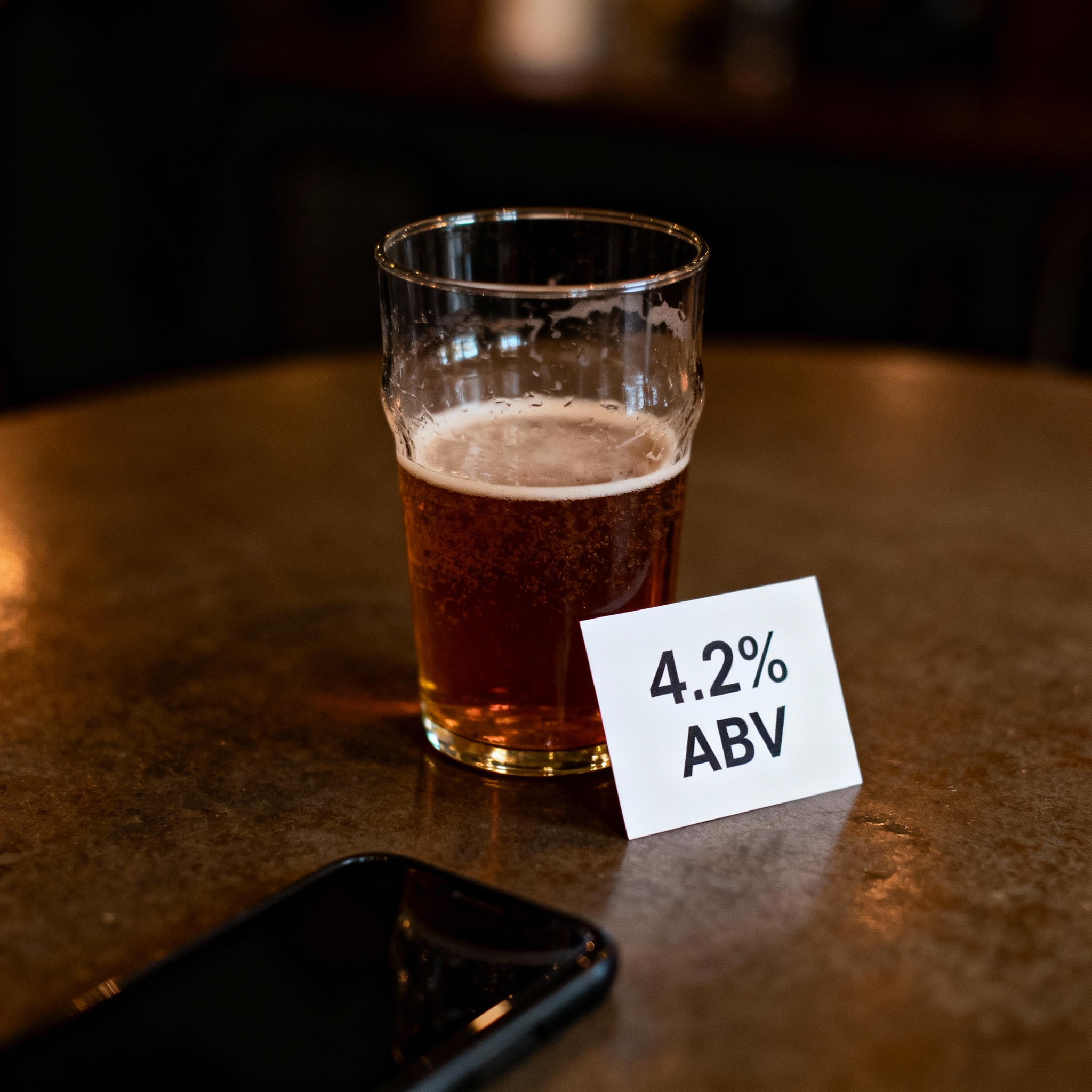
Best Bitter jumps to around 4.2% ABV. More malt sweetness, a bit more body, slightly more hop presence.
This is the house beer at most traditional pubs. The line between Ordinary and Best is blurry, but the intent is the same: drinkability first, complexity second.
Extra Special Bitter (ESB) lands around 5.5% ABV, though Fuller’s ESB (the most famous example) clocks in at 5.9%. This is where you get noticeable malt richness, some caramel notes, and enough hops to actually register as “bitter” to modern palates.
It’s still restrained compared to an American Pale Ale, but it’s the biggest beer in the Bitter family. If Ordinary is a session beer, ESB is the “one or two pints with dinner” beer.
The thing that messed me up early on was thinking these were three separate recipes. They’re not.
You can use the same grain bill and hop schedule for all three and just adjust the gravity. Scale the malt up, keep the hops proportional, and you move from Ordinary to Best to ESB.
If you’re brewing your first Bitter, start with Best. It’s the Goldilocks strength (not too light to lose malt character, not too strong to lose sessionability) and the most forgiving if your water chemistry is off.
Ingredients: Maris Otter and East Kent Goldings
Maris Otter malt as the base (90 to 95% of the total grist), a touch of crystal malt for color and sweetness (5 to 10%), and maybe a pinch of chocolate malt if you want a darker ESB.
Maris Otter isn’t just “pale malt from England.” It has a distinct biscuit and nutty flavor that American two-row doesn’t have.
I’ve tried substituting it with domestic pale malt to save money, and the beer always comes out thinner and less interesting. If you’re going to splurge on one ingredient for this style, make it Maris Otter.
Crystal malt adds a caramel sweetness and a bit of amber color. Don’t go overboard.
Too much crystal and you end up with cloying sweetness that fights the low carbonation. I use about 6% in my Best Bitter recipe, and even that feels like the upper limit.
Hops are where American brewers get confused. We’re trained to think hops equal flavor.
In English Bitter, hops equal balance. East Kent Goldings (EKG) is the traditional choice.
It’s earthy, floral, slightly spicy, and low in alpha acid. Fuggles is the other classic option, a bit more woody and tobacco-like.
You’re not dry-hopping this beer. You’re not doing a hopstand.
You’re doing a single 60-minute bittering addition and maybe a 10-minute flavor addition. The goal is 25 to 35 IBUs for Ordinary, 30 to 40 for Best, and 40 to 50 for ESB.
I’ve had batches where I ran out of EKG and substituted Willamette. It worked fine, but the beer lost some of that “British pub” character. The floral note turned slightly citrusy.
If you can’t get fresh EKG, use Styrian Goldings. It’s not the same (it’s a Slovenian hop), but the flavor profile is close enough that most people won’t notice.
Yeast Character: Fruity Esters and Low Attenuation
American ale yeast is bred to disappear. It ferments clean, attenuates high, and gets out of the way so the hops can shine.
English ale yeast does the opposite. It leaves sugar behind (low attenuation), throws fruity esters, and becomes part of the flavor.
I use Wyeast 1968 London ESB or White Labs WLP002 English Ale. Both are low attenuators (68 to 72%), which means your final gravity will be higher and the beer will have more body.
A thin, dry Bitter feels wrong. You want a slight malt sweetness lingering in the finish.
The fruity esters are tricky. Ferment too warm (above 68°F) and you get banana and bubblegum.
Ferment too cold (below 62°F) and the yeast goes quiet, and you lose the character. I aim for 64 to 66°F during active fermentation.
One mistake I see homebrewers make is over-pitching. English ale yeast is already a low attenuator.
If you pitch too much, it ferments even slower and sometimes stalls out early. I use a standard pitch rate and let it ride.
Another thing: don’t rush it. American ale yeast finishes in five days, but English ale yeast takes seven to ten.
Give it time to clean up diacetyl and acetaldehyde. If you pull it early, the beer will taste “green.”
If you want to boost the fruity ester character, underpitch slightly (use 75% of the recommended yeast) and ferment at the warmer end (67°F). The yeast will stress just enough to throw more esters without going full banana.
Carbonation: Serving Low and Warm (Cask Style)
This is where most American homebrewers bail out. We’re conditioned to think beer = cold and fizzy.
English Bitter is served at 50 to 55°F with low carbonation (1.5 to 2.0 volumes of CO2). Cask ale isn’t flat. It’s gently carbonated.
The bubbles are small and soft. The mouthfeel is creamy, not prickly.
When I first tried real cask ale, I thought it was a mistake. Then I took a second sip and realized the malt flavor was huge.
At home, I carbonate my Bitters to 1.8 volumes. If you’re bottle conditioning, that’s roughly 2 ounces of corn sugar per 5 gallons.
If you’re kegging, set your regulator to 5 PSI and let it sit for a week. Serving temperature is just as important.
I keep a separate “cellar temp” kegerator set to 55°F. Pulling a Bitter from a 38°F tap kills the flavor.
The malt goes mute and the esters disappear. At 55°F, everything opens up.
If you don’t have a second kegerator, just pull your Bitter bottles out of the fridge 30 minutes before serving. Let them come up to the low 50s; the difference in biscuit malt character is shocking.
Water: The “Burton Snatch” (Sulfur Profile)
Burton-on-Trent is the spiritual home of English Bitter. The water there is famously hard, loaded with calcium sulfate (gypsum).
This gives the beer a dry, mineral finish called the “Burton Snatch.” It’s a slight sulfuric bite that accentuates the hops and dries out the finish.
If you brew a Bitter with soft water, it’ll taste flabby and sweet. The hops won’t pop and the finish will drag.
I start with distilled water and build my profile from scratch. For a Best Bitter, I aim for 150 ppm calcium, 250 ppm sulfate, and 50 ppm chloride.
Adding gypsum is easy, but don’t go overboard. I made a batch once where I added too much, and the beer tasted like licking a mineralized rock.
The “Burton Snatch” should be subtle, not aggressive. If you’re using tap water, get a water report from your city first.
If you’re not ready to dive into full water chemistry, just add 1 teaspoon of gypsum to your mash for a 5-gallon batch of Bitter. It’ll get you in the ballpark.
Conclusion
English Bitter isn’t flashy. It won’t win awards at a homebrew competition dominated by pastry stouts and hazy IPAs.
But it’ll teach you more about balance and restraint than any extreme beer ever will. It’s the magic of the style: it’s not for everyone, but the people who get it really get it.
Once you dial in your process, it’s one of the easiest beers to brew consistently. I keep a keg of Best Bitter on tap year-round now.
Rotating between Ordinary in the summer and ESB in the winter provides the perfect seasonal variety. If you’ve never brewed a Bitter, try it once.
Sit down, take a slow sip, and see if you understand why the Brits never needed 90 IBU IPAs.
Ordinary Bitter Recipe (3.5% ABV, 5 Gallons)
| Ingredient | Amount | Notes |
|---|---|---|
| Maris Otter | 6.5 lbs | Base malt (92%) |
| Crystal 60L | 0.5 lbs | Sweetness and color (8%) |
| East Kent Goldings (5% AA) | 1.0 oz | 60-minute boil (bittering) |
| East Kent Goldings (5% AA) | 0.5 oz | 10-minute boil (flavor) |
| Wyeast 1968 London ESB | 1 pack | Ferment at 64-66°F |
| Gypsum | 1 tsp | Added to mash |
Target Stats: OG 1.036, FG 1.010, IBU 28, SRM 8
Best Bitter Recipe (4.2% ABV, 5 Gallons)
| Ingredient | Amount | Notes |
|---|---|---|
| Maris Otter | 8.0 lbs | Base malt (94%) |
| Crystal 60L | 0.5 lbs | Sweetness and color (6%) |
| East Kent Goldings (5% AA) | 1.25 oz | 60-minute boil (bittering) |
| East Kent Goldings (5% AA) | 0.75 oz | 10-minute boil (flavor) |
| Wyeast 1968 London ESB | 1 pack | Ferment at 64-66°F |
| Gypsum | 1 tsp | Added to mash |
Target Stats: OG 1.042, FG 1.012, IBU 35, SRM 9
Extra Special Bitter Recipe (5.5% ABV, 5 Gallons)
| Ingredient | Amount | Notes |
|---|---|---|
| Maris Otter | 10.5 lbs | Base malt (93%) |
| Crystal 60L | 0.75 lbs | Sweetness and color (7%) |
| Chocolate Malt | 2 oz | Color depth (optional) |
| East Kent Goldings (5% AA) | 1.5 oz | 60-minute boil (bittering) |
| East Kent Goldings (5% AA) | 1.0 oz | 10-minute boil (flavor) |
| Wyeast 1968 London ESB | 1 pack | Ferment at 64-66°F |
| Gypsum | 1.5 tsp | Added to mash |
Target Stats: OG 1.054, FG 1.014, IBU 45, SRM 12
References
- Daniels, R. (1996). Designing Great Beers. Brewers Publications.
- Palmer, J., & Kaminski, C. (2013). Water: A Comprehensive Guide. Brewers Publications.
- White Labs. WLP002 English Ale Yeast Strain Information.
- Fuller’s Brewery. ESB Production and Heritage Notes.
- BJCP Style Guidelines. Category 11: British Bitter.