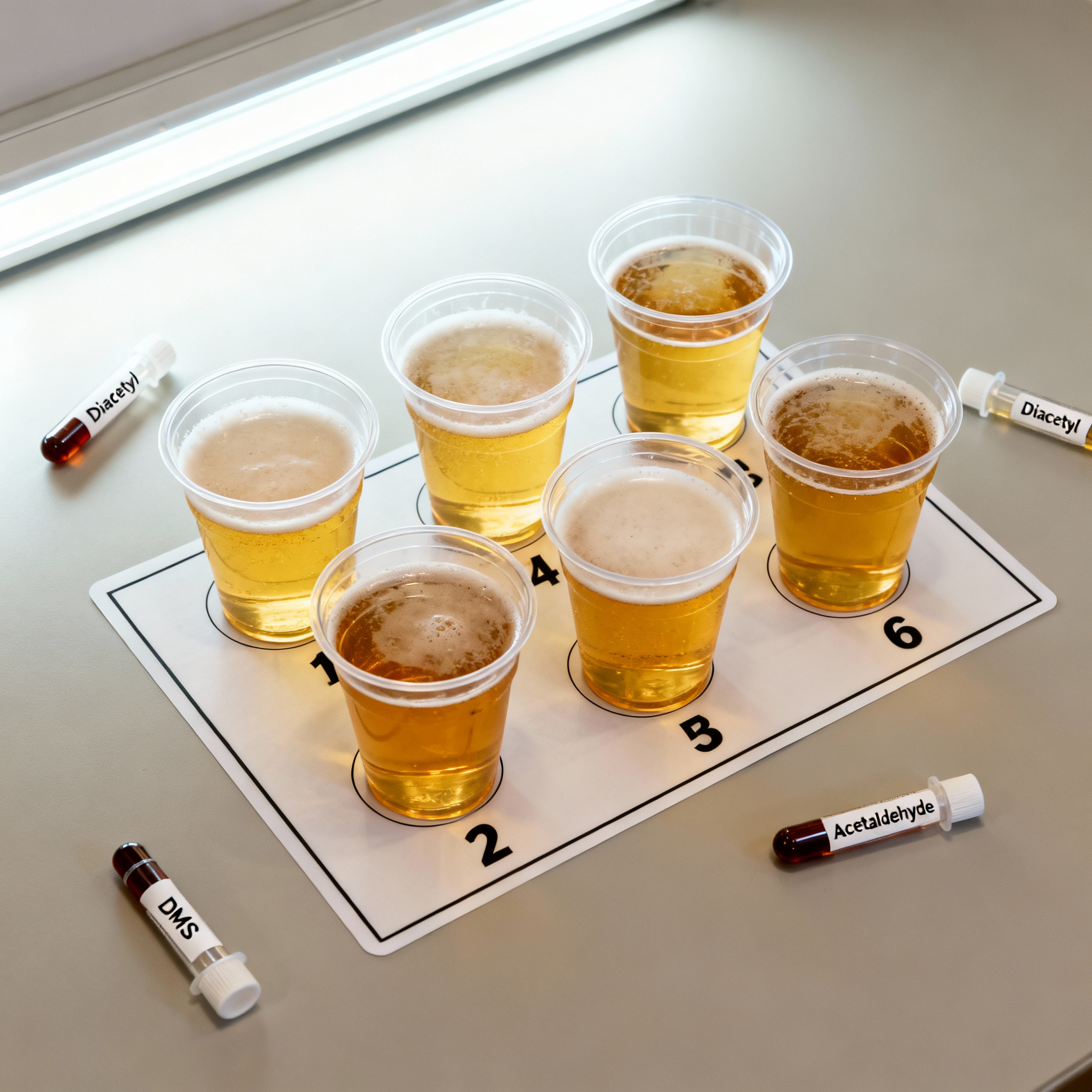
The Off-Flavor Emergency Room: DMS, Diacetyl, and Acetaldehyde.
I used to think that “funky” was a compliment in brewing. Then I served a batch of my flagship lager to a judge from the Beer Judge Certification Program (BJCP), and he told me it tasted like canned corn and movie theater popcorn.
He wasn’t being poetic; he was diagnosing DMS and diacetyl. That experience taught me that most off-flavors aren’t mysteries of the universe-they are specific chemical failures.
In the industrial food world, we didn’t “pray” for clean batches. We monitored the precursors and controlled the environment. This guide decodes the science behind the three most common flaws so you can fix them in the garage lab.
DMS (Dimethyl Sulfide): The Cooked Corn Culprit
DMS is the compound responsible for the aroma of cooked corn, celery, or shellfish. In a pale lager, it is a significant flaw that masks the delicate malt and hop profile.
The precursor to DMS is a compound called S-methylmethionine (SMM), which is created during the malting of barley. SMM is converted into DMS during the boil, but if the boil isn’t vigorous enough, the DMS stays trapped in the wort.
Because DMS is highly volatile, it can be easily driven off through steam. This is why a vigorous, 60 to 90-minute open boil is non-negotiable for pilsner-based beers.
S-methylmethionine (SMM) is a heat-labile amino acid. When wort is heated above 140°F, SMM begins to degrade into Dimethyl Sulfide (DMS). If you do not maintain a vigorous boil with the lid off, this gas will condense and drip back into your beer.
Another common mistake is cooling the wort too slowly. DMS continues to form as long as the wort is hot, but it can no longer escape once the boil has stopped.
Always chill your wort to below 80°F as rapidly as possible. A slow “no-chill” method in a plastic cube can allow DMS levels to double after the boil has ended.
Diacetyl: The Popcorn Problem
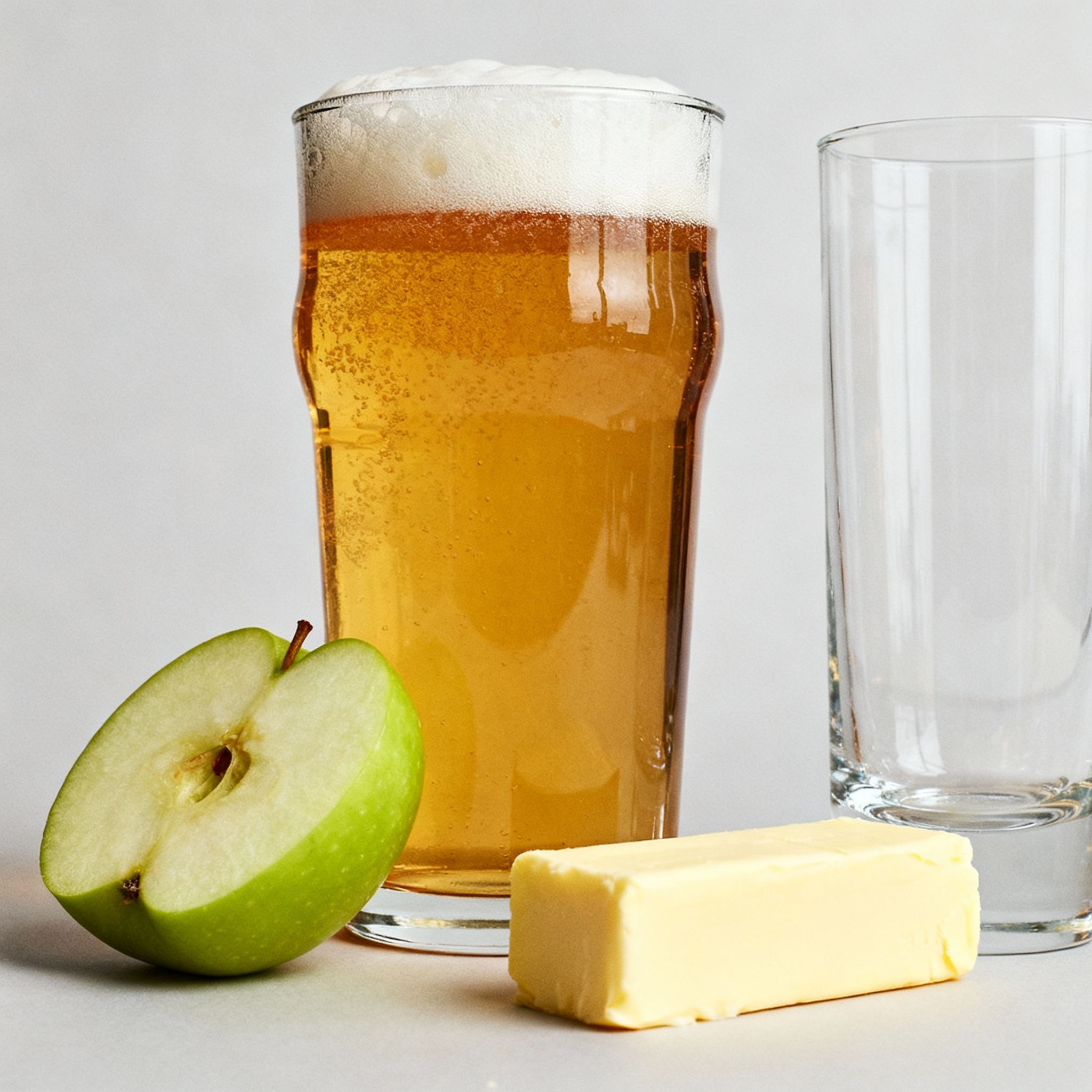
Diacetyl is a vicinal diketone (VDK) that tastes like artificial butter or butterscotch. It also creates a distinct “slick” or oily mouthfeel on the tongue.
During the early stages of fermentation, yeast naturally produce a precursor called alpha-acetolactate. This compound leaks out of the yeast cells and oxidizes into diacetyl in the fermenting beer.
Toward the end of fermentation, healthy yeast will actually re-absorb the diacetyl and convert it into flavorless compounds. If you crash the temperature too early, the yeast go dormant before they can finish the cleanup.
To ensure full re-absorption, perform a “diacetyl rest”, a technique measuring VDKs via the ASBC Diacetyl analysis method, by raising the temperature of your lager to 65°F-68°F when it is within 2-4 gravity points of its final target. This boosts yeast metabolism, allowing them to rapidly process the remaining VDKs.
Acetaldehyde: The Green Apple Aftermath
Acetaldehyde is an intermediate compound in the production of ethanol. It tastes like green apples, latex paint, or “cidery” sweetness.
In a young or “green” beer, acetaldehyde is common because the yeast haven’t finished converting it into alcohol. Given enough time and healthy yeast counts, this flavor usually fades during conditioning.
However, if you detect acetaldehyde in a finished, packaged beer, it is often a sign of oxidation. Ethanol can be oxidized back into acetaldehyde if too much oxygen is introduced during bottling or kegging.
If your beer tastes like a Granny Smith apple, leave it on the yeast for another 3-5 days. If the flavor persists after three weeks of conditioning, audit your cold-side oxygen exposure for leaks in your transfer lines.
| Off-Flavor | Sensory Profile | Primary Cause | Solution |
|---|---|---|---|
| DMS | Cooked Corn | Weak boil / Slow chill | Open boil / Rapid chill |
| Diacetyl | Butter / Slickness | Early yeast removal | Diacetyl rest (65°F+) |
| Acetaldehyde | Green Apple | Young beer / Oxygen | Extra aging / CO2 purge |
Conclusion
Off-flavors are the data points of a failed process. They aren’t signs of “character”; they are invitations to improve your technique.
By understanding the chemical precursors like S-methylmethionine, you can move from reactive brewing to proactive control, a core tenet of the Master Brewers Association. Don’t dump a flawed batch until you’ve diagnosed the cause and learned how to prevent it.
The lab is about iteration. Every “buttery” batch is just a lesson you haven’t fully documented yet.
References
- Meilgaard, M. “Sensory Evaluation of Beer Off-Flavors.” ASBC Methods of Analysis.
- Fix, G. Principles of Brewing Science. Brewers Publications.
- White, C. Yeast: The Practical Guide to Beer Fermentation.