From Dregs to Dressing: The Master Guide to Brewing Vinegar.
I used to pour leftover beer down the sink until I discovered that a flat growler left on the counter could transform into high-quality vinegar. That accident changed how I think about fermentation.
Acetobacter bacteria, the bacteria that ruins beer, is actually a master architect that can turn “vin aigre” (sour wine) into a prized culinary staple. Most people treat vinegar as a cheap commodity, but it is a living, breathing fermentation product.
You don’t need a brewery to make vinegar; you need patience, oxygen, and a little bit of science. This guide covers turning malt, wine, and fruit scraps into artisan dressings while ensuring your “mother” stays healthy.
Malt Vinegar: The Brewer’s Pivot
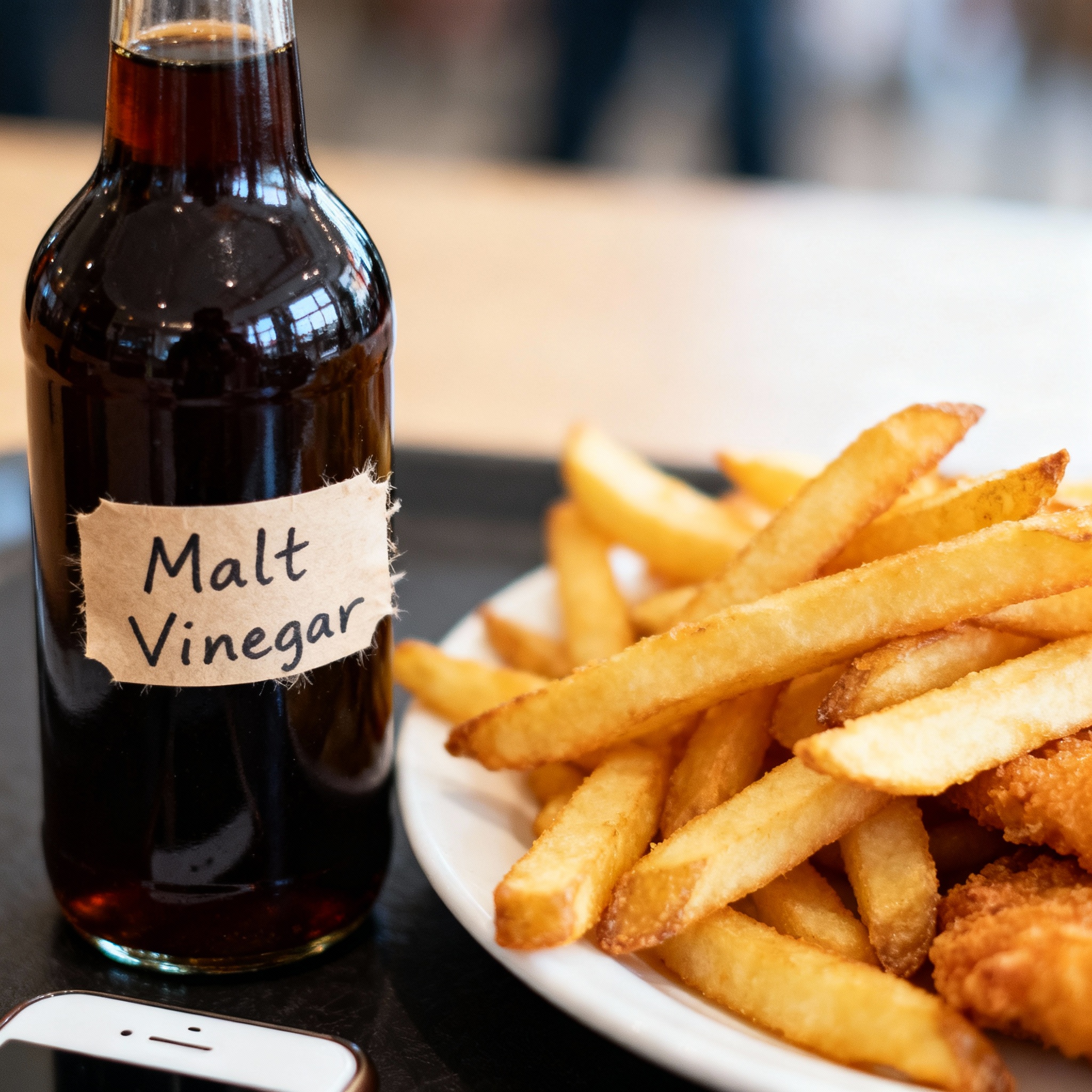
Malt vinegar is the sharp, malty companion to British fish and chips, and it is the perfect use for a homebrew batch that didn’t carbonate correctly. Acetobacter works best when the alcohol content is between 5% and 10%, so always dilute high-gravity beers to around 6% ABV.
Pour your beer into a wide-mouth glass jar to maximize surface area, as Acetobacter requires oxygen to convert ethanol into acetic acid. Adding oak chips is an optional but powerful move that adds tannins and woody complexity to the final profile.
Inoculate your beer with unpasteurized vinegar (like Bragg’s) or a mother from a previous batch to speed up the colonization. Cover the jar with a breathable cloth and place it in a warm spot (70-85°F) for four to eight weeks.
The chemical process of vinegar production is an aerobic oxidation. The bacteria convert ethanol and oxygen into acetic acid and water, a process that requires a constant supply of atmospheric oxygen.
If your malt vinegar tastes too harsh, let it age for another month in the bottle. Acetic acid mellows over time, allowing the complex grain flavors to integrate and smooth out.
Red Wine Vinegar: The Solera Method
I maintain a red wine vinegar solera that has been running for three years. Instead of pouring out half-finished bottles, I dump them into a large glass jar with a spigot.
The key to a solera is continuity: you never empty the jar completely. By leaving at least a third of the liquid, the established “mother” and bacteria population “teach” the new wine how to ferment.
Pull vinegar from the spigot whenever you need it and replace the volume with fresh wine. This creates a complex, layered flavor that reflects every bottle ever added to the system-from Malbec to Chianti.
If the vinegar starts tasting thin, the alcohol content has likely dropped too low. Add a fresh bottle of wine to provide the bacteria with the fuel they need to keep producing acid.
Fruit Scrap Vinegar: Zero-Waste Fermentation
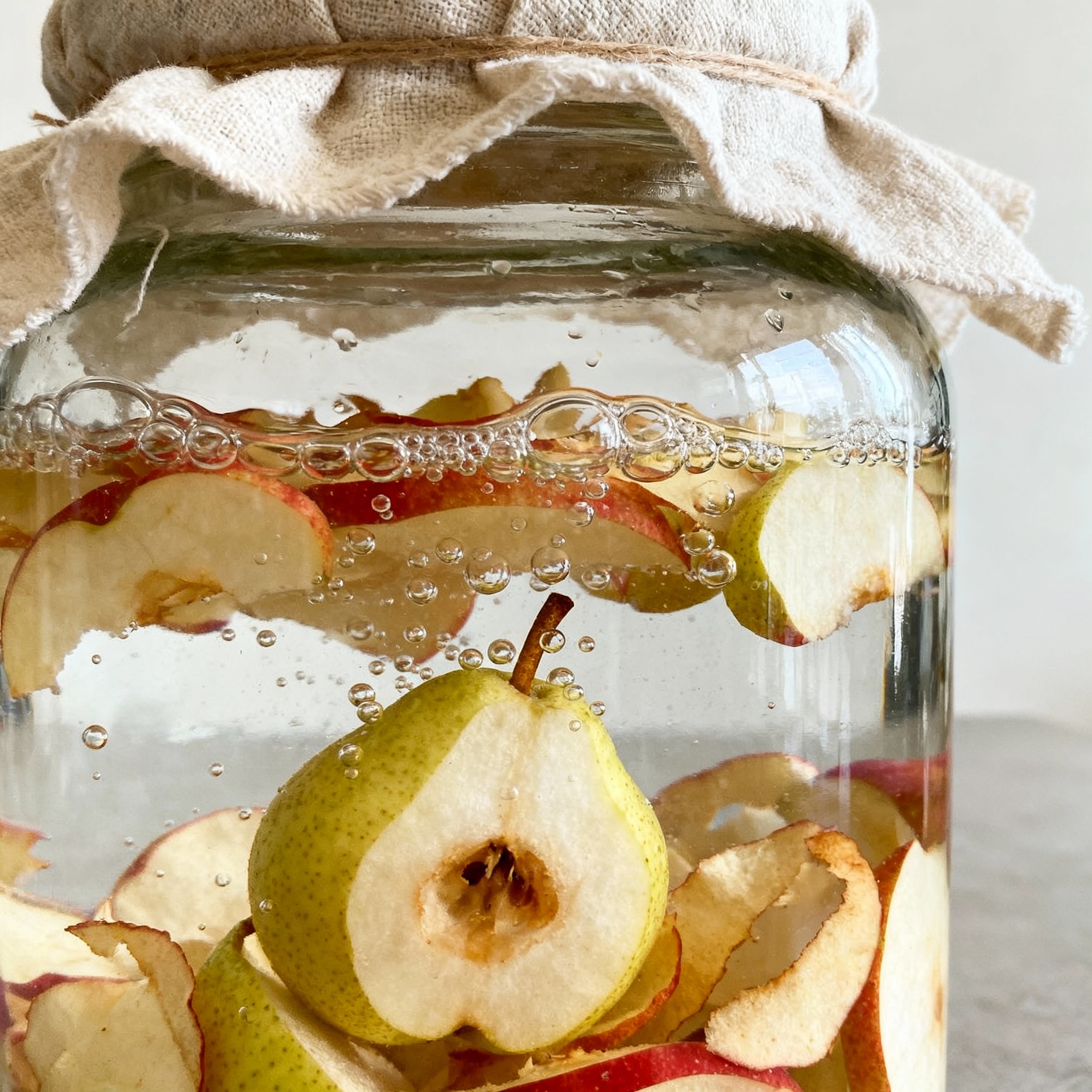
Fruit scrap vinegar is the ultimate kitchen hack for apple peels and pear cores. It is a two-step process: first, wild yeast ferments the fruit sugars into alcohol, and then Acetobacter takes over to create vinegar.
Fill a jar halfway with scraps, cover them with water, and add one tablespoon of sugar per cup of water to boost the yeast. Stir the jar daily for one to two weeks to prevent mold while the wild yeast creates a “hard” fruit cider.
Once the liquid smells boozy, strain out the solids and let the liquid sit for another four to six weeks with a breathable cover. The final product is a fruity, funky vinegar that is far more flavorful than store-bought apple cider vinegar.
The Mother: Identifying Health vs. Spoilage
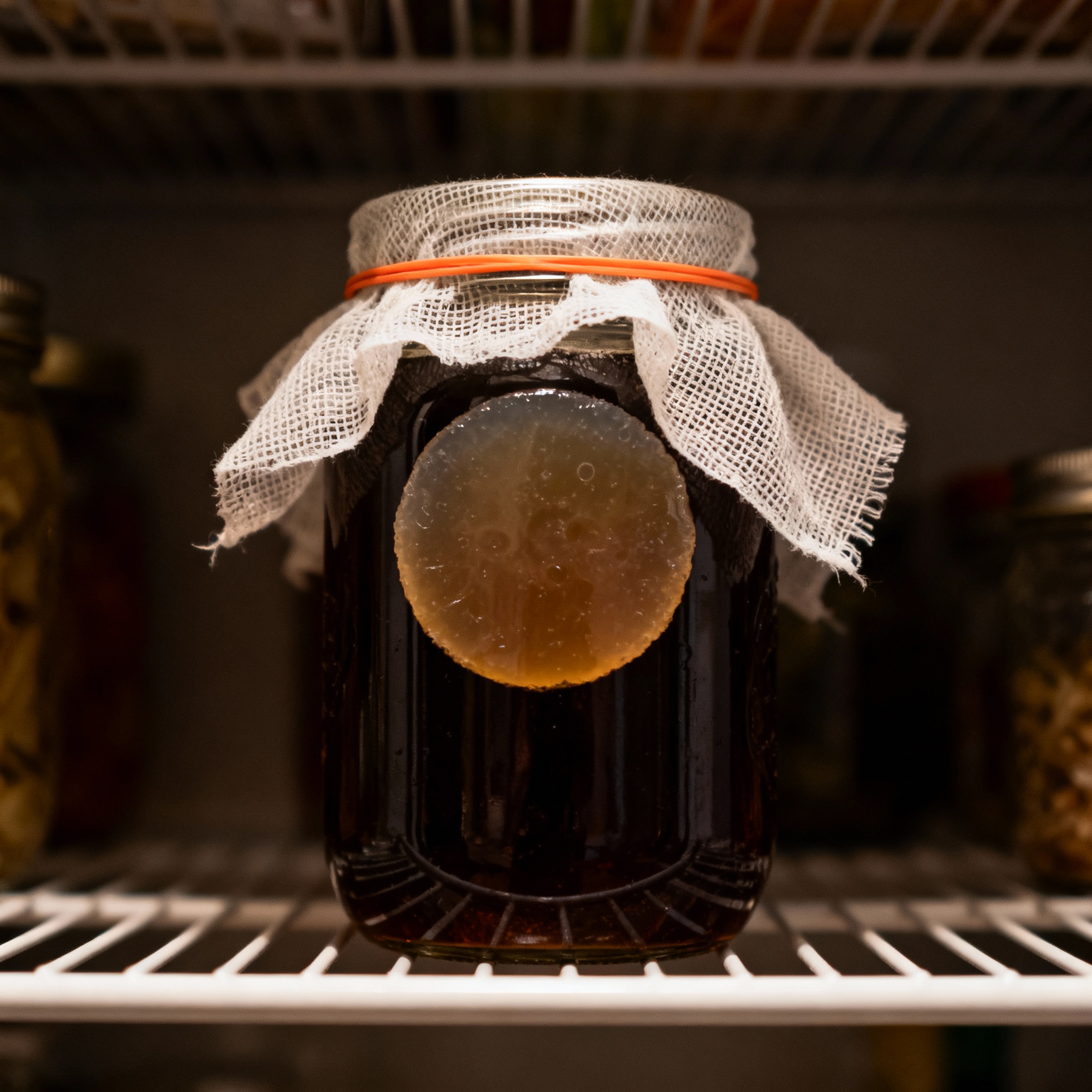
The vinegar mother is a SCOBY (Symbiotic Culture of Bacteria and Yeast) made of cellulose. A healthy mother is smooth, beige, and slippery to the touch, often appearing as a translucent disc on the surface.
Mold is the primary enemy and is easily identified by its fuzzy, colorful (green, blue, or black) appearance. If you see fuzz, the batch is compromised; mold has microscopic roots that contaminate the entire liquid.
Acetobacter xylinum is the primary bacterium responsible for synthesizing the cellulose mat known as the “mother.” This structure serves to keep the aerobic bacteria at the liquid-air interface where oxygen levels are highest.
You can store a “spare” mother in a jar of finished vinegar in the fridge indefinitely. This “mother hotel” ensures you always have a backup if a batch develops mold.
Pasteurization: Stopping the Process
Vinegar fermentation doesn’t stop on its own; if left too long with oxygen, the bacteria will eventually consume the acetic acid itself, making the vinegar taste flat. Pasteurization kills the bacteria to stabilize the flavor.
Heat the finished vinegar in a stainless steel pot to 150°F and hold it for 10 minutes. This is high enough to kill the Acetobacter but low enough to prevent driving off the volatile aromatic acids that provide the “zip” in your vinegar.
| Vinegar Type | Alcohol Base | Time | Best Use |
|---|---|---|---|
| Malt | Beer (~6% ABV) | 4-8 Weeks | Fish & Chips, Pickling |
| Red Wine | Leftover Wine | 4-6 Weeks | Reductions, Dressings |
| Fruit Scrap | Fruit + Sugar Water | 6-8 Weeks | Vinaigrettes, Marinades |
Conclusion
Vinegar is proof that fermentation doesn’t have to be precious. It is a robust, ancient process that turns waste into a culinary asset. Whether you’re reclaiming a failed beer or using up apple cores, the results are artisanal and deeply satisfying.
Measure your pH with strips to ensure you are in the 2.5 to 3.5 range for safety. Once you start a solera or a mother hotel, you’ll never look at a half-finished drink the same way again.
References
- Katz, Sandor Ellix. The Art of Fermentation. Chelsea Green Publishing, 2012.
- McGee, Harold. On Food and Cooking. Scribner, 2004.
- UC Davis Viticulture & Enology. “Acetic Acid Bacteria.”