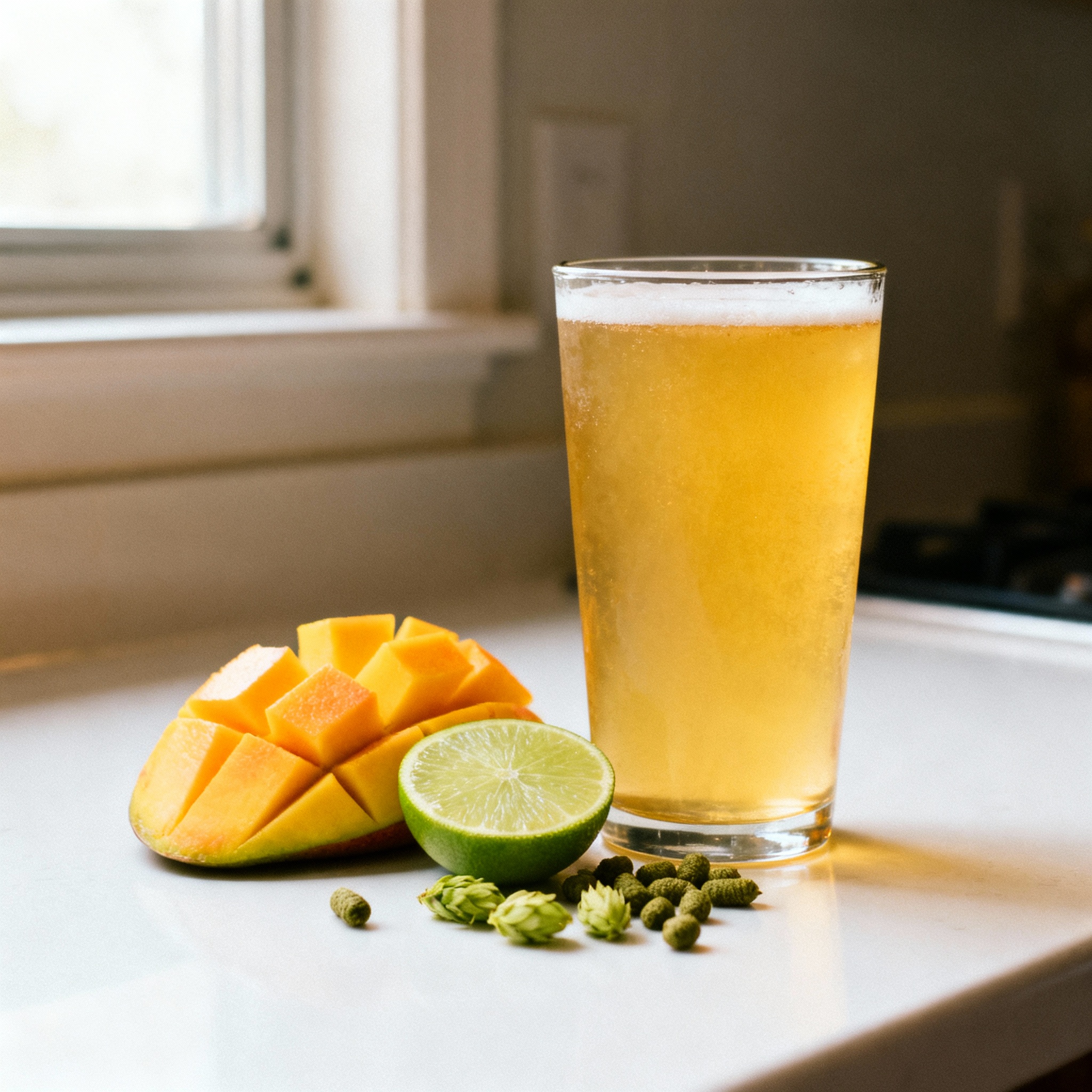
The Holy Trinity of Haze: Citra, Mosaic, and Galaxy.
I still remember the first time I tasted a properly hopped New England IPA in 2016. The aroma hit me like a bag of crushed mangoes mixed with orange sherbet.
It was a complete departure from the piney, resinous American IPA style beers I had been brewing for years. That beer changed how I thought about hops and shifted my focus to pure, sticky fruit.
Citra, Mosaic, and Galaxy became the foundation of almost every hazy IPA I have brewed since. They are the holy trinity of the haze craze, and understanding them is the key to that tropical vacation in a can.
If you want to understand why your favorite NEIPA tastes like juice, focus on these three hops. They are the backbone of the style and prioritize aroma over harsh bitterness.
The Shift to Tropical Fruit
Before 2010, American craft brewing relied on Cascade, Chinook, and Columbus for citrus peel and pine sap. These hops were perfect for clear West Coast IPAs with a sharp, dry finish.
Around the early 2010s, brewers began adding hops late in the boil or during fermentation to preserve volatile oils. This dry-hopping technique created intense fruit flavors without the scratchy bitterness of older styles.
Hop breeders supported this shift by releasing fruit bombs like Citra® Brand in 2008 and Mosaic in 2012. These hops don’t just smell like citrus; they smell like mango, passionfruit, and blueberry.
Citra: The King of Tropics
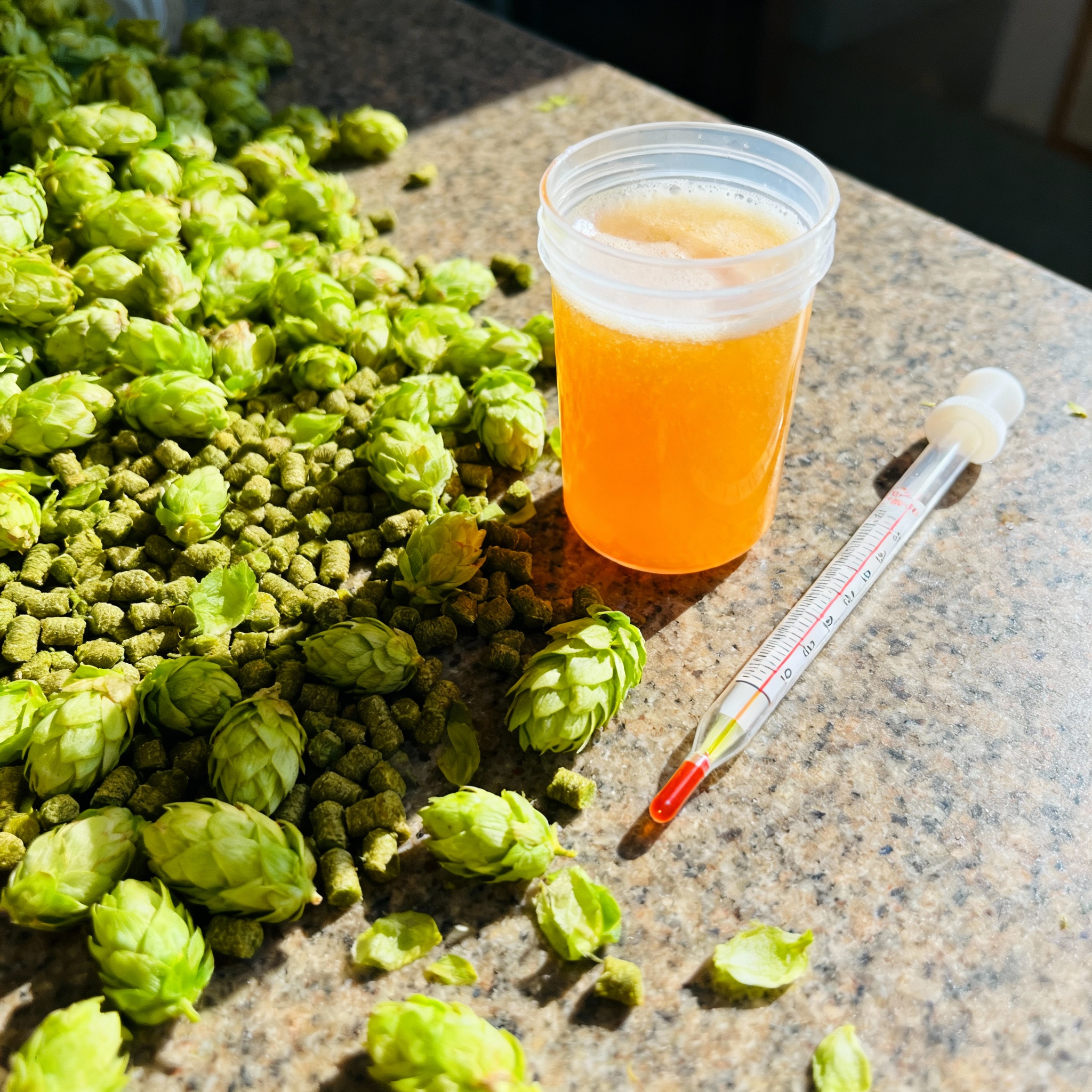
Yakima Chief Hops reports that Citra is the most widely planted modern craft hop in the United States for good reason. It delivers a bright, juicy character defined by mango, lime zest, and lychee.
It is incredibly versatile, working as a single hop or a tropical backbone in complex blends. In my experience, Citra plays well with almost every other hop variety in the lineup.
The reason Citra dominated the market is its perfect balance between intensity and drinkability. It is punchy enough to satisfy hop-heads but soft enough to win over those who usually avoid IPAs.
Citra is loaded with myrcene, linalool, and geraniol. Myrcene provides the heavy mango notes, linalool adds floral citrus, and geraniol brings in lychee and stone fruit highlights.
Oxygen is the primary enemy of Citra’s high-oil content, which can turn grassy if the beer sits too long. I have noticed that Citra IPAs lose their tropical punch after just three weeks in the keg.
Add your Citra dry hops during active fermentation, around day 2 or 3. The yeast will biotransform the hop oils into thiols, which significantly amplifies the tropical fruit intensity.
Mosaic: The Complex Artist
If Citra is the crowd-pleaser, Mosaic is the complex artist. It offers layers of blueberry, tangerine, apricot, and even a hint of rose-like floral character.
In a single-hop beer, Mosaic can taste like a full fruit salad. In a blend, it adds a necessary depth that keeps the beer from feeling one-dimensional.
However, Mosaic has a potential “dark side” where it can develop savory notes of onion or garlic. This usually happens if the hops are harvested too late or stored in warm conditions.
The onion character in Mosaic is tied to polyfunctional thiols. According to Oregon State University research, these sulfur-containing compounds smell savory rather than fruity if picked past peak ripeness.
I recommend splitting your Mosaic additions between the whirlpool and the dry hop. Whirlpooling at 170°F pulls out stone fruit and floral notes, while dry hopping emphasizes the signature blueberry character.
Store your Mosaic in the freezer and use it within six months. Fresh Mosaic is a totally different beast compared to bags that have aged and turned grassy.
Galaxy: The Australian Punch
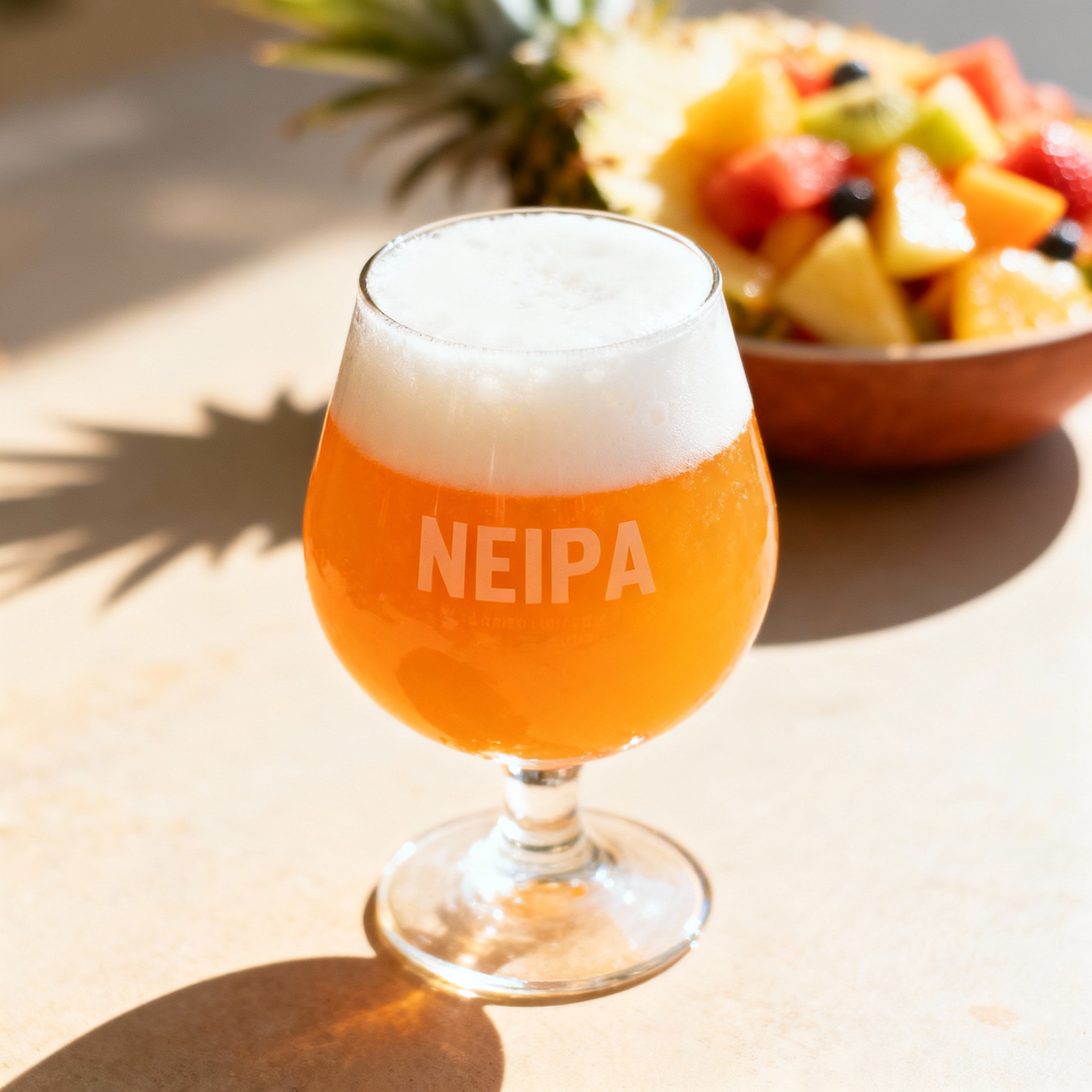
Galaxy is the wild card of the trinity, an Australian hop that exploded in popularity during the 2010s. It smells like passionfruit, peach, and a distinct hint of dank, earthy funk.
It is louder than both Citra and Mosaic, and it can easily dominate a beer if you aren’t careful. When used correctly, however, it provides a magical passionfruit punch that is hard to replicate.
The challenge with Galaxy is the high price and the logistical difficulty of shipping it from the Southern Hemisphere. Freshness timing is critical because Australian harvests occur during the American spring.
Galaxy contains high levels of 3-mercaptohexanol (3MH) and 3-mercaptohexyl acetate (3MHA). These are the same potent thiols that give Sauvignon Blanc wine its iconic tropical fruit aroma.
I have found that Galaxy works best as an accent hop rather than a 100% solo variety. Using it as 20% to 30% of a blend provides that passionfruit edge without overwhelming the other hop profiles.
Try a blend of 40% Citra, 30% Mosaic, and 30% Galaxy. This ratio provides the best of all worlds: tropical juice, berry complexity, and passionfruit punch.
Biotransformation Potential
Biotransformation is the process where yeast enzymes convert hop compounds into new, more aromatic molecules. The “Holy Trinity” hops are particularly well-suited for this process due to their high levels of glycosides.
When you add hops during active fermentation, yeast produce enzymes that release free thiols and esters. This results in a beer that tastes noticeably juicier and more tropical than standard dry-hopping.
I ran side-by-side batches and confirmed that early dry hopping on day 2 led to much higher fruit intensity. Waiting until day 7 provided a good aroma but lacked the deep, biotransformed “juice” character.
Yeast strains like London Ale III or Vermont Ale are specifically effective at cleaving sugar molecules from hop glycosides. This releases aromatic compounds that would otherwise remain scentless and trapped in the wort.
Dry Hopping Usage Rates
Many homebrewers associated with the AHA believe more is always better, but research suggests a “saturation point” for dry hopping. This point is approximately 8 grams per liter of beer.
Exceeding this 8g/L limit often leads to diminishing returns and potential off-flavors. Excess hop particulates can contribute to a harsh, scratchy finish and increase the risk of “hop creep.”
Hop creep occurs when enzymes in the hops restart fermentation, leading to overcarbonation and unwanted dryness. I prefer a balanced rate of 6 to 8 grams per liter for a smooth, commercial-quality mouthfeel.
| Dry Hop Rate | Aroma Intensity | Potential Risks |
|---|---|---|
| 2-4 g/L | Moderate | Low risk |
| 6-8 g/L | High (Optimal) | Moderate creep |
| 10-12 g/L | Saturated | High astringency |
| 14+ g/L | Diminishing | Vegetal flavors |
Conclusion
The Holy Trinity of Citra, Mosaic, and Galaxy redefined what a modern IPA can be. By focusing on tropical fruit and biotransformation, these hops moved us away from the piney bitterness of the past.
Using them effectively requires an understanding of their chemical profiles and careful management of oxygen. Whether you use them alone or in a blend, these three varieties remain the gold standard for hazy brewing.
Mastering these hops will give you the tools to create that elusive juice-bomb profile at home. Keep your hops cold, your oxygen low, and your dry-hop rates balanced for the best results.
References
- Janish, S. (2019). The New IPA: Scientific Guide to Hop Aroma and Flavor.
- Oregon State University. (2020). Hop Research and Breeding Program Data.
- University of Queensland. (2021). Chemical Analysis of Australian Hop Varieties.
- Escarpment Laboratories. (2022). Biotransformation and Yeast-Hop Interactions.
- Deschutes Brewery & OSU. (2018). Dry Hopping Rates and Aroma Saturation Studies.