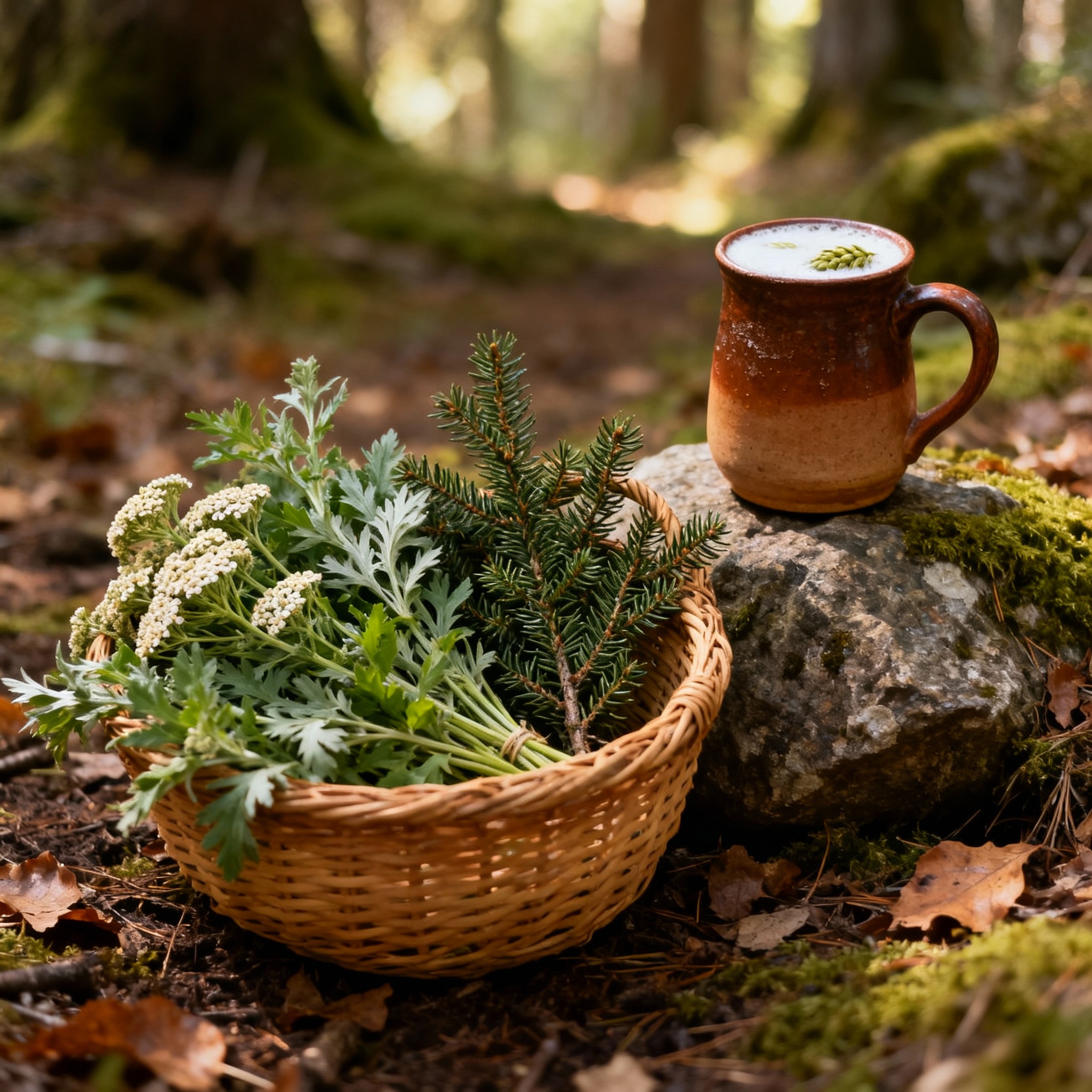
Gruit, Sahti, and Herbal Ales: Brewing Beer Like It's 1387
I once asked a homebrewer what he thought beer tasted like before hops, and he said, “Probably bad.” Most of us have been trained to think bitterness only comes from the floral punch of modern hops.
However, hops didn’t dominate European brewing until the 1500s. Before that, brewers used herbs, tree branches, and swamp plants to balance sweetness and prevent spoilage.
I didn’t believe this until I brewed my first sahti. I laid juniper branches across a bucket, poured hot wort through them, and pitched grocery store baker’s yeast.
Three days later, I had a beer that tasted like banana bread soaked in pine resin. It was strange, ancient, and absolutely alive.
This guide is about brewing before the hop monopoly. You will learn how to make sahti, how to use medieval gruit blends, and how to forage botanicals without poisoning yourself.
The Nordic Tradition: Sahti and the Juniper Filter Bed
Sahti is a Finnish farmhouse ale brewed the same way for centuries. It ignores hops and commercial brewer’s yeast in favor of juniper branches and farmstead fermentation.
The branches act as a natural filter bed during the lauter. This process infuses the wort with resinous, piney flavors that provide the primary “bitterness” of the style.
For a five-gallon batch, a four-to-six-inch layer of loosely packed branches is the technical sweet spot. Using too much makes the beer taste like a wreath, while too little loses the style’s defining character.
Traditionally, Finnish brewers used whatever yeast was available, often bread yeast. Baker’s yeast (Saccharomyces cerevisiae) ferments rapidly and produces massive amounts of banana and clove esters at warm temperatures.
When fermented at 75-80°F, baker’s yeast shifts its metabolic focus toward the production of isoamyl acetate. This results in the heavy banana-bread profile that characterizes traditional Sahti, distinguishing it from clean modern lagers.
I pitch one packet of active dry baker’s yeast and the beer is often drinkable in three to five days. It does not age well; you drink it fresh at cellar temperature.
If you cannot find juniper branches, you can use one ounce of crushed juniper berries in the boil. Do not substitute cedar or pine, as they contain volatile oils that can be toxic in high concentrations.
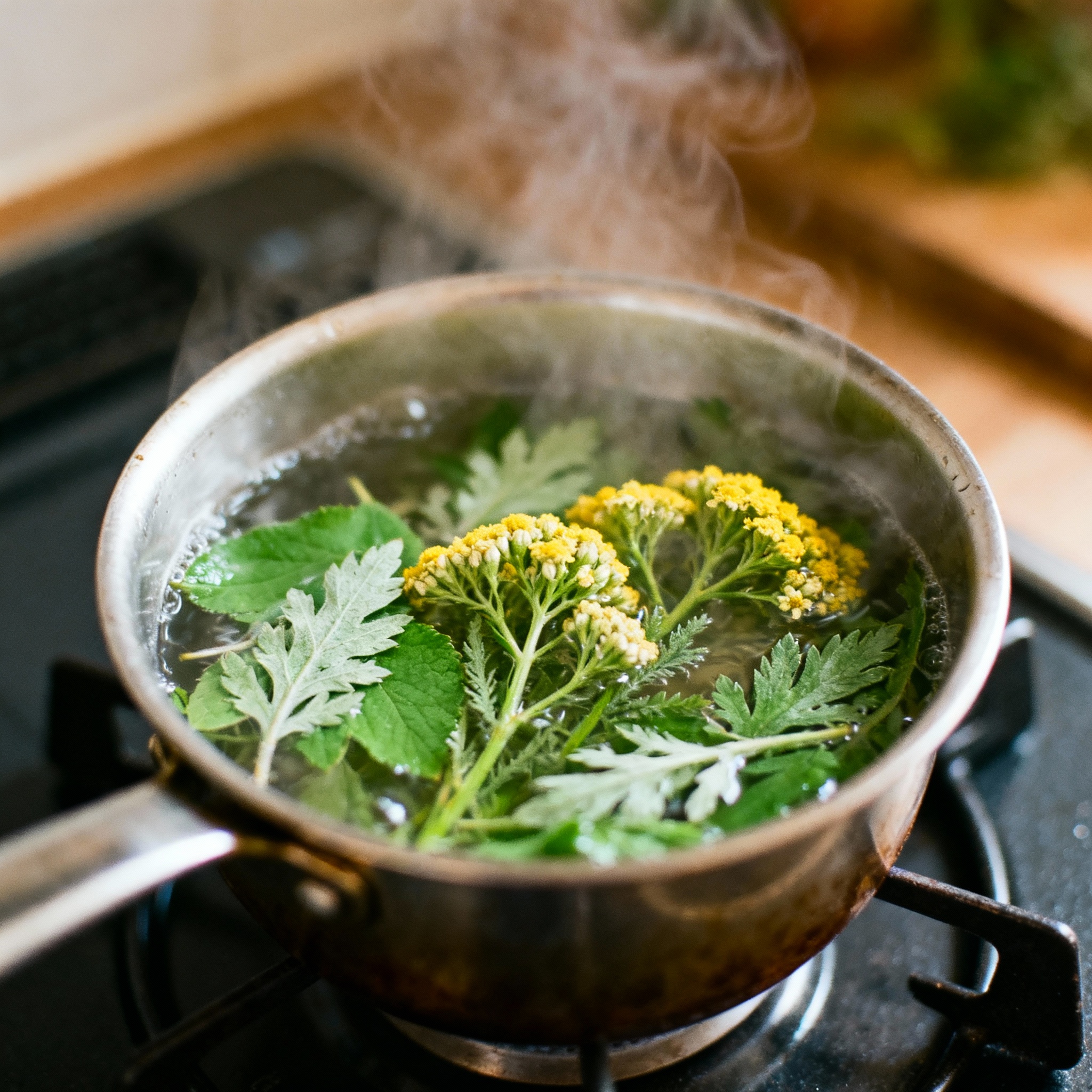
The Bittering Trio: Yarrow, Mugwort, and Marsh Rosemary
Before hops, brewers used a blend called gruit. The most common plants were yarrow, mugwort, and marsh rosemary (bog myrtle), which provided aroma and mild preservation.
Yarrow offers a floral, medicinal bitterness similar to chamomile. Mugwort is more assertive, tasting green and earthy with a faint lingering sweetness.
Marsh rosemary is the powerhouse of the blend. It is intensely aromatic and minty, with a bitterness that can easily become overpowering if not dosed correctly.
Unlike hops, gruit herbs do not contain alpha acids that isomerize for bitterness. Instead, they rely on alkaloids and sesquiterpene lactones, which provide a “rounder” bitterness that lacks the sharp, antiseptic quality of hops.
Gruit does not preserve beer like hops do. Without the antimicrobial properties of hop alpha acids, these beers often sour within a week or two.
I treat gruit batches like fresh milk. They stay in the fridge and are consumed within seven days to avoid unintended acidification from wild bacteria.
Marsh rosemary (bog myrtle) is mildly narcotic and psychotropic in large amounts. Do not exceed one ounce per five gallons to avoid severe headaches or adverse reactions.
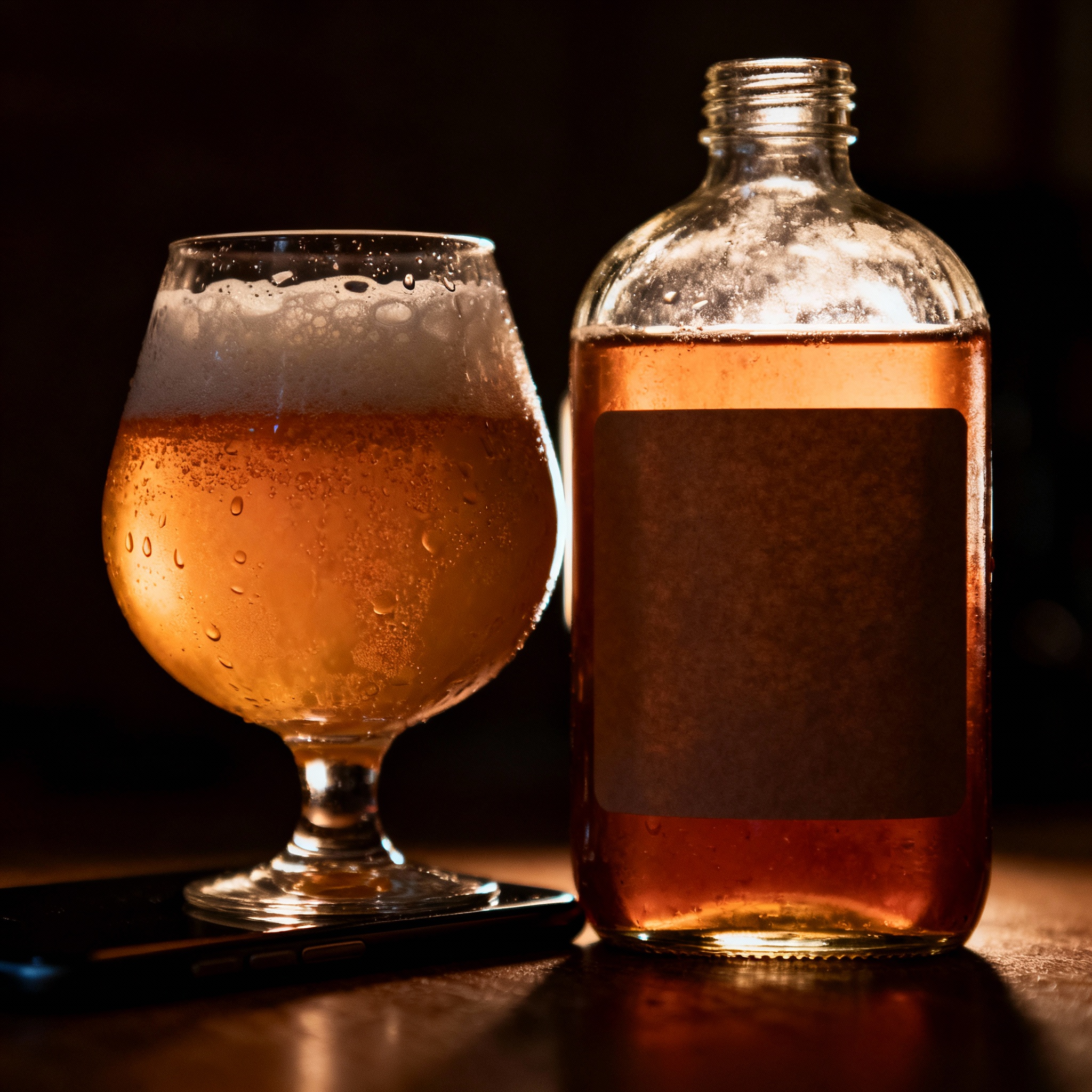
Preservative Properties: Why Hops Won
Hops took over because they work. They are antimicrobial, they stabilize foam, and they allow beer to travel without spoiling.
A hopped IPA can sit for months, but a gruit ale starts to turn within days. Wild bacteria like Lactobacillus quickly take over gruit beers because the herbs lack the “kill switch” provided by hop resins.
Hops contain lupulin glands filled with humulones. When boiled, these become isomerized alpha acids which lower the intracellular pH of Gram-positive bacteria, effectively halting their growth.
Treat your gruit experiments as fresh products. Do not expect shelf stability unless you significantly increase the alcohol content to act as a secondary preservative.
To extend the life of a gruit, brew it as a strong ale (7-8% ABV). The higher ethanol concentration slows bacterial reproduction, giving you a few extra days of freshness.
Foraging Safety and Botanical Identification
Foraging for brewing botanicals is high-stakes work. Misidentifying a plant can lead to hospitalization or worse.
Yarrow (Achillea millefolium) is common but can be confused with poison hemlock. Hemlock has smooth, hairless stems with purple spots, while yarrow has fuzzy stems and no spots.
Mugwort (Artemisia vulgaris) has leaves that are dark green on top and silvery-white underneath. It smells strongly of sage.
Juniper (Juniperus communis) is a shrub with blue berries. Never confuse it with yew, which has red berries and is extremely poisonous.
Never forage near roadsides or industrial sites. These areas often harbor heavy metals or herbicide residues that can be concentrated in your wort.
Balancing Sweetness with Tannins
Hops provide the bitterness needed to cut through malt sugar. Gruit herbs are softer, meaning the beer can often taste cloying or like “liquid bread.”
The solution is to use tannins from tree bark or leaves to provide astringency. This dries out the mouthfeel, similar to over-steeped tea.
I use oak leaves or juniper bark in the boil to add structure. I also adjust the grain bill to include more pale malt and less crystal malt to ensure a drier finish.
If your herbal ale finishes too sweet, add half a cup of cooled, strong black tea to the keg. The tea tannins will provide the necessary “bite” to balance the malt.
Conclusion
Brewing gruit or sahti is an act of brewing archaeology. It reminds us that beer is tied to the land and the local seasons.
These beers are not IPA-replacements. They are strange, herbal windows into a time when brewing was dictated by the plants growing in the local meadow.
Start with a simple sahti. Use grocery store juniper and baker’s yeast. Take notes and expect it to taste like history.
| Ingredient | Amount | Notes |
|---|---|---|
| Pilsner Malt | 8 lbs | Base malt |
| Rye Malt | 2 lbs | Adds spice and body |
| Juniper Branches | 4-6 inches | Fresh filter bed |
| Baker’s Yeast | 1 packet (7g) | Active dry bread yeast |
| Mash Temp | 152°F | 60-minute infusion |
| Boil Time | 30-60 min | Juniper added to filter |
References
- Buhner, S. H. (1998). Sacred and Herbal Healing Beers. Brewers Publications.
- Garshol, L. M. (2020). Historical Brewing Techniques. Brewers Publications.
- LaPensée, Clive. The Historical Companion to House-Brewing. Montagud Editores, 1990.
- Oregon State University. Juniperus communis and Toxicity. OSU Extension Service, 2021.