Sour Styles: Gose, Berliner Weisse, and Flanders Red
I ruined my first sour beer by leaving it in a plastic bucket for eight months. The plan was a quick kettle sour, a clean Berliner Weisse to drink by summer.
Instead, I ended up with something that smelled like a gym sock soaked in vinegar. I dumped it, blamed the lactobacillus bacteria, and swore off sours for a year.
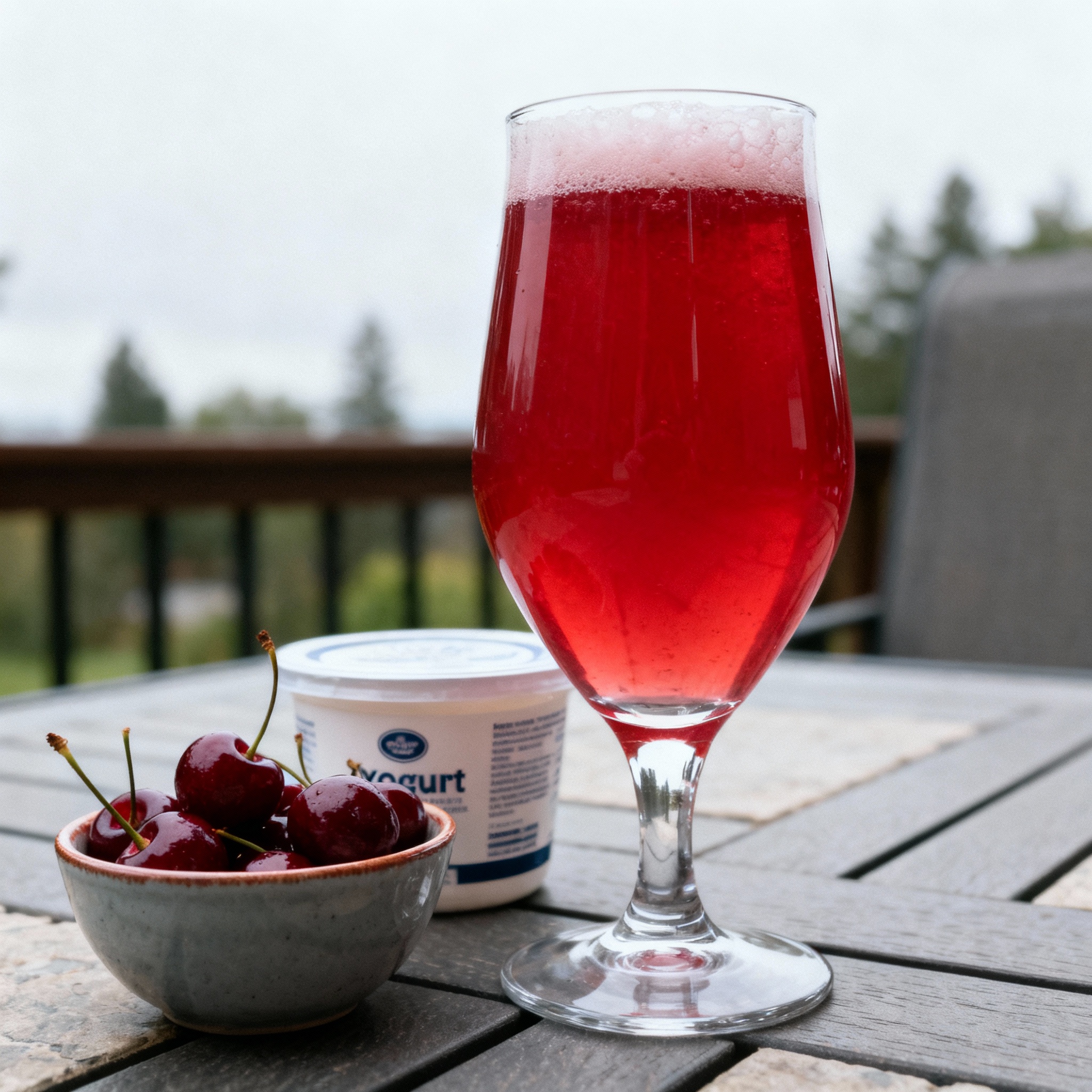
Then I tried a Flanders Red at a bottle shop in Asheville. It tasted like cherries, oak, and wine, nothing like the disaster I made.
That’s when I realized my mistake. I treated all sours like they were the same thing.
They’re not. A Berliner Weisse is a sprint, while a Flanders Red is a marathon. A Gose is somewhere in between, with salt and spices thrown in to challenge the palate.
Understanding sour beer styles is not about memorizing a recipe. It’s about knowing which bugs to invite, how long to let them work, and when to kick them out before they turn your beer into salad dressing.
Clean Sours vs. Funky Sours
There are two camps in the sour beer world. The first camp is clean sours, which rely on Lactobacillus to produce lactic acid.
The process is fast, controlled, and predictable. You pitch the bacteria, wait 24 to 48 hours, then boil the wort to kill everything off.
After that, you ferment with regular brewer’s yeast. The result is a bright, tart beer with no funk and no risk of turning into vinegar.
The second camp is funky sours. These beers use wild yeast like Brettanomyces and bacteria like Pediococcus and Acetobacter.
They take months or even years to develop. The flavor profile is complex, earthy, and sometimes polarizing, featuring notes of leather, horse blanket, and oak.
The mistake I made with my first sour was mixing the two approaches. I used Lactobacillus like it was a funky sour and let it sit in plastic.
Oxygen crept in, and Acetobacter turned the lactic acid into acetic acid. Clean sours need speed, while funky sours need time and specialized containers.
Berliner Weisse: The Clean, Low-ABV Wheat Sour
Berliner Weisse is the gateway sour. It’s light, tart, low in alcohol, and easy to drink in the summer.
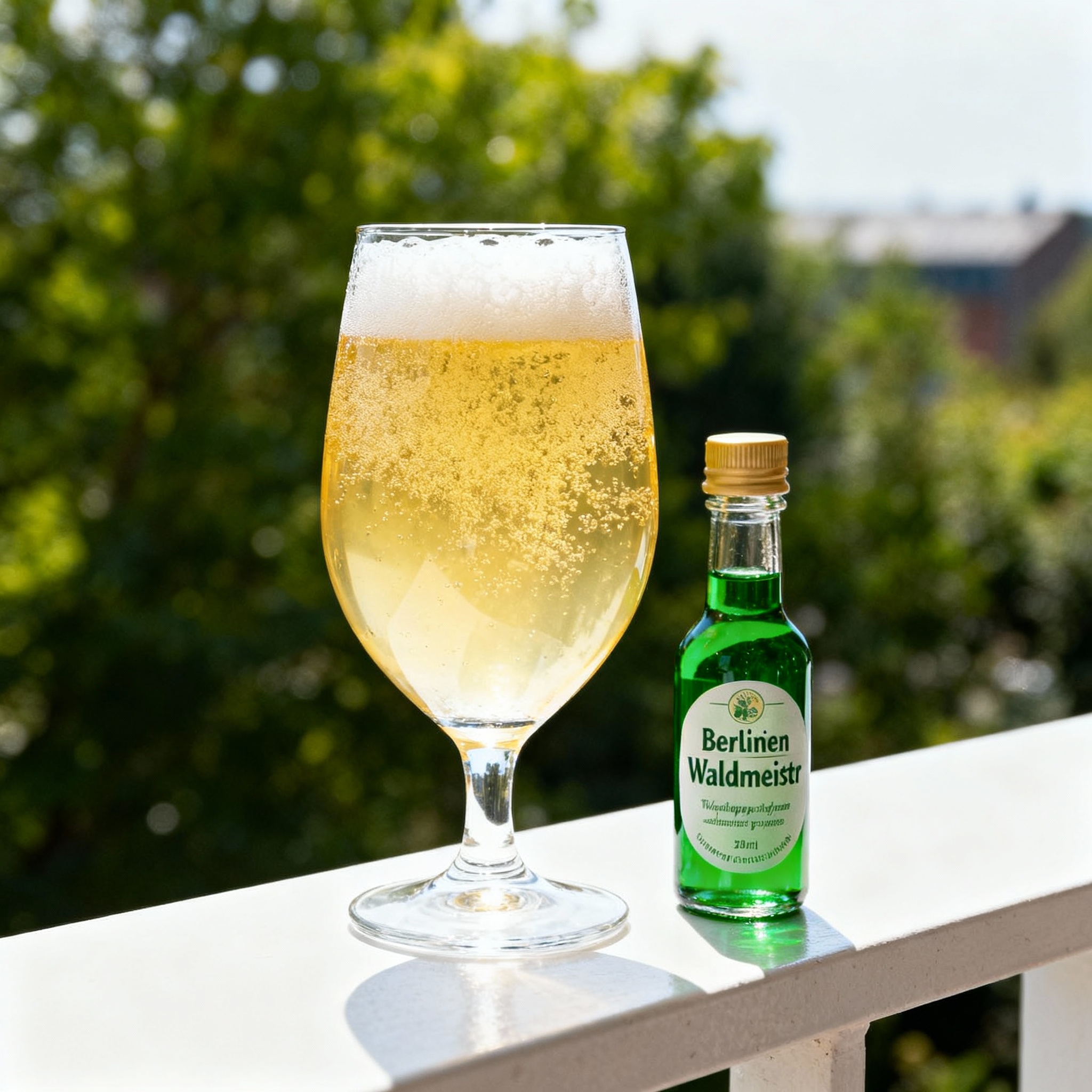
Historically, it was served with a shot of raspberry or woodruff syrup to cut the acidity. Modern versions often lean into the tartness without needing a sugar fix.
The grain bill is simple, using 50 to 60 percent pilsner malt and 40 to 50 percent wheat malt. The wheat gives the beer a smooth, creamy mouthfeel and helps with head retention.
The kettle sour method is the cleanest way to make a Berliner. After the mash, you cool the wort to around 100°F (37°C) and pitch a pure Lactobacillus culture.
I use Lactobacillus plantarum because it’s fast and predictable. You seal the kettle to keep oxygen out, then let the bacteria drop the pH to around 3.2 to 3.5 over 24 to 48 hours.
Once you hit your target pH, you boil the wort to kill the bacteria and proceed with normal fermentation using a clean ale yeast. Hops are minimal, usually 5 IBUs or less, to avoid inhibiting the bacteria during the souring phase.
Most Lactobacillus strains are extremely sensitive to the iso-alpha acids produced by boiling hops. Even 5-10 IBUs can significantly slow or completely halt the souring process, which is why hops are usually added only after the target pH is reached and the wort is boiled.
If you want to speed up the souring, add a handful of uncrushed pilsner malt to the kettle before pitching lacto. The grain surface carries natural lacto that can kickstart the process. Just make sure you purge the headspace with CO2 to prevent oxygen from sneaking in.
Gose: The Salty, Coriander-Spiced Cousin
Gose is Berliner Weisse’s weird, salty cousin. It originated in Goslar, Germany, and the defining characteristics are a tart sourness, a noticeable saltiness, and a light herbal note from coriander.
The grain bill is similar to Berliner Weisse, with 50 percent pilsner malt and 50 percent wheat malt. The real difference is in the mineral and spice additions.
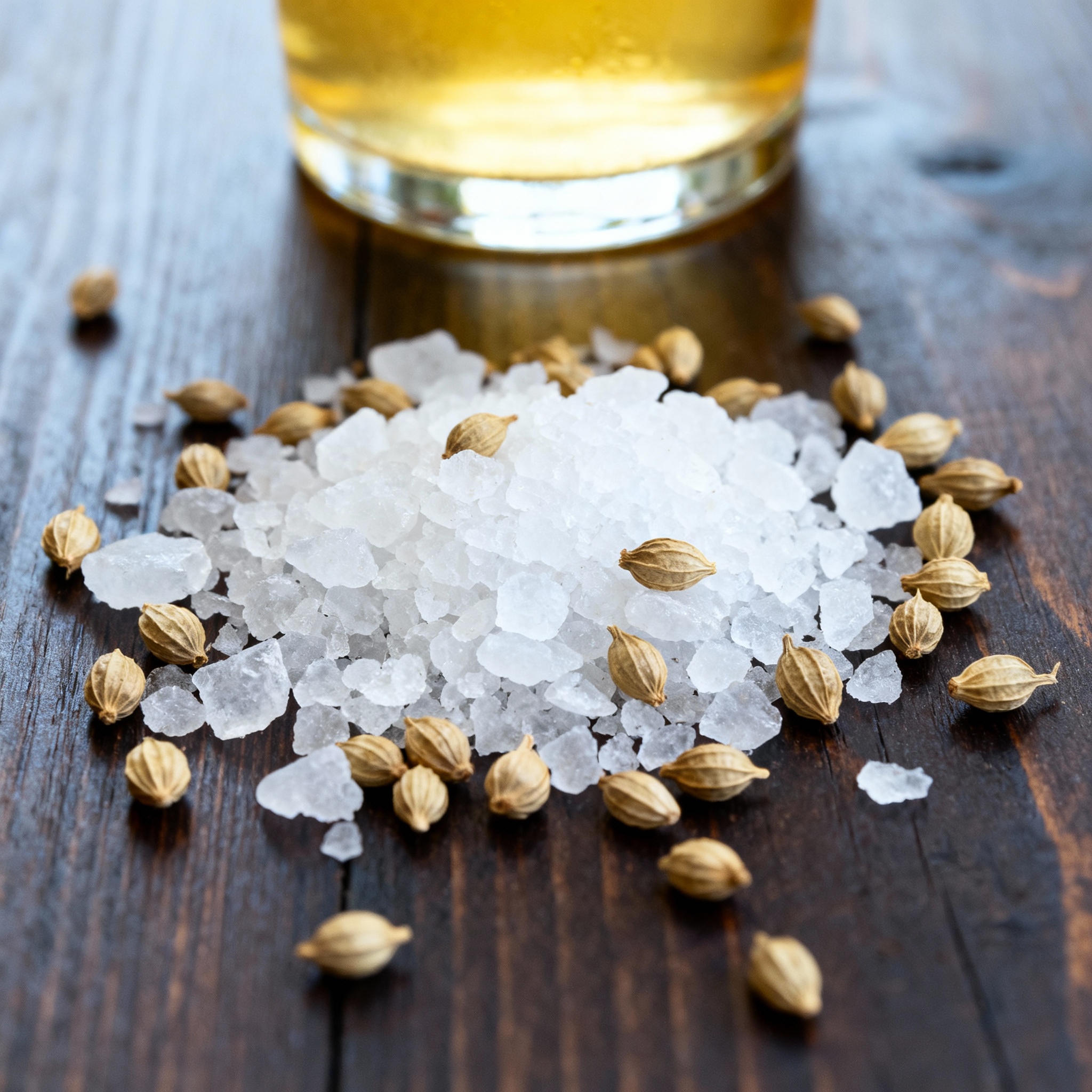
Salt is the first addition. You add sea salt or kosher salt to the boil, typically at a rate of 0.5 to 1 ounce per 5 gallons.
Coriander is the second addition, added at the end of the boil or during whirlpool. The tricky part with Gose is balancing the salt, the acid, and the spice.
If your Gose tastes too salty, add a small amount of lactose to the boil. The residual sweetness rounds out the saltiness without making the beer cloying. Start with 4 ounces per 5 gallons and taste before bottling.
Flanders Red: The “Burgundy of Belgium”
Flanders Red is the opposite of Berliner Weisse. It’s dark, complex, and takes a year or more to develop through mixed-culture fermentation and oak aging.
The base beer starts as a moderately strong amber or red ale using pilsner, Munich, and specialty malts like Special B. Hops are low, usually 10 to 15 IBUs.
The magic happens after primary fermentation when you transfer the beer to secondary and pitch a mixed culture. The most common blend contains Saccharomyces, Brettanomyces, Lactobacillus, and Pediococcus.
Aging takes at least six months, but most brewers let it go for a year or longer. Over time, the Brett adds fruity esters while the Lacto and Pedio drop the pH.
Flanders Red is unique because it requires a small amount of controlled oxygen ingress. This allows Acetobacter to produce trace amounts of acetic acid (vinegar), which reacts with ethanol to form ethyl acetate-the compound responsible for the beer’s characteristic fruity, wine-like aroma.
Taste your Flanders Red every two months during aging. Take notes on the pH, the flavor, and the aroma. If the acetic acid gets too high, blend it with a younger, fresher sour to mellow it out.
Fruiting Sours: Dosing for Acidity
Fruit and sour beer are best friends, but the acidity in sour beer masks fruit flavors, so you need to add more than you would in a regular beer.
For a Berliner Weisse or Gose, I use 1 to 2 pounds of fruit per gallon. For a Flanders Red, I go even higher, sometimes 3 pounds per gallon.
Timing matters. For clean sours, I recommend adding fruit after primary fermentation. For funky sours, I add fruit during aging to allow the Brett and bacteria to create complex esters from the fruit sugars.
If you want intense fruit flavor without haze, use freeze-dried fruit. It’s expensive, but you get pure fruit flavor without the water content or pectin. I use 4 to 6 ounces of freeze-dried raspberries per 5 gallons.
Blending: The Art of Balance
Blending is how Belgian brewers make world-class sour beers. They mix old, tart, funky beer with young, fresh beer to balance the acidity and drinkability.
The key to blending is tasting. You need to sample both beers and experiment with different ratios in small test jars before committing to a full batch.
Keep a log of your blends. Write down the ratio, the pH of each beer, and the final flavor. Over time, you’ll develop a sense of how much old beer to use to hit your target tartness.
Conclusion
Sour beer is a spectrum of patience and precision. Whether you are brewing a clean, fast Berliner Weisse or a slow, funky Flanders Red, each style requires a specific understanding of microbial behavior.
The biggest lesson I’ve learned is that control comes from measurement. I track pH, temperature, and tasting notes for every batch to ensure the “bugs” are working for me, not against me.
Sour beer is a calculated risk, but when it works, you get a complexity that simply cannot be replicated with traditional brewing methods.
References
- Tonsmeire, Michael. American Sour Beers. Brewers Publications, 2014.
- Sparrow, Jeff. Wild Brews: Beer Beyond the Influence of Brewer’s Yeast. Brewers Publications, 2005.
- University of California, Davis. “Lactobacillus in Food Fermentation.” Department of Food Science and Technology.
- White Labs. “Lactobacillus brevis Product Data Sheet.” whitelabs.com.
- Wyeast Laboratories. “Roeselare Ale Blend Specification.” wyeastlab.com.