Lager Yeasts: Traditional 34/70 vs. Modern Hybrids.
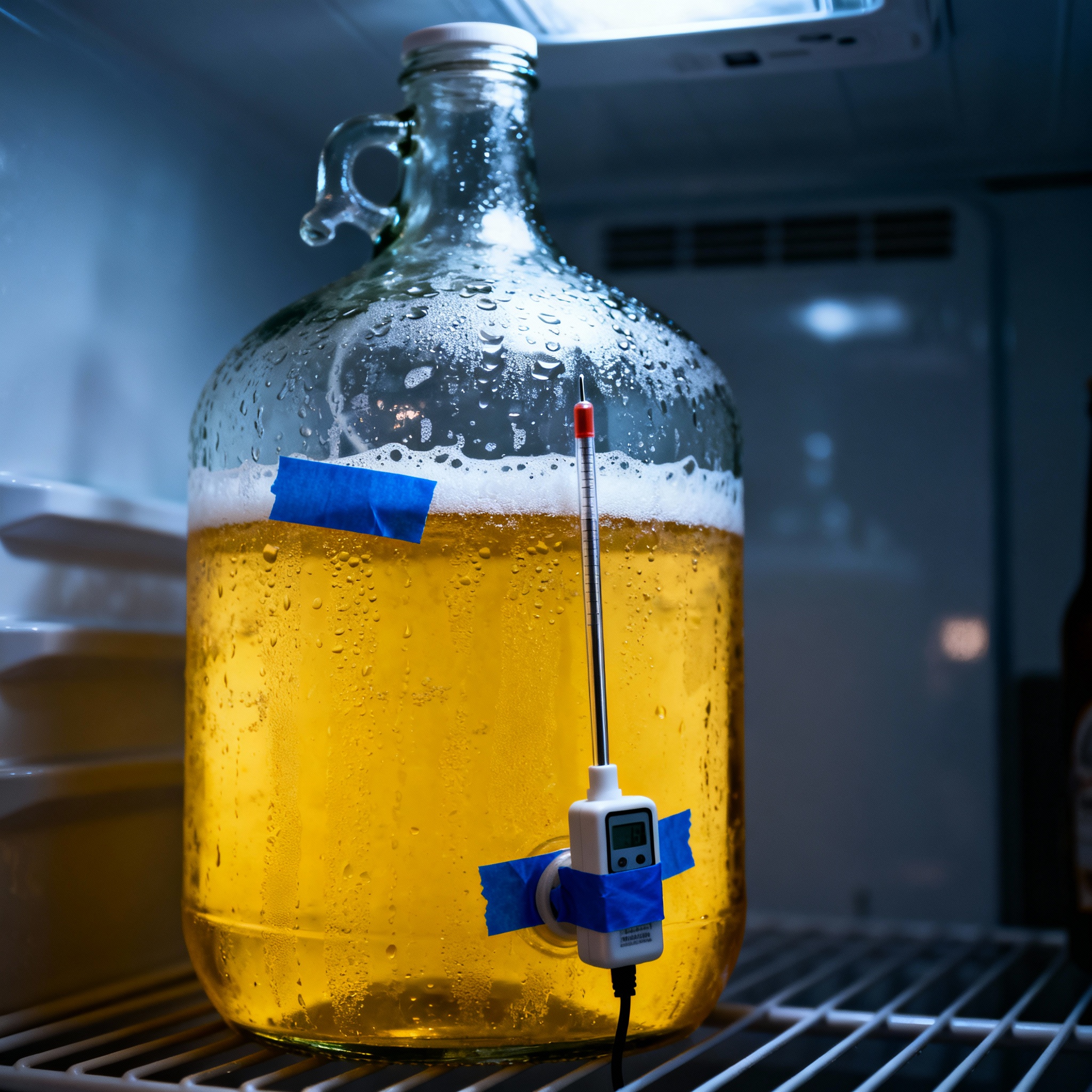
I used to think lagers were out of reach because of the strict temperature requirements. Traditional brewing manuals demanded 48°F fermentation chambers and weeks of expensive cold storage.
I wasn’t ready to drop $600 on a glycol chiller for a hobby that started in my kitchen. Then I learned that the yeast selection matters more than the fridge.
Lager yeasts have evolved quietly over the last few decades. While old stalwarts like 34/70 still dominate, newer hybrids can ferment cleanly at 60°F or even warmer.
If you lack a dedicated cooling setup, focus on selecting yeast strains with high thermal tolerance. Modern isolates can produce a crisp pilsner profile without needing a walk-in cooler.
What Is Saccharomyces pastorianus?
Lager yeast is a completely different species from ale yeast, known as Saccharomyces pastorianus. Unlike top-fermenting ale yeast, lager yeast sinks to the bottom and evolved specifically for cold environments.
It is actually a hybrid formed thousands of years ago when ale yeast crossbred with a wild species called Saccharomyces eubayanus.
Most modern strains descend from Bavarian isolates, categorized as either Saaz (malty) or Frohberg (dry) types. Understanding these families helps you predict if a beer will finish sweet or bone-dry.
The Weihenstephaner Strain (34/70)
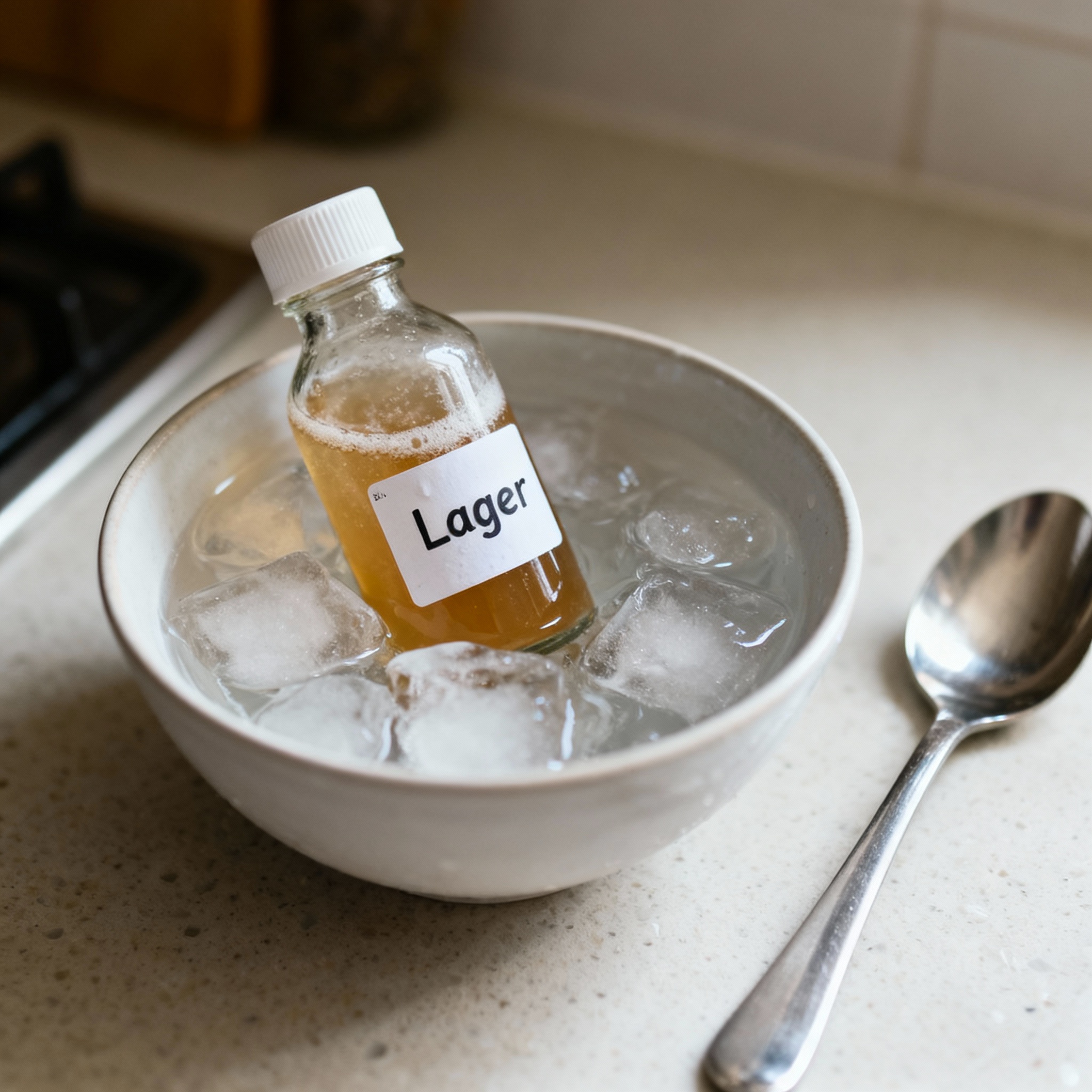
Weihenstephaner 34/70 is the definitive workhorse of the lager world. It is a Frohberg type, which means it attenuates well and produces very little sulfur compared to other strains.
This strain is incredibly forgiving for homebrewers. You can pitch it at 50°F or let it climb to 58°F during active fermentation while maintaining a clean profile.
Because it is so neutral, it allows your hops and malt to shine without competition from yeast esters. This makes it the ideal choice for pilsners, Helles, and even hoppy India Pale Lagers.
Frohberg strains like 34/70 are highly attenuative and finish very dry by consuming more complex sugars. Saaz-type strains leave more residual sugar, resulting in a fuller, maltier mouthfeel typical of traditional Bohemian styles.
Mexican Lager Strains
Mexican lager strains are selected for their ability to handle adjuncts like corn or rice. Unlike the bone-dry finish of 34/70, these strains leave behind a touch of residual sweetness and body.
White Labs WLP940 (Mexican Lager) is a popular isolate for this style. It provides a faintly sweet, grainy profile that prevents adjunct-heavy beers from tasting too thin or watery.
One challenge with these strains is their higher sulfur production during active fermentation. A faint “eggy” smell is common around day three, though this typically clears up during conditioning.
If you are using 20% or more flaked corn in your recipe, use a Mexican lager strain. The slight residual sweetness will balance the lightness of the adjuncts better than a standard pilsner yeast.
The “Warm” Lager Revolution
Pressure fermentation has changed the game for lagers. By fermenting in a sealed vessel under 10 to 15 PSI, you can raise temperatures to 60°F without producing off-flavors.
The pressure effectively suppresses the production of fruity esters that would otherwise ruin the crisp profile. I have successfully fermented 34/70 in a pressurized keg in just five days using this method.
This approach is fast and efficient, requiring no expensive glycol chiller. While delicate styles like Helles benefit from traditional cold fermentation, hoppy lagers perform beautifully under warm pressure.
| Strain | Temp Range (°F) | Attenuation | Sulfur Level | Best For |
|---|---|---|---|---|
| Weihenstephaner 34/70 | 50-62 | 80-84% | Low | Pilsners, Helles |
| WLP940 (Mexican Lager) | 50-55 | 70-78% | Medium | Corn-based lagers |
| WLP800 (Pilsner Lager) | 62-65 | 73-80% | Low | Warm fermentations |
| Traditional Bavarian | 48-55 | 70-75% | High | Märzen, Bocks |
Sulfur and Diacetyl Management
Lager fermentation often produces hydrogen sulfide, which smells like rotten eggs. This is a normal byproduct that typically scrubs out during the final stages of fermentation and conditioning.
To avoid a buttery off-flavor, a diacetyl rest is mandatory. When fermentation is 75% complete, raise the temperature to 65-68°F for two to three days.
This warm period encourages the yeast to reabsorb diacetyl before you cold-crash the beer. ensure a professional, crisp finish. (See diacetyl rest details).
Sulfur compounds are volatile and are pushed out of the beer by the CO2 produced during active fermentation. Ensuring a vigorous fermentation with a healthy pitch rate is the best way to minimize sulfur in the final glass.
Conclusion
Lagers are no longer restricted to those with professional-grade cooling equipment. By selecting the right yeast strain and using techniques like pressure fermentation, anyone can brew a world-class pilsner.
If you are a beginner, start with Weihenstephaner 34/70 for its reliability and neutral profile. Once comfortable, explore Mexican strains or warm fermentation to see how much flexibility these yeasts truly offer.
Understanding the difference between Frohberg and Saaz types will allow you to dial in your attenuation and malt profile with precision. With a proper diacetyl rest, your garage-brewed lagers will rival any commercial example.
References
- Bamforth, C. (2006). Scientific Principles of Malting and Brewing. American Society of Brewing Chemists.
- White Labs. (n.d.). WLP940 Mexican Lager Yeast. whitelabs.com.
- Fix, G., & Fix, L. (1997). An Analysis of Brewing Techniques. Brewers Publications.
- Hieronymus, S. (2012). Brewing with Wheat. Brewers Publications.
- Noonan, G. (1996). New Brewing Lager Beer. Brewers Publications.