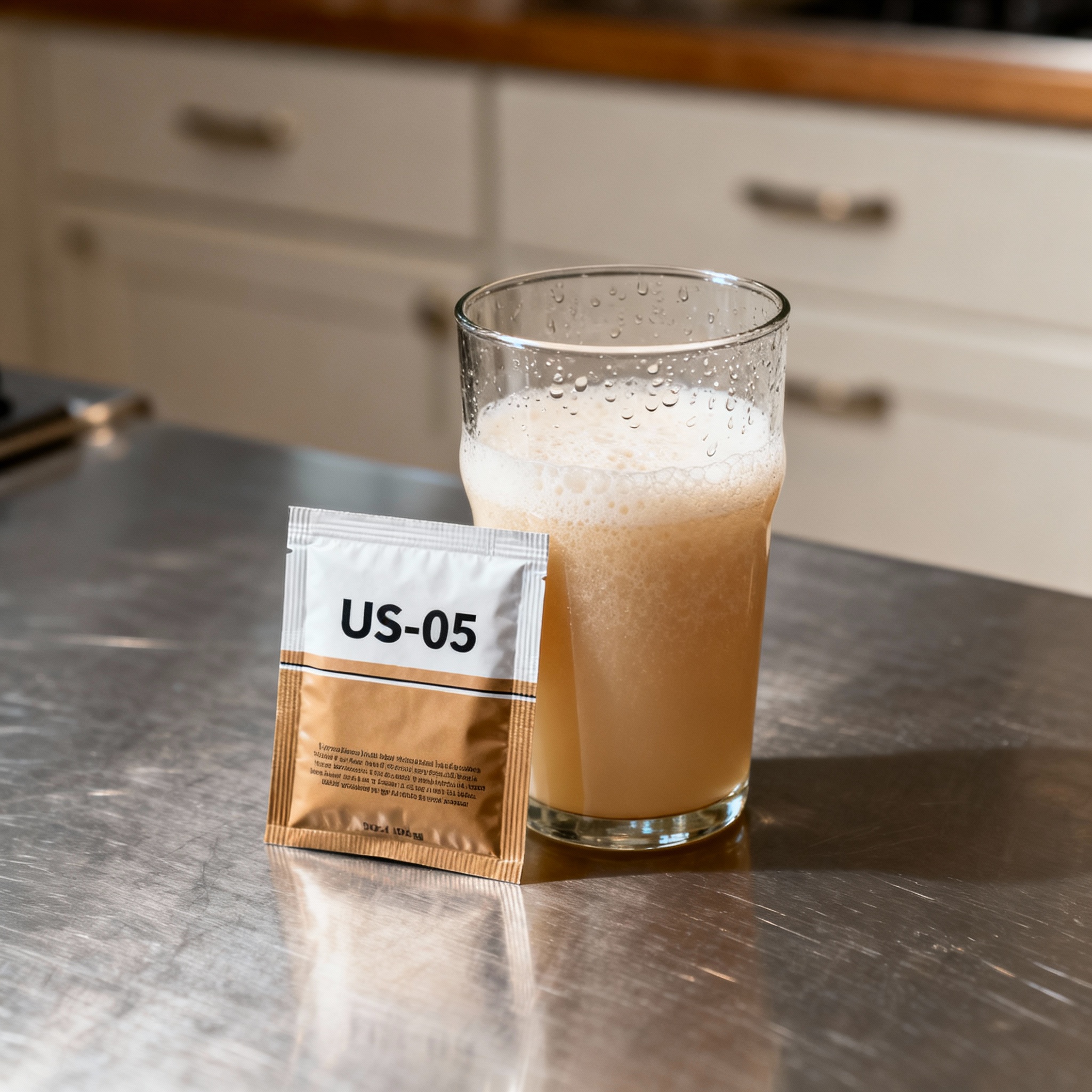
The Clean Fermenters: Chico, English, and Kölsch Strains.
Introduction: When Yeast Should Get Out of the Way
I learned this the hard way after brewing a pale ale with Belgian yeast. The beer tasted like clove and banana had a fistfight in my glass. Great for a saison, terrible for what I wanted: a hop-forward beer where Citra and Mosaic could shine without competing with yeast funk.
That’s when I realized not every beer needs a yeast with personality. Sometimes you just need a strain that ferments sugar, doesn’t throw weird flavors, and gets out of the way. Clean ale yeasts are the workhorses of brewing. They don’t demand attention. They do their job, drop clear, and let the malt and hops tell the story.
This guide covers three families of clean ale yeasts: Chico (the American standard), English ale strains (fast and fluffy), and Kölsch yeasts (the hybrid weirdos). Each has quirks. Each fits specific jobs. If you pick the wrong one, you’ll end up with a beer that’s too sweet, too fruity, or just off.
Let’s break them down.
The Chico Strain (US-05): The Neutral American Standard
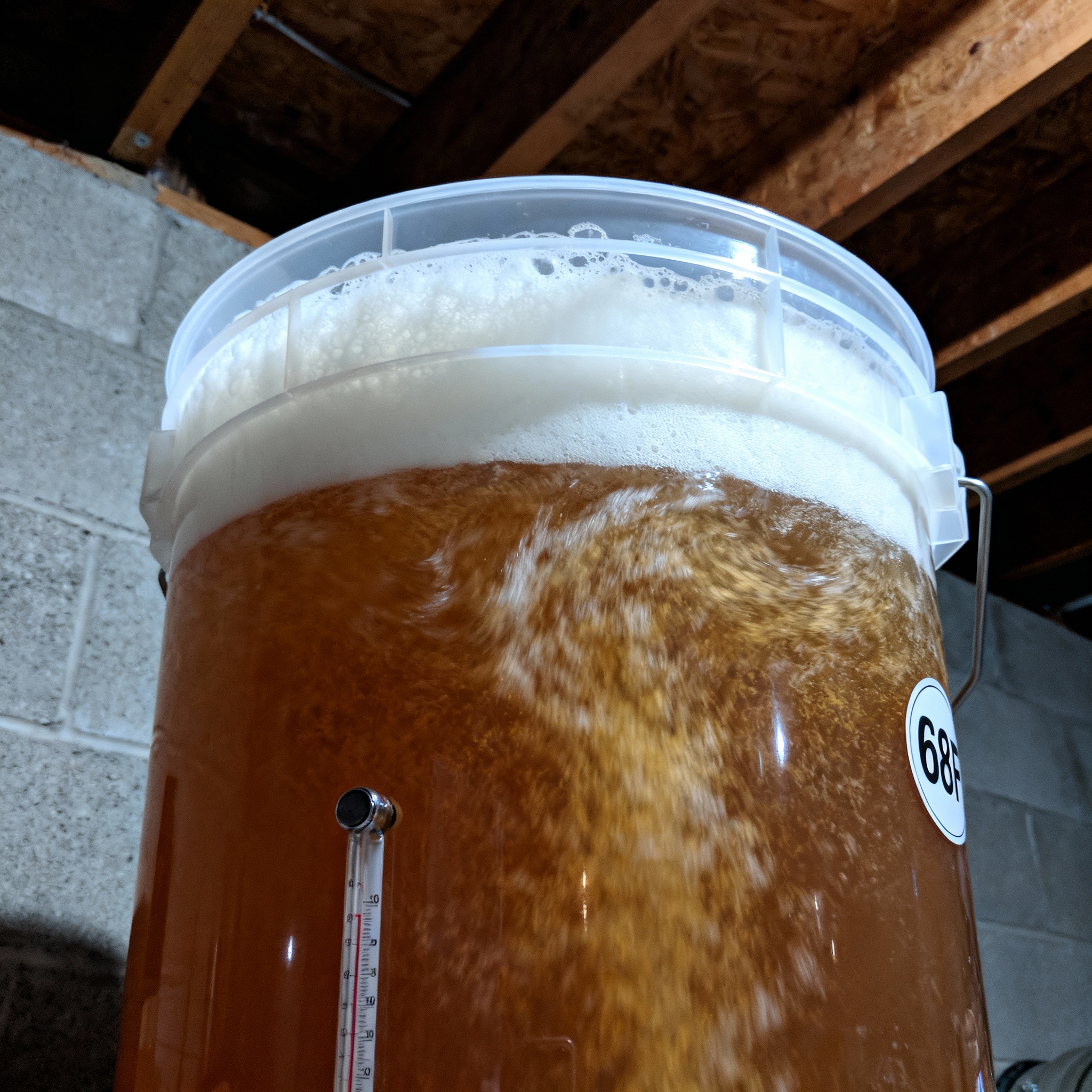
Chico is everywhere. If you’ve ever brewed an American pale ale, IPA, or anything where hops matter, you’ve probably used it. The dry version is Fermentis SafAle US-05. The liquid version is White Labs WLP001 or Wyeast 1056. They’re all descendants of the same yeast, allegedly from Sierra Nevada Brewery (though the brewery has never confirmed it).
Chico is clean. It doesn’t produce much fruity ester. It doesn’t throw phenols. It just converts sugar into alcohol and CO2 without getting in the way. Attenuation is high, usually 73 to 77 percent, sometimes higher if you let it ride out. That means it chews through most of the fermentable sugar, leaving a dry finish.
I use US-05 when I want the hops to do all the talking. IPAs, pale ales, and even pseudo-lagers work well with this strain. It ferments fast, usually finishing primary in four to six days at 18 to 20°C. It tolerates a range of temperatures without throwing off-flavors, though it gets cleaner the cooler you go.
The downside? It doesn’t flocculate hard. You’ll get a haze if you don’t cold crash or fine with gelatin. I’ve had batches sit in the fermenter for two weeks and still pour cloudy. That’s fine for a hazy IPA, annoying for a clean pale ale.
One thing I’ve noticed: US-05 can stall if you underpitch. I learned this after rehydrating half a packet for a small batch and watching the gravity get stuck at 1.020. Now I always rehydrate the full 11.5 grams in warm water (35 to 40°C) for 15 minutes before pitching, even if I’m only brewing 10 liters. The yeast needs that hydration step to wake up properly.
Temperature control matters. If you let US-05 run hot (above 22°C), you’ll start getting fruity esters. Not Belgian-level funk, but enough to make the beer taste less crisp. I keep mine at 18°C for the first three days, then let it free-rise to 20°C to finish strong.
If you’re dry hopping, add the hops after US-05 finishes primary but before cold crashing. The yeast will scrub out some of the grassy notes and biotransform hop compounds into juicier flavors. I usually add hops on day five, let them sit for three days, then crash.
English Ale Yeasts (S-04): Fast Fermenting, Highly Flocculent, with Mild Fruity Esters
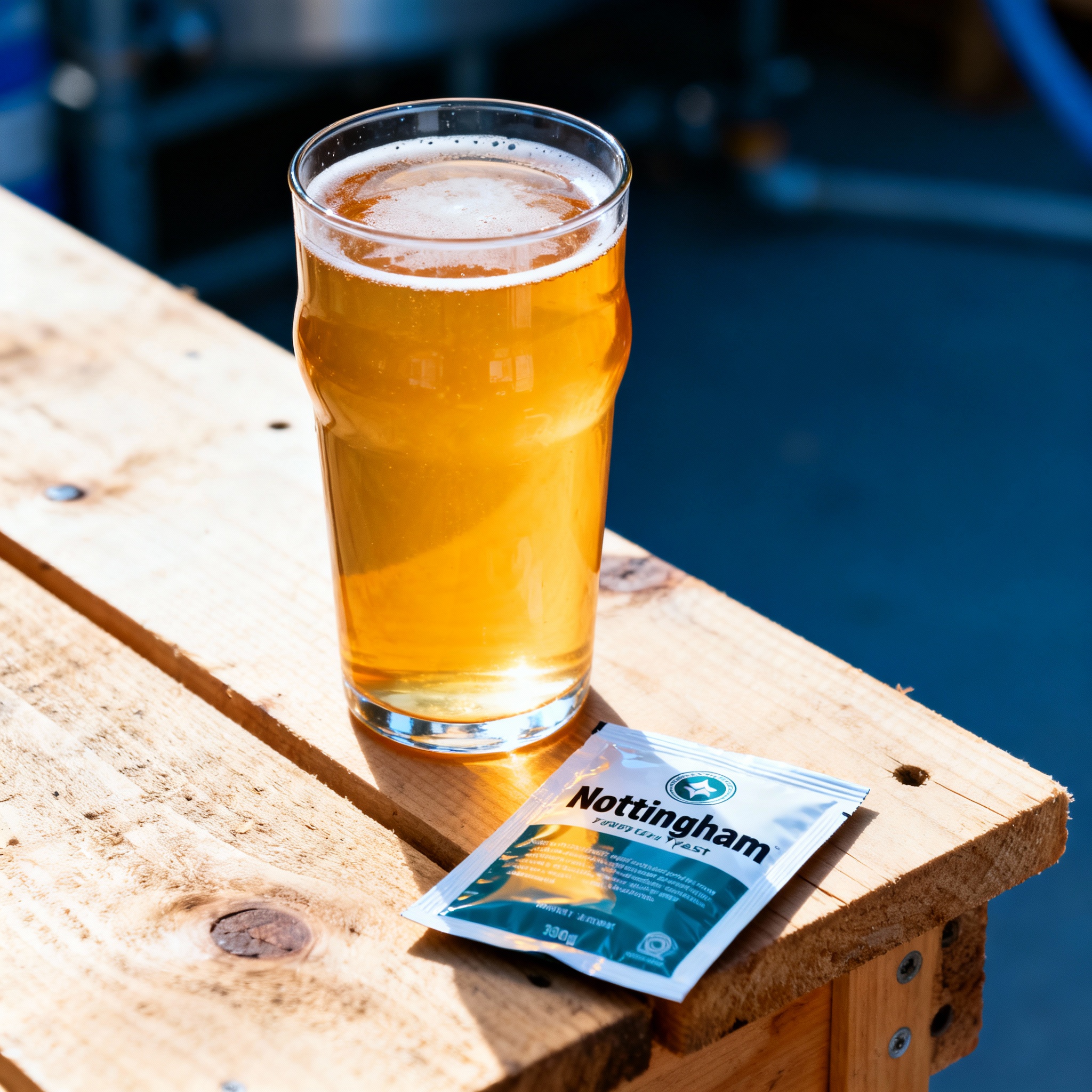
English ale yeasts are different animals. Fermentis SafAle S-04 is the dry standard, though Wyeast 1968 (London ESB) and White Labs WLP002 (English Ale) are common liquids. These strains ferment fast, flocculate hard, and leave a slight fruity character even when you keep them cool.
S-04 drops clear like a stone. I’ve had beers go from murky brown to crystal clear in 48 hours after fermentation stops. The yeast just clumps up and falls to the bottom. You don’t need gelatin or cold crashing, though both help. This is why British brewers love these strains. Cask ale needs to clear fast, and S-04 does exactly that.
Attenuation is lower than Chico, usually 70 to 75 percent. That leaves more residual sugar, which gives the beer a rounder, slightly sweeter body. If you’re brewing a malty beer (brown ale, ESB, mild), that sweetness works. If you’re brewing a pale ale and want it bone-dry, S-04 is the wrong choice.
The ester profile is subtle but present. You’ll get hints of pear, apple, or stone fruit, depending on fermentation temperature. At 18°C, it’s pretty clean. At 20 to 22°C, the fruit comes forward. I’ve brewed a best bitter at 19°C and got just enough ester to make it interesting without turning it into a fruit salad.
One quirk: S-04 can produce diacetyl if you don’t give it a diacetyl rest. Diacetyl tastes like butter or movie theater popcorn. It’s a fermentation byproduct that yeast normally reabsorbs, but English strains sometimes leave it behind if you cold crash too early. I let my S-04 beers sit at fermentation temperature for two extra days after gravity stabilizes. That gives the yeast time to clean up.
S-04 is also a top cropper. It forms a thick krausen and leaves a dense cake on top of the beer. I’ve had fermenters blow their airlocks because I didn’t leave enough headspace. Now I fill the fermenter to only 80 percent capacity and use a blowoff tube for the first three days.
I use S-04 for anything British: bitters, milds, porters, and browns. It’s also good for American ambers where you want a slightly fuller body. I wouldn’t use it for an IPA unless you want a 1990s-style West Coast beer with a bit of malt sweetness.
If you get a buttery off-flavor from S-04, warm the beer to 20°C for three days after fermentation finishes. The yeast will reabsorb the diacetyl. Don’t cold crash until the beer tastes clean.
Kölsch and Alt Yeasts: The Hybrids
Kölsch yeasts are weird. They’re ale strains, but they act like lagers when you ferment them cold. The most common versions are White Labs WLP029 (German Ale/Kölsch) and Wyeast 2565 (Kölsch). Alt yeasts (like WLP036 Düsseldorf Alt) are similar but slightly fruitier.
These strains are clean at low temperatures (13 to 16°C) and start throwing subtle fruit esters if you let them warm up. Ferment a Kölsch yeast at 14°C and you get a crisp, almost lager-like beer. Ferment it at 18°C and you’ll get stone fruit and a hint of white wine character.
Attenuation is high, similar to Chico. Kölsch yeast chews through 75 to 80 percent of the fermentables, leaving a dry, clean finish. Flocculation is moderate. The beer won’t drop crystal clear like S-04, but it won’t stay hazy like US-05 either. A week of cold crashing usually gets it bright enough.
The challenge with Kölsch yeast is temperature control. If you don’t have a way to hold 14 to 16°C, you’re better off using US-05. I tried fermenting WLP029 at room temperature (20°C) once and got a beer that tasted like underripe peaches. Not terrible, but not a Kölsch either.
Alt yeasts are slightly different. They’re designed to ferment a bit warmer (16 to 18°C) and tolerate the maltier, darker grain bills of Düsseldorf Altbier. They produce a bit more ester than Kölsch strains but still stay in the clean range. I’ve used WLP036 for amber ales and gotten a beer that’s crisp but not bone-dry, with just a hint of fruit in the background.
Kölsch and Alt yeasts are slower than Chico or S-04. At 14°C, primary fermentation can take 10 to 14 days. You need patience. I’ve made the mistake of cold crashing too early and ending up with a beer stuck at 1.014 when it should have finished at 1.010. Now I wait until gravity stabilizes for three straight days before I touch it.
These strains work best for Kölsch (obviously), Altbier, cream ales, and even light lagers if you don’t have access to true lager yeast. I’ve also used Kölsch yeast for a pseudo-Pilsner by fermenting at 15°C and lagering for three weeks. It’s not identical to a real lager, but it’s close enough that most people can’t tell the difference.
If you don’t have a fermentation chamber, you can still use Kölsch yeast in the winter. I’ve fermented batches in my unheated garage in January, where the ambient temperature stays around 13 to 15°C. Just make sure you insulate the fermenter so it doesn’t swing too much.
Attenuation Differences: Why US-05 Leaves a Beer Drier Than S-04
Attenuation is the percentage of sugar the yeast converts into alcohol. High attenuation means a dry beer. Low attenuation means a sweeter, fuller beer. This matters because the wrong yeast can throw off your entire recipe.
US-05 (Chico) has the highest attenuation of the three families, usually 73 to 77 percent, sometimes higher. If your beer starts at 1.050, it’ll finish around 1.011 to 1.013. That’s dry. You’ll taste the hops and the bitterness, but not much residual malt sweetness.
S-04 (English) is lower, around 70 to 75 percent. The same 1.050 beer finishes at 1.013 to 1.015. That extra gravity point or two makes a noticeable difference. The beer feels rounder, slightly sweeter, and the malt character comes through more.
Kölsch yeasts are in the middle to high range, 75 to 80 percent. They’re closer to Chico than S-04. A 1.050 beer finishes around 1.010 to 1.012. That’s dry, but not as aggressively dry as some US-05 batches.
Why does this matter? Because if you design a recipe for US-05 and then swap in S-04, you’ll end up with a sweeter beer than you planned. I did this once with an IPA. I ran out of US-05 and used S-04 instead. The beer finished at 1.016 instead of 1.012, and the extra sweetness made the hops taste muddled. It wasn’t bad, but it wasn’t what I wanted.
Attenuation also depends on mash temperature. If you mash at 65°C, you’ll get more fermentable sugars and higher attenuation. If you mash at 68°C, you’ll get more complex sugars that yeast can’t fully break down, which lowers attenuation. I’ve found that US-05 is more forgiving of high-temp mashes. It’ll still chew through most of the sugar. S-04 is less aggressive, so a 68°C mash with S-04 will leave a noticeably sweeter beer.
If you want to predict final gravity, use this rough formula:
Predicted FG = OG × (1 - (Attenuation ÷ 100))
For example, if your OG is 1.050 and you’re using S-04 with 72 percent attenuation:
FG = 1.050 × (1 - 0.72) = 1.050 × 0.28 = 1.014
This isn’t perfect. Actual attenuation varies based on mash temp, yeast health, and fermentation temperature. But it gets you close.
If your beer finishes higher than expected, don’t panic. Check the gravity three days in a row. If it’s stable, fermentation is done. If you want it drier, you can pitch a more aggressive yeast like US-05 or a champagne yeast, but that’s a last resort. Usually, it’s better to just adjust your expectations and see if the beer still tastes good.
Flocculation: Why English Yeast Drops Clear Like a Stone
Flocculation is how well yeast clumps together and falls out of suspension. High flocculation means the yeast drops fast and the beer clears quickly. Low flocculation means the yeast stays suspended, leaving the beer hazy.
S-04 has very high flocculation. After fermentation stops, the yeast clumps into dense chunks and drops to the bottom. I’ve had S-04 beers go from murky to clear in two days without any fining agents. This is why cask ale brewers love English strains. The beer clears in the cask, and you can serve it within a week.
US-05 has low to medium flocculation. It stays in suspension longer. Even after fermentation finishes, you’ll have a haze. Cold crashing helps, but it takes time. I usually cold crash US-05 beers for at least three days at 2°C to get them reasonably clear. Even then, some haze remains unless I use gelatin.
Kölsch yeasts fall in the middle. They flocculate better than US-05 but not as hard as S-04. A week of cold crashing usually gets the beer bright. I’ve noticed that WLP029 (Kölsch) drops a bit better than WLP036 (Alt), but the difference is subtle.
Flocculation affects more than clarity. High-flocculation yeasts finish fermentation faster because they drop out before they’ve cleaned up all the byproducts. That’s why S-04 can leave diacetyl if you’re not careful. The yeast stops working before it reabsorbs everything.
Low-flocculation yeasts like US-05 stay in suspension longer, which means they keep cleaning up fermentation byproducts even after primary fermentation slows down. That’s one reason US-05 beers taste cleaner, they’ve had more time to scrub out off-flavors.
If clarity matters (it doesn’t always), you can use fining agents. Gelatin is the most common. I add 1 teaspoon of gelatin dissolved in 60 ml of warm water per 20 liters of beer during cold crash. It works great with US-05 and Kölsch yeasts. It’s overkill for S-04 because that yeast drops clear on its own.
Some people hate the idea of fining agents, and that’s fine. If you’re brewing a hazy IPA or a beer where clarity doesn’t matter, don’t bother. But if you’re brewing a Kölsch or a pale ale where you want a crystal-clear beer, gelatin is the fastest way to get there.
If you don’t have a way to cold crash, you can still get clearer beer by giving it time. Let the beer sit at room temperature for an extra week after fermentation finishes. Gravity will do most of the work, even with low-flocculation strains like US-05. It won’t be as bright as cold-crashed beer, but it’ll be drinkable.
Conclusion
Choosing the right clean ale yeast comes down to what you want the beer to do. If you want bone-dry and neutral, use Chico (US-05). If you want fast, clear, and slightly malty, use English (S-04). If you want a hybrid that acts like a lager without the cold fermentation hassle, use Kölsch or Alt yeast.
I keep all three in my fridge. US-05 for IPAs and pale ales. S-04 for bitters and browns. WLP029 for cream ales and pseudo-lagers. Each one has a job. None of them will ruin your beer if you pick the wrong one, but the right choice makes the difference between a good beer and a great one.
Here’s a quick comparison:
| Yeast Strain | Attenuation (%) | Flocculation