The 4 Water Profiles Every Brewer Must Know.
I spent my first three years brewing convinced that water was just a boring canvas, but I was wrong; the water is half the recipe. Geography determined beer styles because local water chemistry demanded specific approaches to brewing.
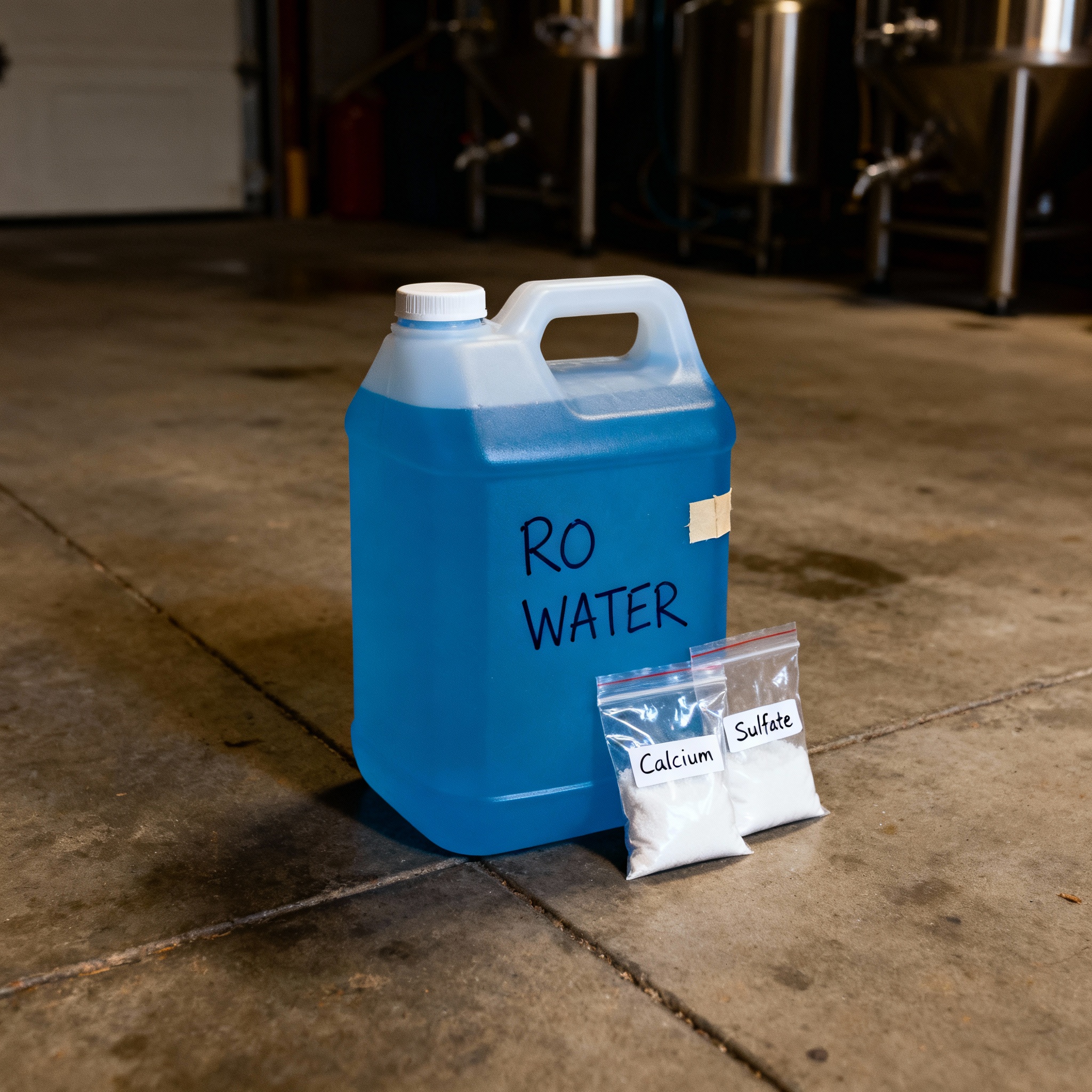
Replicating a classic beer style requires replicating its water. While you can buy the same malt and hops used globally, you can only match the original flavor by building the correct mineral profile using reverse osmosis (RO) water and specific salts, a process simplified by calculators like Brewer’s Friend.
This guide covers the four foundational water profiles that shaped modern brewing. Understanding these will allow you to tweak your recipes with intention rather than guesswork.
Burton-on-Trent: The Sulfur Bomb
Burton-on-Trent sits on a massive gypsum bed, resulting in well water so hard it contains sulfate levels reaching 800 parts per million (ppm). Sulfate exaggerates the bite of alpha acids, sharpening hop bitterness without adding bitterness on its own.
High sulfate levels transformed the English IPA, allowing hops to punch through the malt in a way softer water could not. This created a crisp, dry, and almost astringent finish that defined the style for its long journeys to India.
However, pushing sulfate too far can result in a harsh, mineral-like taste often described as “aggressively unpleasant”. Typical Burton water is heavily skewed toward sulfate with very low chloride.
The ratio of sulfate to chloride is the primary lever for bitterness perception. In Burton water, a high sulfate-to-chloride ratio (often exceeding 6:1) ensures that hop bitterness is the dominant sensory feature.
If your hops taste muted, your sulfate level is likely too low. Start at 200 ppm for American IPAs and 300 ppm for English IPAs to sharpen the finish.
Plzen: The Softest Water
Plzen water is nearly pure, with total dissolved solids (TDS) hovering between 30 and 50 ppm, which is close to distilled water. This lack of minerals creates a problem: soft water does not buffer pH well, causing mash pH to drift too high.
High mash pH extracts harsh tannins from grain husks, resulting in an astringent and papery taste. Traditionally, Plzen brewers solved this with a labor-intensive decoction mash to lower the pH slightly.
The benefit of such soft water is a beer with zero mineral interference, allowing pure grain and hop flavors to shine. The bitterness is smooth and rounded, while the malt flavor remains delicate and bready.
In soft-water environments like Plzen, boiling a portion of the mash (decoction mash) was essential to lower pH and develop malt complexity through Maillard reactions without the aid of water minerals.
When brewing a Pilsner with RO water, keep calcium between 30 and 50 ppm. Use lactic acid instead of heavy mineral additions to control your mash pH.
Dublin: The Carbonate Rock
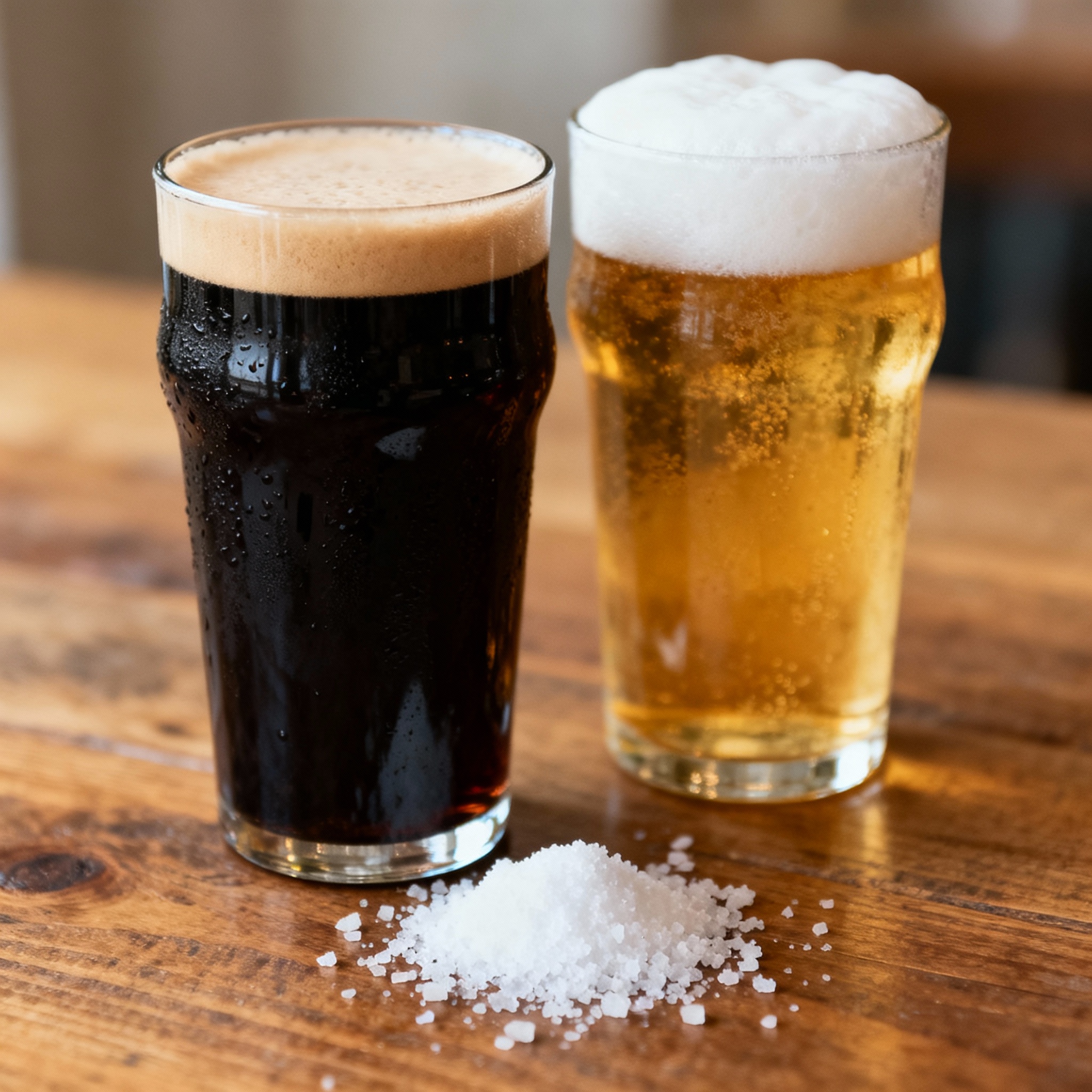
Dublin water is loaded with bicarbonates (200 to 300 ppm) due to the local limestone. High carbonate levels raise mash pH, which is typically bad for pale beers but perfect for dark, acidic grains like roasted barley.
Roasted grains drop mash pH aggressively; in soft water, this can make a stout taste sour and thin. Dublin’s carbonates neutralize this acidity, keeping the mash in the ideal range for a smooth, full-bodied stout.
The result is a stout where the roast character is pronounced but never harsh. If you add too much carbonate, however, the beer will taste chalky and “Tums-like”.
Carbonates act as a chemical buffer, preventing the pH from dropping too low when high percentages of acidic roasted malts are used. This interaction is what allowed Dublin to become the global center for dry Irish stouts.
For most stouts and porters, aim for 100 to 150 ppm of carbonate. Only push toward 200 ppm if your grain bill exceeds 10% heavily roasted malts.
Dortmund: The Mineral Balance
Dortmund water is unique because it is high in both sulfate and chloride, creating a balanced profile. Sulfate keeps the hops present, while chloride adds enough malt sweetness to provide a rich, full body.
This water profile was essential for Dortmund Export Lagers, which needed to be stable for transport but approachable in flavor. The beer remains clean and crisp but tastes richer than a standard pilsner.
When replicating this, the ratio of sulfate to chloride matters more than the exact mineral count. Finding the balance is fragile; too much of either will shift the beer toward a Burton or Munich profile.
| Profile | Sulfate (ppm) | Chloride (ppm) | Carbonate (ppm) | Best For |
|---|---|---|---|---|
| Burton | 300+ | < 50 | Low | English IPA |
| Plzen | < 10 | < 10 | Low | Czech Pilsner |
| Dublin | 50-100 | 50 | 200 | Dry Stout |
| Dortmund | 200 | 100 | Low | Export Lager |
Building Profiles from RO Water
You can rebuild any profile using reverse osmosis (RO) water and two primary salts: gypsum (calcium sulfate) and calcium chloride, widely available from suppliers like MoreBeer!. These two salts cover approximately 90% of a brewer’s needs.
- Gypsum: Adds calcium and sulfate to sharpen bitterness.
- Calcium Chloride: Adds calcium and chloride to soften bitterness and enhance malt.
- Calcium Carbonate (Chalk): Used specifically for raising alkalinity in dark beers.
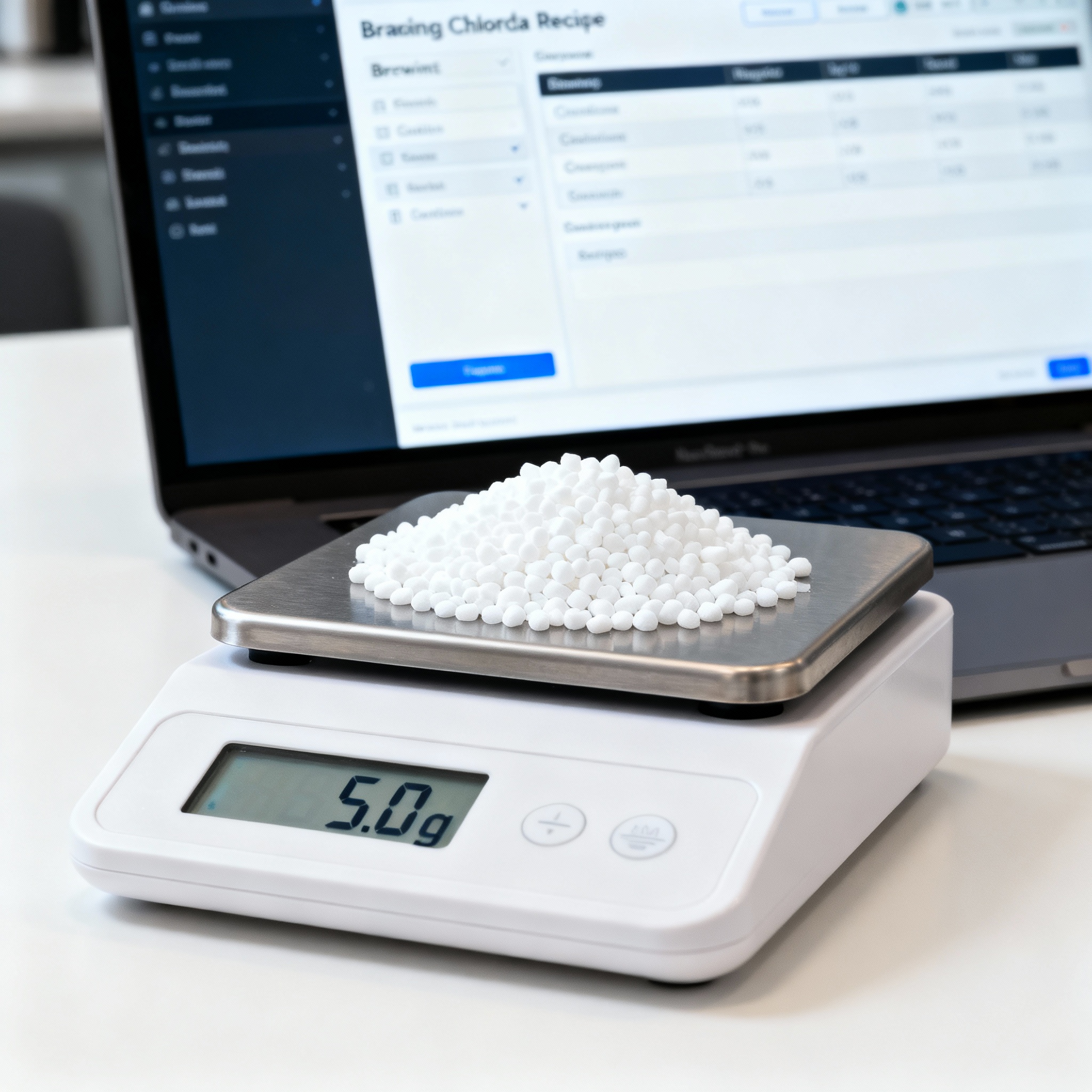
Always measure salts using a digital scale accurate to 0.1 grams. Adjustments must be made before brewing; adding minerals to a finished beer often results in a metallic or chalky flavor.
If you are new to water chemistry, follow the “Golden Ratio”: 2:1 sulfate-to-chloride for hoppy beers, 1:2 for malty beers, and 1:1 for balanced beers.
Conclusion
Water minerals shape beer flavor as significantly as hops or malt. By mastering these four archetypes, your IPAs will become crisper, your stouts smoother, and your lagers will lose their papery thinness.
Start with the basic sulfate-to-chloride ratio and experiment based on your palate. Once you control your water, you control the final character of your beer.
References
- User-provided article text on The 4 Water Profiles Every Brewer Must Know.