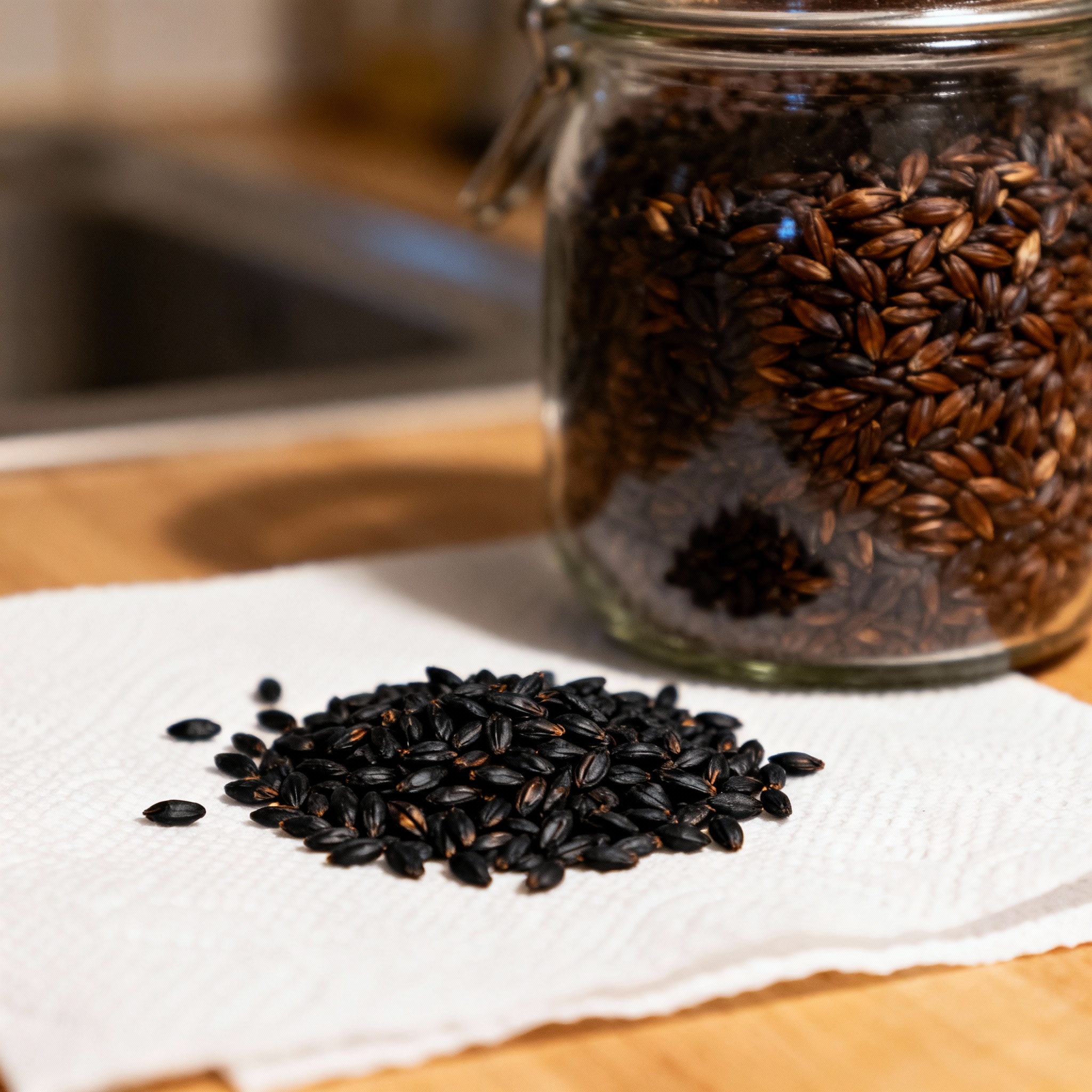
Using Color and Roast for Flavor: Crystal, Chocolate, and Black Patent.
I used to think dark beer was just pale malt with a bunch of black stuff thrown in. That worked for exactly one batch-a porter that tasted like burnt toast water with a hint of sadness.
The problem was not that I used dark grains. The problem was that I treated them all the same, like they were interchangeable crayons in a box marked “brown.”
Specialty malts are the spice rack of brewing. You would not dump a quarter cup of cayenne into chili and expect balance; similarly, you should not dump 15% roasted barley into a stout and expect drinkability.
Each grain has a specific job. Crystal malts add sweetness and body, while Chocolate malt brings coffee and cocoa without the char.
Black patent gives you color with a sharp, dry edge. Carafa Special is the secret weapon when you want black color without the bite.
Crystal and Caramel Malts: Stewed Sweetness
Crystal malts are not roasted; they are stewed. The maltster takes wet, germinated barley and roasts it while the moisture is still locked inside the husk.
This heat gelatinizes the starches and converts them to sugar right inside the kernel. When you crack open a crystal malt, you see a glassy, amber interior of caramelized sugar.
Unlike standard kilning, stewing involves high moisture levels that trigger enzymatic conversion of starches to sugars within the grain. This creates unfermentable dextrins that provide permanent residual sweetness and body to the finished beer.
Pale crystal malts (C10 to C40) taste like honey and fresh bread crust. I use these in amber ales when I want a touch of sweetness without a heavy molasses character.
Middle-range crystals (C60 to C80) provide darker caramel, toffee, and raisin notes. These are my go-to choices for brown ales and robust porters.
Dark crystals (C90 to C120) bring burnt sugar and dried fruit. Be careful with these; too much creates a cloying, one-dimensional sweetness that sticks to the roof of your mouth.
Crystal malts can go stale faster than base malts due to their high sugar content. If your grains smell like cardboard or old cereal, discard them, as those off-flavors will carry over into your beer.
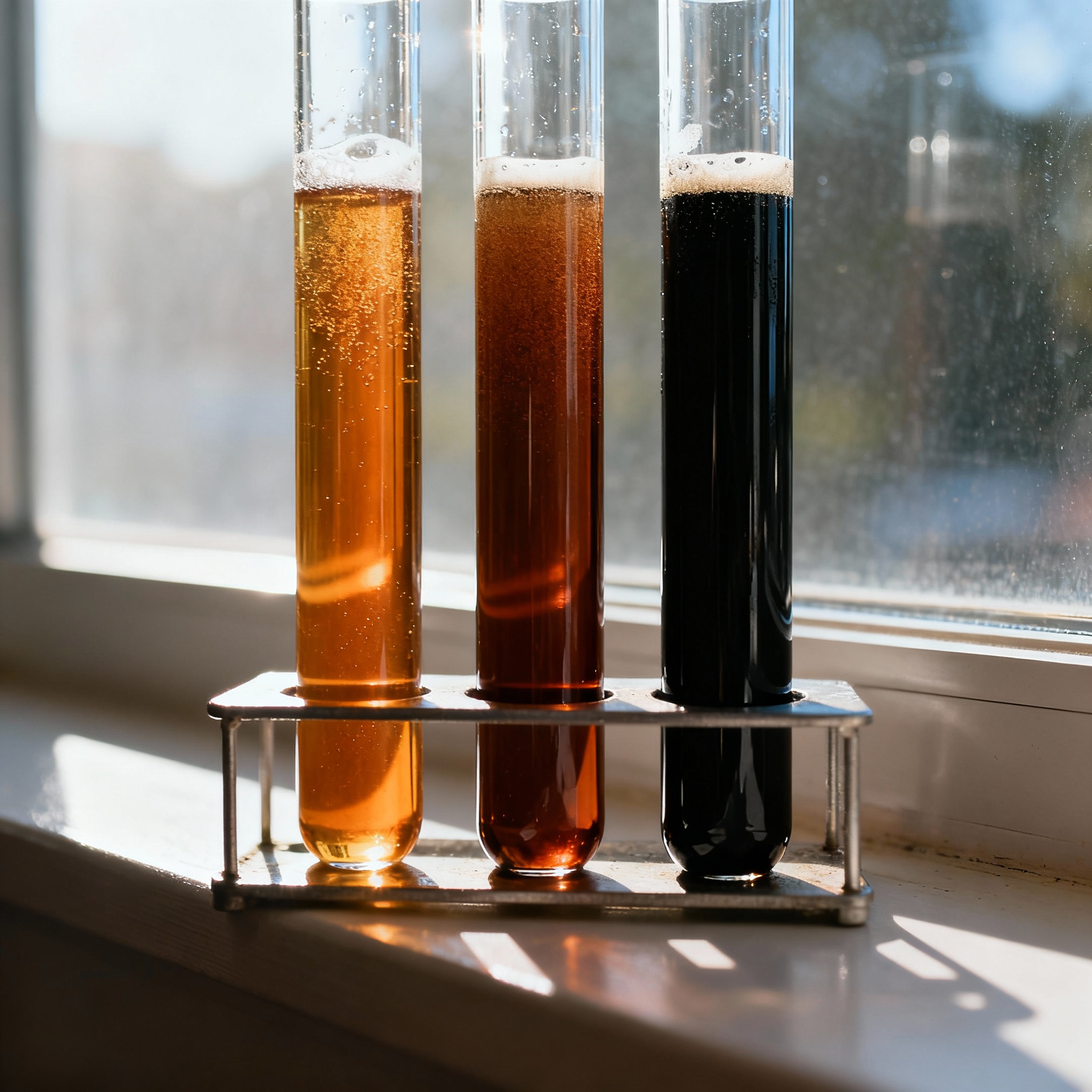
Chocolate Malt vs. Roasted Barley
Chocolate malt and roasted barley both provide dark color, but they are fundamentally different. The difference lies in the malting process and the resulting flavor profile.
Chocolate malt is malted barley roasted until it turns dark brown. This process develops enzymes and sugars before the roast happens, leading to smooth flavors like cocoa and nutty bitterness.
Roasted barley is raw, unmalted barley roasted at high heat. Because it lacks sugar development, it produces a sharper espresso and burnt toast character with a clean, astringent finish.
| Malt Type | Process | Key Flavors | Best Styles |
|---|---|---|---|
| Chocolate Malt | Malted and Roasted | Cocoa, Coffee, Nutty | Porters, Sweet Stouts |
| Roasted Barley | Raw and Roasted | Espresso, Char, Dry | Irish Dry Stouts |
Unmalted roasted barley contains high levels of proteins that are not broken down during the malting process. These proteins significantly contribute to the thick, persistent, creamy head found in traditional stouts.
I often blend them to get the best of both worlds. Using 3% chocolate malt softens the edges, while 2% roasted barley provides a firm, roasty backbone.
If you are brewing a milk stout, stick with chocolate malt to maintain a dessert-like smoothness. For a dry Irish stout, use roasted barley to ensure that signature sharp bite.
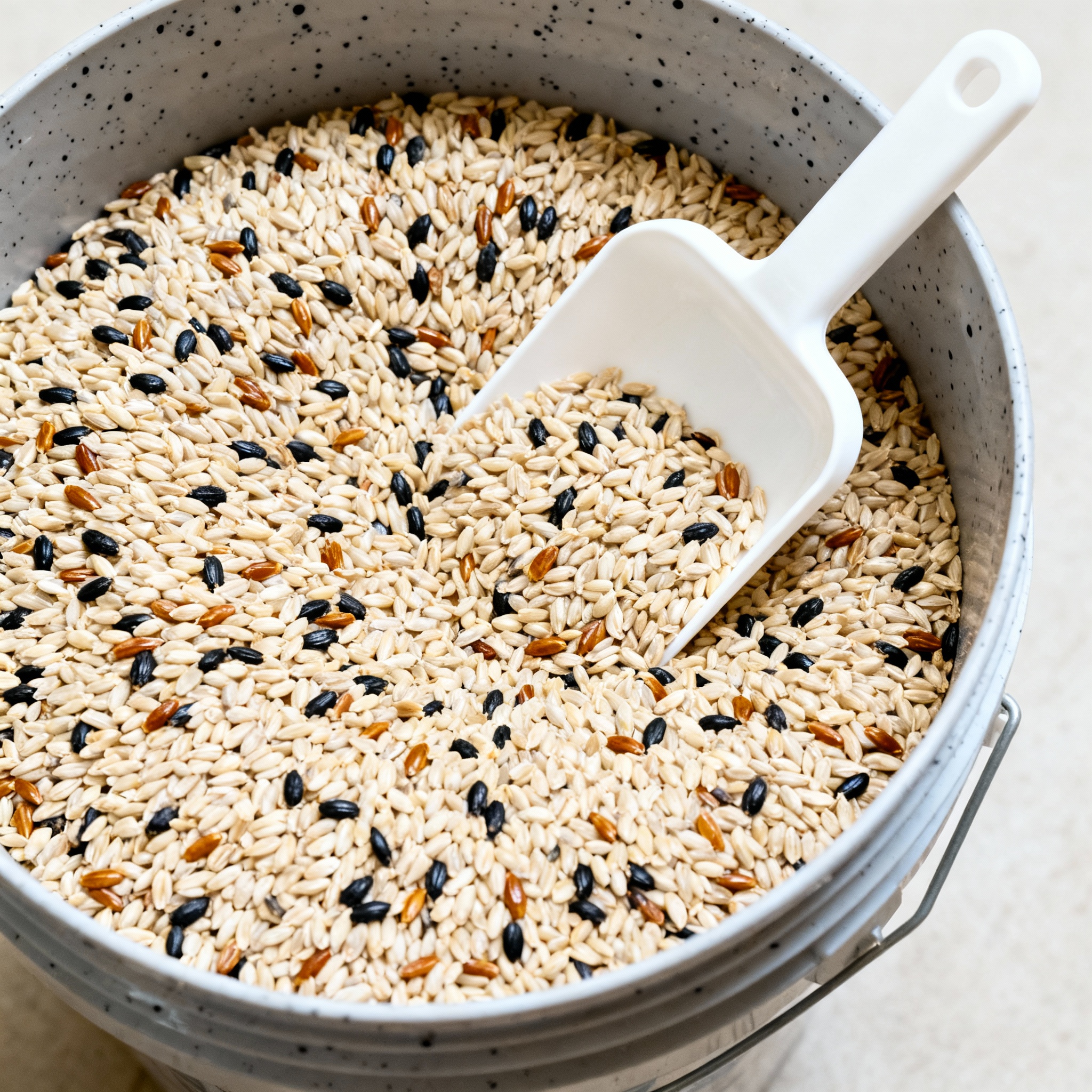
Black Patent and Carafa Special
Black patent malt is roasted until it is almost charcoal, reaching 500 to 600 Lovibond. It provides an intense, ashy edge and a sharp bitterness that can easily overwhelm a beer.
However, it is the most efficient way to add deep color. I use it sparingly (1 to 2%) to reach an opaque black color without overloading the grist with heavy roasted flavors.
Carafa Special is a de-husked malt from Germany. Since the husks are removed before roasting, you get deep color and smooth roast character without the harsh astringency.
If you only need to adjust the color of your beer, add black patent at the very end of the mash. This extracts the pigments without allowing enough time for the harsh, acrid tannins to leach into the wort.
This is the perfect grain for Black IPAs or Schwarzbiers. It allows the hops to remain the star while the malt provides a midnight-black backdrop and a soft cocoa note.
Percentages: The “Less is More” Rule
Dark grains are powerful, and using too much turns your beer into a one-note mess. I follow a simple rule: keep your total dark grain percentage under 10% of the total grist.
Beers with 5% to 7% total dark grains tend to be balanced and complex. If you push past 12%, you risk losing the base malt and hops to a flavor that tastes only like burnt coffee.
| Style | Total Dark Grain % | Recommended Malts |
|---|---|---|
| Brown Ale | 1-3% | Chocolate, Light Crystal |
| Porter | 5-8% | Chocolate, Dark Crystal, Black Patent |
| Imperial Stout | 8-12% | Roasted Barley, Chocolate, Dark Crystal |
Always use a brewing calculator to estimate your SRM color before you brew. Remember that color is a byproduct; the primary goal is always a balanced flavor profile.
Conclusion
The best dark beers treat specialty malts as precise ingredients rather than just colorants. Use crystal malts for body, chocolate malt for smooth roast, and roasted barley for sharp intensity.
Stop thinking about how to make the beer darker and start thinking about the specific flavors you want to achieve. If a batch comes out too harsh, take notes and reduce your dark grain percentages next time.
Every failed batch is just a step toward mastering your spice rack. Understanding these grains will allow you to design professional-quality dark beers with total confidence.
References
- Palmer, J. (2017). How to Brew: Everything You Need to Know to Brew Great Beer Every Time. Brewers Publications.
- Weyermann Malting Company. Malt Specifications and Technical Data Sheets.
- Brew Your Own Magazine. (2015). “Understanding Specialty Malts.”
- American Society of Brewing Chemists. Research Notes on Maillard Reactions.
- Homebrewers Association. Technical Guides on Grain Bill Formulation.