American Pale Ale: The Style That Started It All.
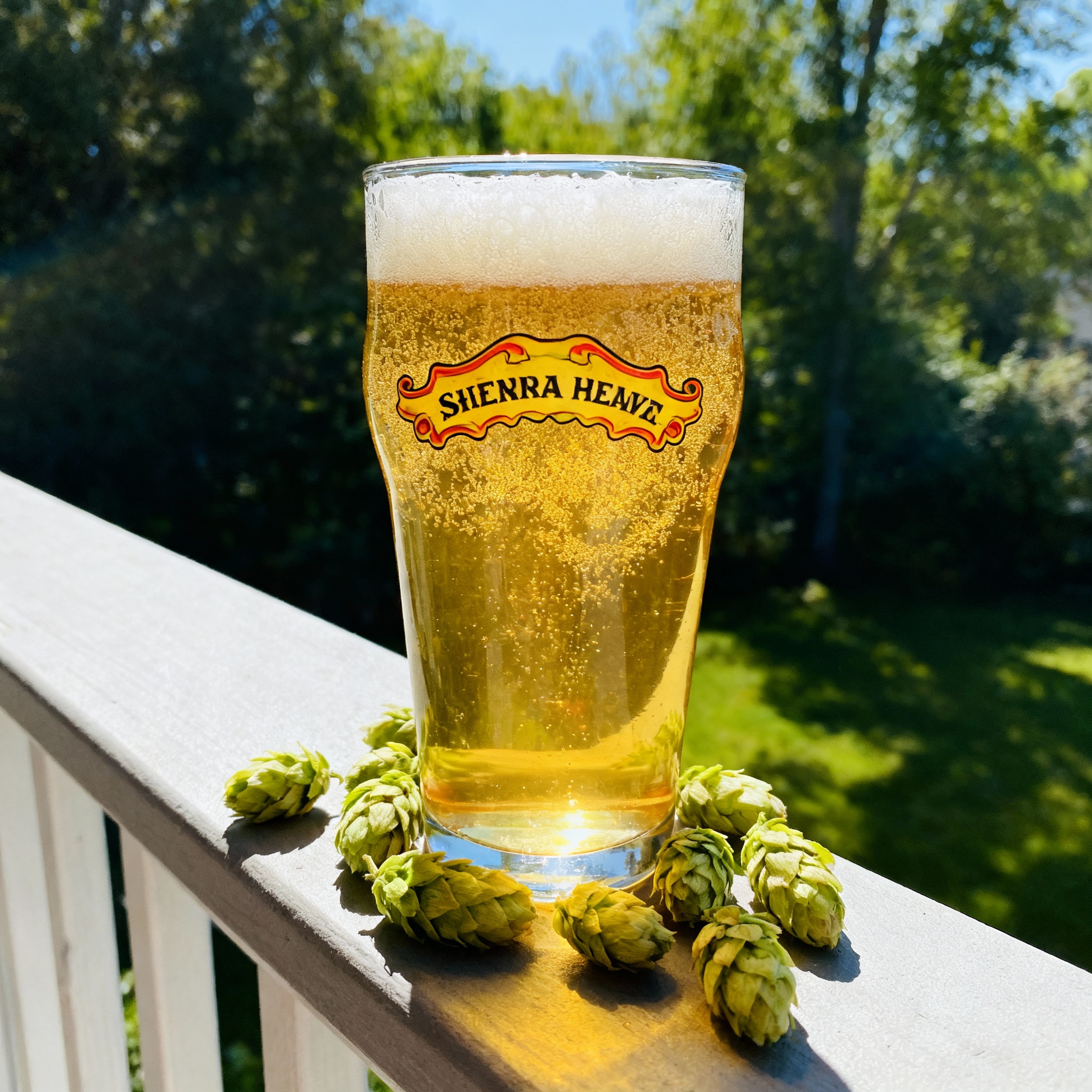
I keep a bottle of Sierra Nevada Pale Ale in my fridge at all times. It is not because I’m a fanboy; it is a reference point.
When I’m tweaking a recipe or figuring out why a homebrew tastes wrong, I pour a glass of Sierra Nevada to reset my palate. That beer, first brewed in 1980, defined what we mean when we say “craft beer.”
Before Sierra Nevada, American beer meant adjunct lagers. These were light, clean, and entirely forgettable.
Ken Grossman and his crew in Chico took traditional English pale ale and dialed up the hops with American varieties. The result was brighter and more aggressive than anything England was making, yet it did not scare away lager drinkers.
The problem now is that American Pale Ale (APA) gets overshadowed by the IPA. People often treat APA like a weaker sibling, but that is wrong.
APA isn’t a failed IPA; it’s a different animal entirely. The balance and the intent are unique.
If an IPA is a hop showcase, an APA is a conversation between malt and hops where both sides get to talk. I have learned that nailing this style requires understanding exactly what it is not.
It is a specific point on the spectrum where drinkability, hop character, and malt sweetness intersect. Let me walk you through what makes this style work for your next brew day.
Malt Balance: The Backbone That Holds Everything Together
The biggest difference between an APA and an IPA is the malt bill. IPAs minimize malt interference to stay out of the hops’ way.
APAs do the opposite. They build a malt foundation that supports the hops without competing for attention.
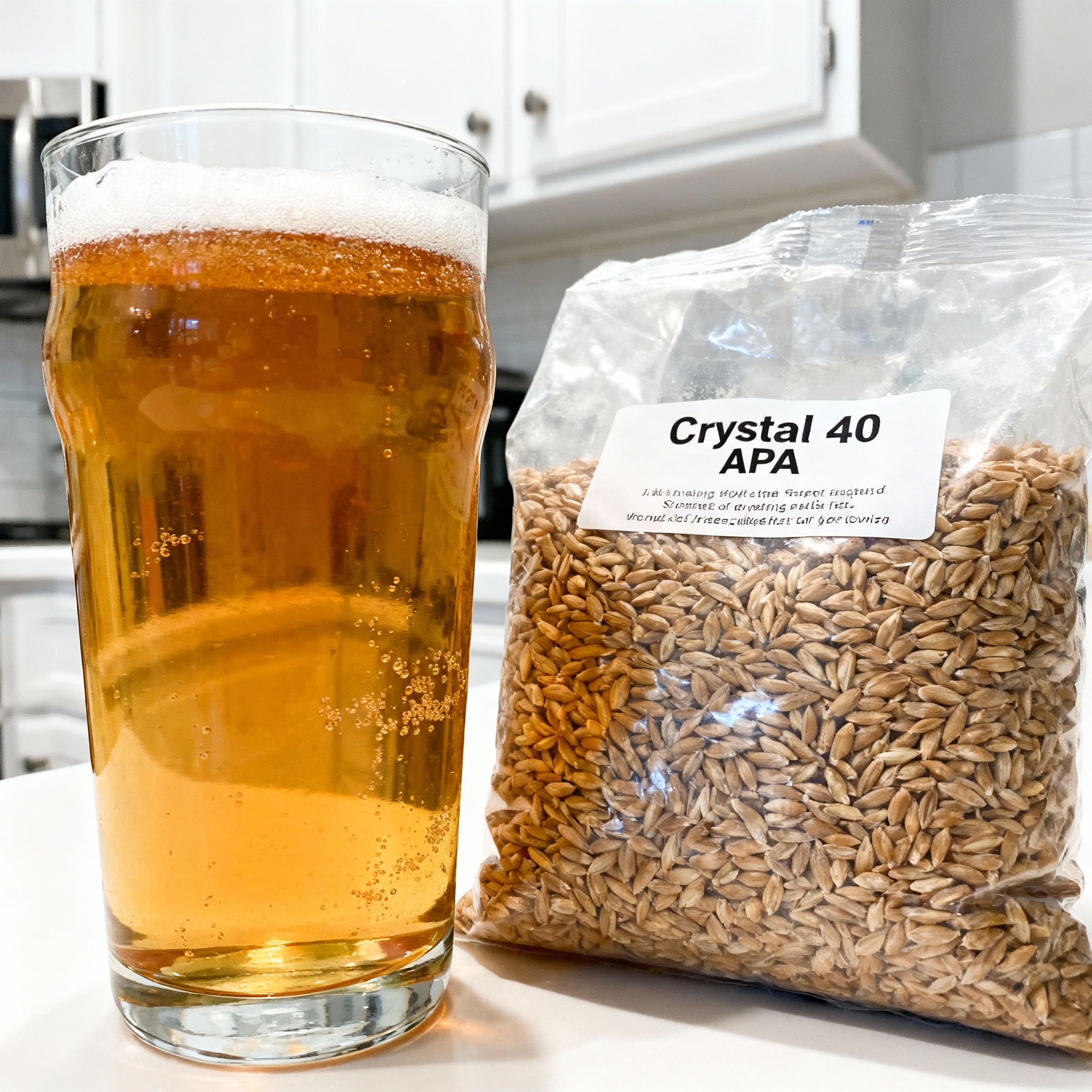
Crystal malt is the key to this balance. Most APAs use 5 to 10 percent Crystal 60L or Crystal 40L.
This adds caramel sweetness, body, and a toasty finish that balances the bitterness. It also improves head retention, which makes the beer feel much more substantial.
I once ran side-by-side batches that were identical except for the crystal malt. The version with 8 percent Crystal 60L had beautiful layers of flavor.
The all-pale version tasted sharp and one-dimensional by comparison. Balance means getting hop bitterness up front, sweetness in the middle, and a dry finish.
Some modern APAs use Munich malt instead of crystal for a breadier sweetness. This works well, but it shifts the profile toward German territory. If you want the classic American character, stick with crystal malts.
If your APA tastes thin, you probably skimped on the crystal malt. Add 5 percent Crystal 40L to your next batch to improve the body. Don’t go over 10 percent, or you’ll end up with a sticky sweetness that doesn’t dry out.
Hop Schedule: Flavor and Aroma Without the Bite
IPAs are famous for their sharp bitterness. APAs don’t play that game, targeting a softer 30 to 45 IBUs.
The difference comes down to hop timing. While IPAs load up on bittering hops at 60 minutes, APAs shift the weight toward the end of the boil.
The focus here is on hop flavor and aroma rather than a tongue-wrecking bite. Expect citrus, pine, and floral notes.
I usually do a small bittering charge at 60 minutes and add the bulk of my hops at 10 minutes and flameout. Cascade is the classic choice, but Centennial and Amarillo also provide excellent results.
Dry hopping is optional in this style. Traditional APAs rely on late boil additions for their aroma.
However, modern versions often include a modest dry hop of 1 to 2 ounces per five gallons. This adds a fresh, bright note without overwhelming the malt backbone.
One thing I’ve learned is that hop freshness matters more in APAs than IPAs. In an APA, stale hops taste dull and grassy because there is less hop mass to hide behind.
Always store your vacuum-sealed hops in the freezer. If you aren’t sure how old your hops are, save them for bittering and use fresh bags for late additions.
If your APA tastes too bitter, check your water chemistry. High sulfate levels amplify bitterness significantly. Aim for a balanced sulfate-to-chloride ratio to keep the finish smooth.
Yeast: The Clean, Neutral Workhorse
Yeast is where many homebrewers overthink the APA. They often try to use spicy phenols or fruity esters that don’t belong.
The yeast in an APA should be invisible. It needs to ferment clean and get out of the way so the hops and malt can shine.
The gold standard is the Chico yeast strain, also known as California Ale Yeast. This is the strain Sierra Nevada uses for their flagship.
I use Safale US-05 because it is dry, cheap, and extremely reliable. I pitch two packets into a five-gallon batch and ferment at 66 to 68 degrees Fahrenheit.
Temperature control is the only real trick here. If you let the temperature climb above 70 degrees, you will get fruity esters that clash with the style.
English ale yeasts are an option if you want a hybrid style. They leave more residual sweetness and a subtle fruitiness. For a classic APA, however, you really should stick with the Chico strain.
Proper pitching rates are also vital for attenuation. Underpitching can cause the fermentation to stall, leaving the beer tasting sweet and syrupy.
If your APA finishes too sweet, your yeast may have stalled. Check your fermentation temperature and ensure you are pitching enough healthy yeast. You can also add a little table sugar to the boil to help dry out the finish.
Water: The Balanced Ratio That Smooths Everything Out
Water chemistry is the difference between a beer that tastes “good” and a beer that tastes “right.” I spent years ignoring water chemistry until I realized how much sulfate and chloride levels matter.
IPAs thrive on high sulfate to sharpen the bitterness. A typical West Coast IPA might have a sulfate-to-chloride ratio of 4:1.
APAs need a much more balanced ratio, closer to 1.5:1. This enhances the hops without making them feel harsh on the tongue.
I usually start with distilled water and add gypsum and calcium chloride to hit my targets. For a five-gallon batch, I aim for 150 ppm sulfate and 75 ppm chloride.
This results in a beer where the hops are bright but the malt sweetness still comes through. If you don’t have the equipment to measure water, just be careful not to overdo the gypsum.
Chloride levels also affect the mouthfeel of the beer. Higher chloride makes the beer feel fuller and rounder. If your APA feels thin, try bumping the chloride up to 100 ppm to smooth it out.
If you’re new to water chemistry, start simple. Add 1 gram of gypsum and 0.5 grams of calcium chloride per gallon of water. This will get you very close to a balanced APA profile.
The Modern APA: How the Style Has Evolved
The APA has shifted significantly over the last ten years. Brewers are making versions that are juicier, less bitter, and much more aromatic.
Modern APAs use more whirlpool hops and heavier dry hopping. They lean on tropical varieties like Mosaic, Galaxy, and Sabro.
The malt bill stays similar, but some brewers add flaked oats for a softer mouthfeel. The bitterness usually drops to the low end of the range, around 30 IBUs.
I recently brewed a version with Mosaic and Citra. I kept the crystal malt at 7 percent but added 10 percent flaked oats.
The result was closer to a hazy IPA, but it still maintained its balance. The risk with the modern approach is blurring the line too far into IPA territory.
If you push the hops too hard, you’re just making a weak IPA. The style works best when it maintains that distinct conversation between malt and hops.
If you want to try a modern APA, keep the malt bill traditional but use tropical hops. This adds a modern twist to a classic foundation without reinventing the style from scratch.
Conclusion
American Pale Ale taught American brewers how to use their own local hops. It is the foundation of the West Coast IPA and the Hazy IPA.
Brewing a good APA is actually harder than brewing an IPA because there is nowhere to hide flaws. It requires precision, balance, and restraint.
I still brew APAs more than any other style. They are approachable, hoppy, and exactly what beer should be.
If you have never brewed one, start with a Sierra Nevada clone. Once you nail that, you can experiment with different hops and water profiles.
Always come back to the original reference point. It is the benchmark for a reason.
Recipe Example: Classic Reference Pale Ale
| Ingredient | Amount (5 Gallons) | Percentage |
|---|---|---|
| 2-Row Pale Malt | 10 lbs | 92% |
| Crystal 60L | 0.75 lbs | 7% |
| Victory Malt | 0.25 lbs | 1% |
| Cascade Hops (60 min) | 0.75 oz | (22 IBUs) |
| Cascade Hops (15 min) | 1 oz | (10 IBUs) |
| Cascade Hops (0 min) | 1 oz | (Aroma) |
| Safale US-05 Yeast | 2 packets | N/A |
| Original Gravity | 1.054 | N/A |
| Final Gravity | 1.012 | N/A |
| ABV | 5.5% | N/A |
| IBU | 35 | N/A |
Mash at 152°F for 60 minutes. Ferment at 67°F for 10 days.
References
- Grossman, K. (2013). Beyond the Pale. Wiley.
- Palmer, J., & Kaminski, C. (2013). Water: A Comprehensive Guide. Brewers Publications.
- White, C., & Zainasheff, J. (2010). Yeast: The Practical Guide. Brewers Publications.
- Daniels, R. (1996). Designing Great Beers. Brewers Publications.
- Brewers Association. (2023). Beer Style Guidelines.