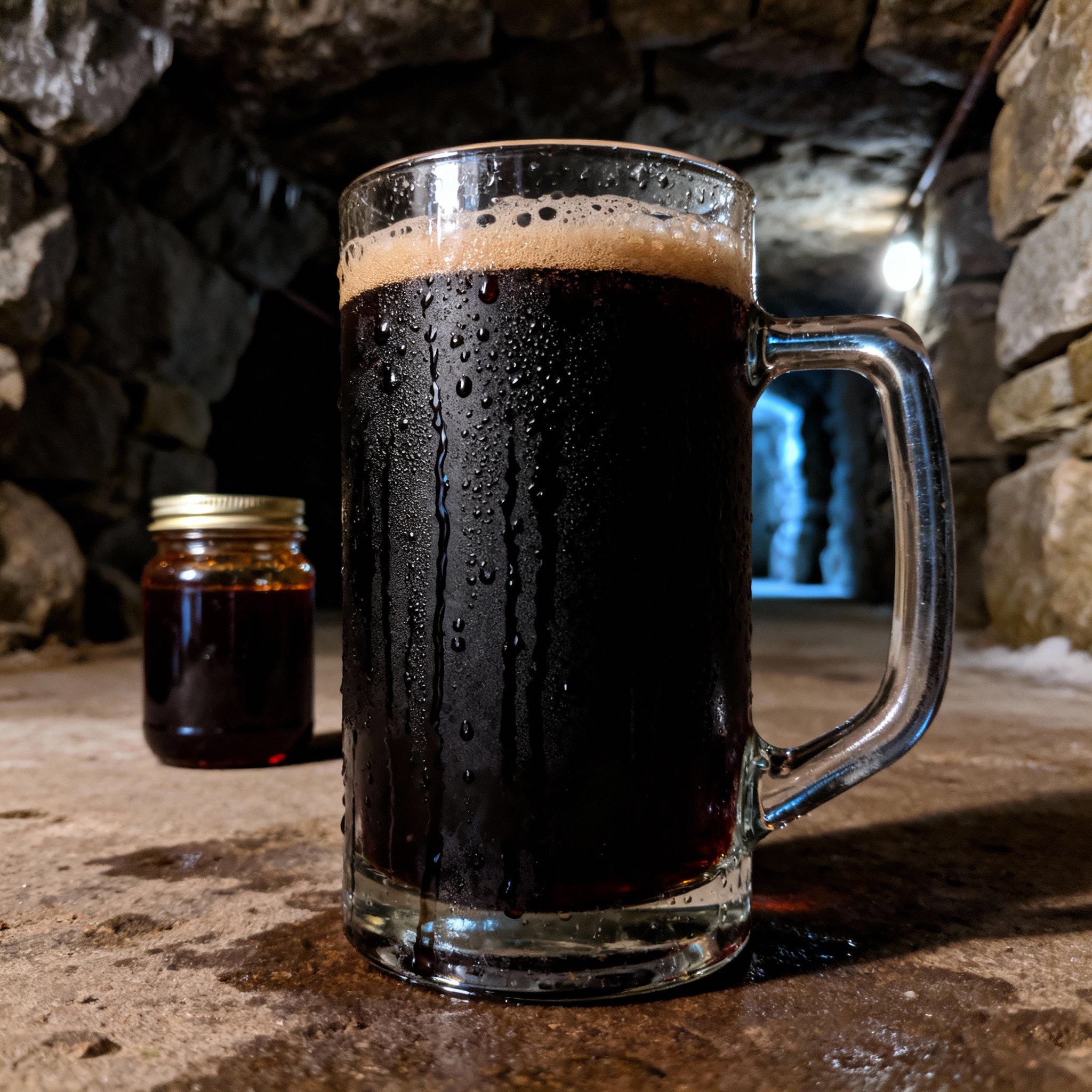
Baltic Porter: The Cold-Fermented Giant.
I brewed my first Baltic Porter on a whim because I had leftover lager yeast in the fridge. I had an Imperial Stout recipe ready, but I wasn’t quite ready to tackle it, so I decided to meet in the middle.
What came out three months later wasn’t a stout, and it wasn’t a typical lager either. It was darker, richer, and cleaner than I expected.
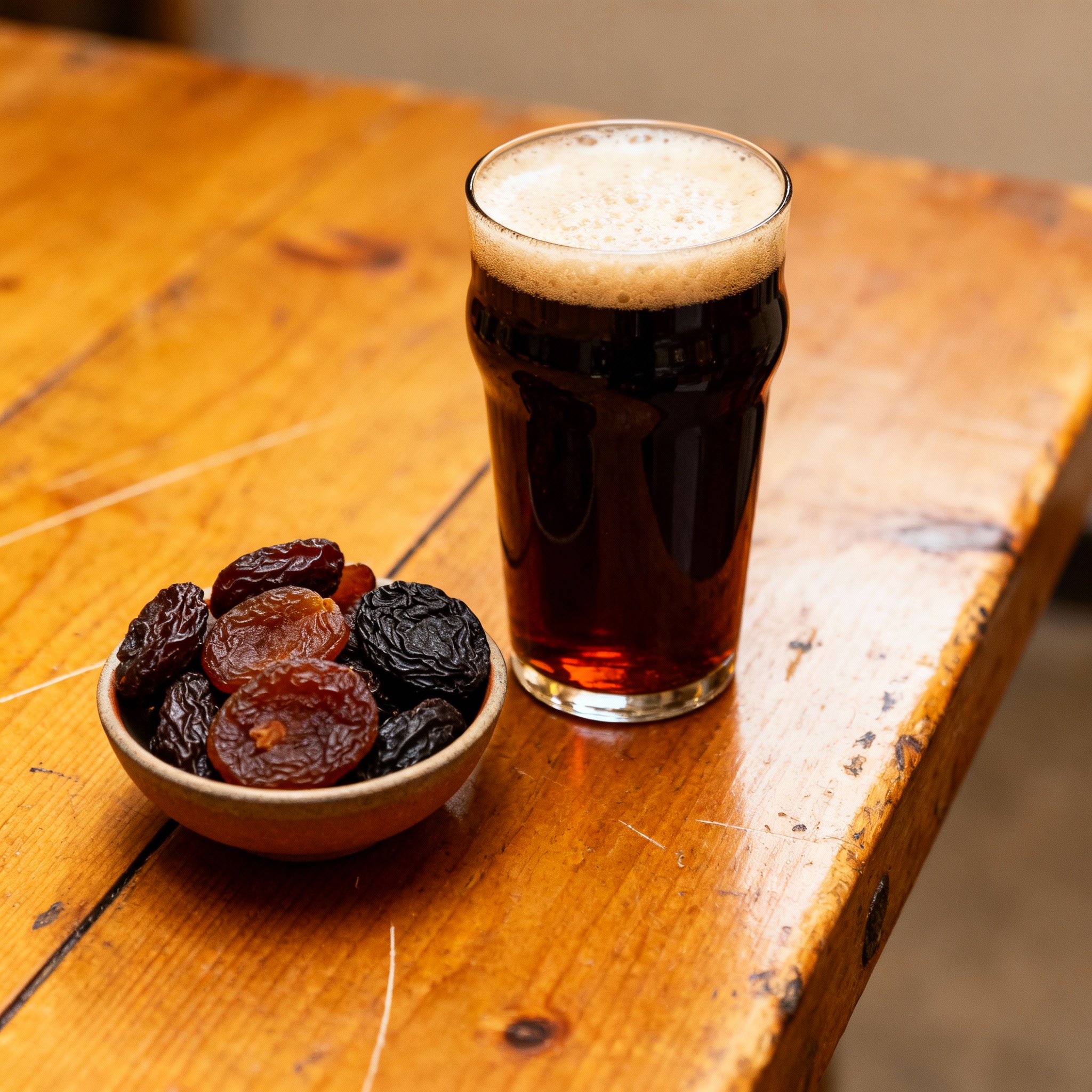
A friend said it tasted like prunes soaked in cold coffee. Honestly, that description is not far off.
Baltic Porter sits in an odd space between worlds. It looks like a Russian Imperial Stout but drinks much smoother.
It uses lager yeast but tastes as complex as any ale. It is strong, dark, and demands patience from the brewer.
This is not a weekend project. This is the beer you start in October and crack open in February when the snow piles up.
Most brewers avoid Baltic Porters because they think they are too fussy. You need temperature control, weeks of cold storage, and a balanced alcohol warmth.
But if you can brew a decent lager and understand how to layer malt, you are already halfway there. The rest is just time and a little trust in your process.
The Yeast Question: Lager Strain at a Crossroads
Most people assume all dark beers are ales, but Baltic Porter breaks that rule. It is brewed with lager yeast, though you don’t treat it like a pilsner.
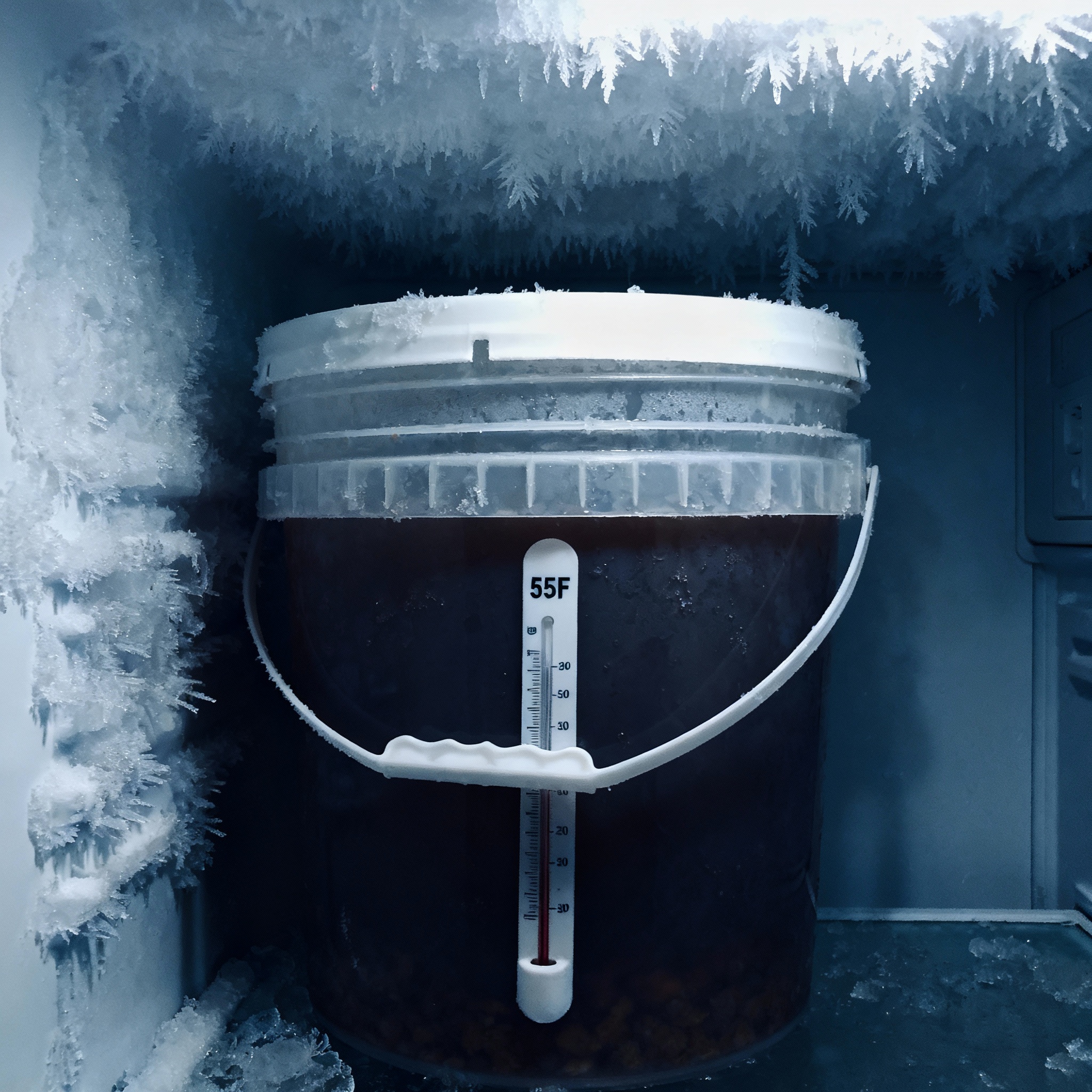
You ferment it warmer than typical lagers, usually around 55°F. This is just warm enough to coax out fruitiness without letting the yeast go wild.
I learned this the hard way during my first attempt. I fermented at 48°F because that is what I did for my Czech Pilsner.
The beer came out clean but flat, with no plum or depth. Bumping the next batch to 55°F made a night and day difference.
Suddenly, dark fruit esters mixed beautifully with the roast. The beer finally had a backbone.
Lager yeast keeps the beer from becoming syrupy or overly estery. You cannot treat it like a Helles, though; you must give it enough warmth to express itself.
Think of it as the middle ground between cold precision and fruity chaos. Some brewers argue you can use a clean ale yeast like US-05, but you lose the subtle sulfur and mineral bite.
Pitch a healthy starter. For a 7-9% beer, you need about 1.5 to 2 times the yeast you’d use for a standard lager. If you underpitch, you’ll get a stuck fermentation or off-flavors that lagering won’t fix.
Malt Complexity: Building Layers Without Bitterness
The malt bill is where Baltic Porter gets interesting. You are not just dumping in chocolate malt and calling it a day.
You need to build complexity without creating harsh, acrid bitterness. This means layering base malts like Munich and Vienna before selecting your dark grains.
I use about 60% Munich malt as the base for a deep, bready sweetness. I then add 15-20% Vienna for extra toastiness.
The rest is a mix of Carafa Special II, a touch of Special B for raisin notes, and a small amount of chocolate malt. Avoid too much roasted barley, as it creates astringency that clashes with the lager finish.
De-husked malts like Carafa or Midnight Wheat are critical for this style. They provide color and roast flavor without the scratchy feeling on the back of your tongue.
I once did a side-by-side test between regular chocolate malt and Carafa Special II. The Carafa version was significantly smoother and rounder.
You also want some crystal malt, but keep it around 5%. This adds body and caramel without making the beer cloying.
Some recipes use dark candi syrup to boost gravity while keeping the finish dry. Mash around 152-154°F to balance alcohol warmth with residual sweetness.
Toast some of your Munich malt in the oven at 350°F for 10-15 minutes before brewing. It adds a subtle nuttiness that deepens the flavor profile without needing extra specialty grains.
ABV Management: Keeping Alcohol Smooth
Brewing a high-gravity beer is easy, but making it not taste like gasoline is the real challenge. Baltic Porters sit in the 7-9% ABV range.
You must manage fermentation carefully to avoid hot, solvent-like flavors. Do not rush the process.
I usually let primary fermentation go for a full 14 days. If you pull it too early, diacetyl or green apple flavors may linger.
High-gravity wort is stressful for yeast. If they are underpitched, they will produce fusel alcohols.
Use a fresh starter and oxygenate the wort heavily. Shaking the fermenter for two minutes is a simple but effective way to help the yeast succeed.
Control your fermentation temperature tightly with a controller. I stay steady at 55°F for the first week, then let it rise to 60°F for a diacetyl rest.
If you’re brewing a version closer to 9% ABV, consider adding 10% of your fermentables as simple table sugar. It boosts the alcohol without adding body, keeping the beer from feeling too heavy.
Lagering: The Long, Cold Wait
Lagering a Baltic Porter is not optional. The beer needs at least three months of cold storage to mellow the alcohol and round off the roast.
I once bottled a batch after only four weeks, and the alcohol was still far too hot. Six weeks later, those same bottles were smooth and rich with notes of dried plum.
Time does things to this style that yeast and malt simply cannot. Lager at 34-38°F using a dedicated fridge if possible.
Anything below 32°F risks stalling the maturation process entirely. During this time, the yeast scrubs out diacetyl and the rough edges finally disappear.
If you’re short on fridge space, lager in Corny kegs instead of carboys. They stack better, seal tighter, and make it easier to rack the beer without introducing oxygen.
Flavor Profile: Dark Fruit and Licorice
The goal of a Baltic Porter is a profile of dark fruit, subtle licorice, and a smooth roasted backbone. It should not taste like burnt coffee or smoke.
The dark fruit notes come from the yeast, the malt, and the aging process. Polish lager strains tend to throw more plum and prune esters than German strains.
Dingemans Special B Malt is your best friend for bringing out raisin and cherry notes. Use it sparingly, around 3-5%, or it might start tasting like cough syrup.
The mouthfeel should be smooth and creamy, but never thick. I aim for a final gravity around 1.018-1.022.
Keep the hops minimal. You only need enough to balance the malt, usually 20-25 IBUs.
Serve this beer slightly warmer than a typical lager, around 50-55°F. Cold temperatures mute the complex dark fruit and licorice notes.
Data Table: Baltic Porter Recipe (5 Gallons)
| Ingredient | Amount | Purpose |
|---|---|---|
| Munich Malt (10L) | 10 lbs | Base malt, bready sweetness |
| Vienna Malt | 3 lbs | Toastiness, depth |
| Carafa Special II | 12 oz | Color, smooth roast |
| Special B | 8 oz | Raisin, dark fruit |
| Chocolate Malt | 6 oz | Roast flavor |
| Crystal 60L | 8 oz | Body, caramel |
| Magnum Hops | 1 oz (60 min) | Bittering (25 IBU) |
| Target OG | 1.075 | High gravity |
| Target FG | 1.020 | Residual sweetness |
| ABV | 7.2% | Balanced strength |
Wrapping It Up
Baltic Porter is not for those seeking instant gratification. It is the beer you brew when you know you will want something strong and dark in a few months.
This beer rewards the patient brewer. If you are comfortable with temperature control, the effort is well worth it.
I still have three bottles left from my last batch. This beer doesn’t need a special occasion; it is the occasion itself.
References
- Daniels, R. (1996). Designing Great Beers. Brewers Publications.
- Palmer, J., & Kaminski, C. (2013). Water: A Comprehensive Guide. Brewers Publications.
- White, C., & Zainasheff, J. (2010). Yeast: The Practical Guide. Brewers Publications.
- Brewers Association. (2021). Style Guidelines.
- Fix, G. (1999). Principles of Brewing Science. Brewers Publications.