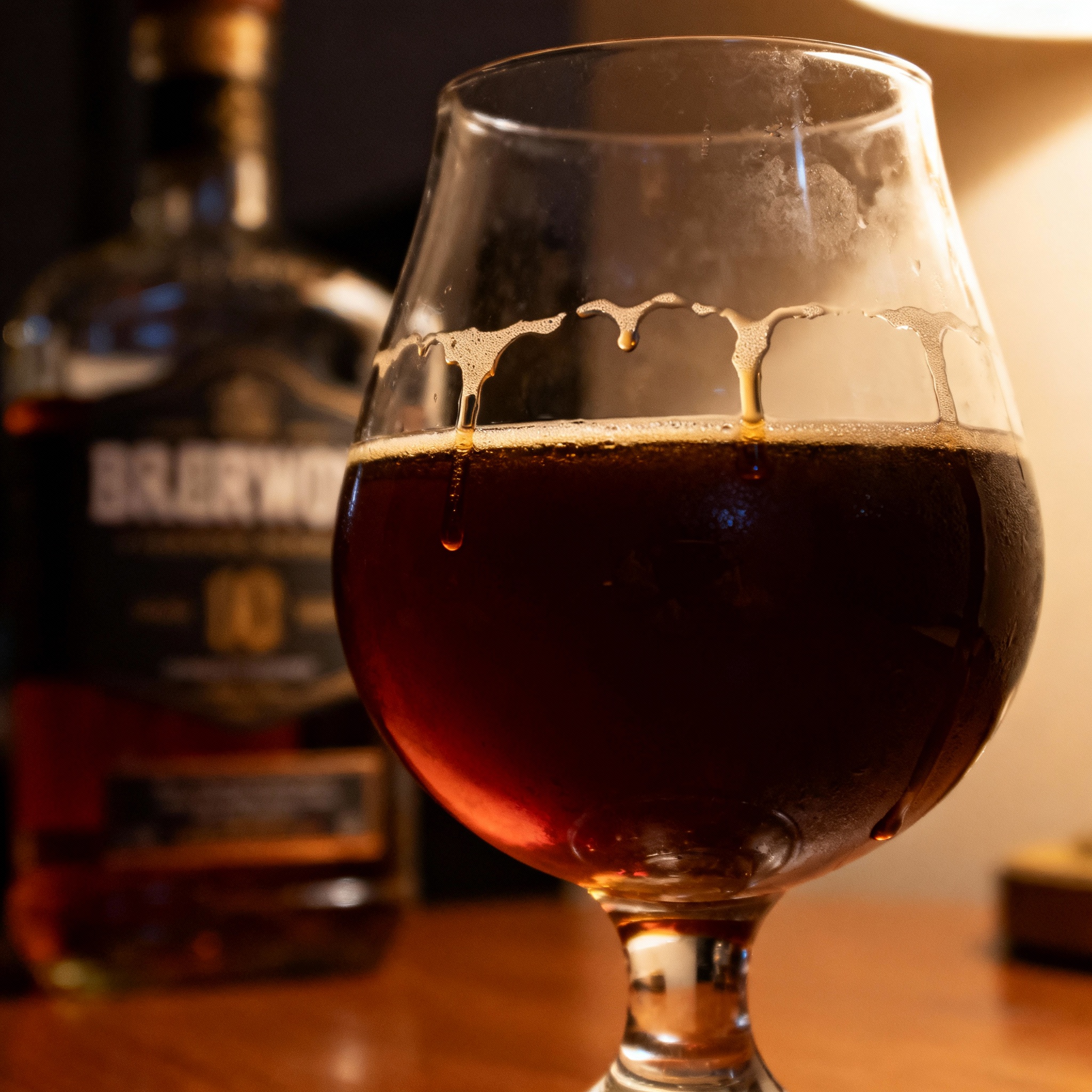
Strong Ales: Adambier, Wheat Wine, and Old Ales
I left a gallon jug of homemade barleywine in my parents’ basement for four years and completely forgot about it. When I finally opened it, the beer had transformed into something resembling a tawny port with notes of dried fig and leather.
Strong ales do not follow the rules of normal beer. They age, they transform, and they reward extreme patience.
Most homebrewers panic when they see 10% ABV on a recipe because fermentation often stalls or the yeast gets stressed. These beers are not meant to be rushed; they are built to sit in a corner for months or even years.
This guide walks through three types of strong ales that age like wine: Adambier, Wheat Wine, and Old Ales. Each requires a different technical approach, but all share one common requirement: time as a primary ingredient.
Historical Giants: Adambier and Mumme
Adambier originated in Dortmund, Germany, in the 1500s as a high-gravity version of altbier. Records describe it hitting 11 to 14% ABV, which is absurdly high for pre-industrial brewing, a fact often noted in historical style guidelines like those from the Beer Judge Certification Program (BJCP).
The beer was dark, smoky, and sour, utilizing a blend of ale yeast and wild lactobacillus before aging in oak for up to a year. Modern recreations start with a grain bill heavy in Munich and Vienna malts with a small portion of smoked malt.
Mumme is even stranger, originating in Braunschweig in the 1400s and brewed so thick it was considered medicinal. Sailors carried it on ships as a nutritional supplement because the wort was boiled for up to 20 hours until it reduced into a syrupy concentrate.
I simulate this by boiling wort down to half its original volume over 4 to 6 hours. This triggers intense Maillard reactions that create deep caramel and toffee flavors that no amount of specialty malt can replicate.
If you’re recreating historical strong ales, don’t aim for perfect accuracy. These beers were inconsistent by nature; focus on the spirit of the style: high gravity, long aging, and bold flavors.
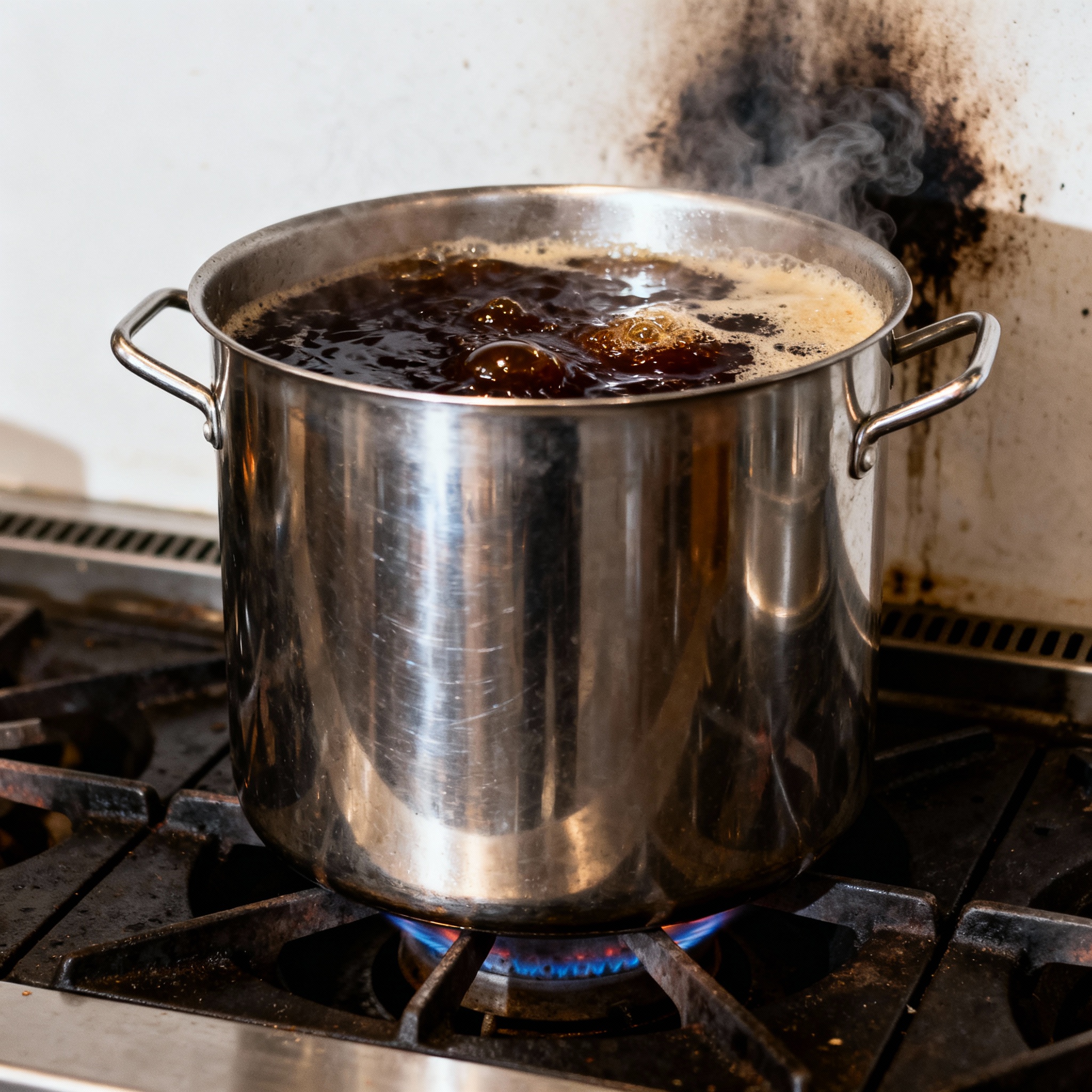
Wheat Wine: The Pale, Velvety Cousin of Barleywine
Wheat wine replaces most of the barley with wheat, resulting in a paler, softer beer with a smoother mouthfeel. While the alcohol still hits hard (9 to 12% ABV), the wheat provides a velvety texture that barley cannot match.
The grain bill typically runs 50 to 70% wheat malt. American varieties like Cascade or Centennial work well for the required 50 to 80 IBUs needed to balance the heavy residual sweetness.
The primary technical challenge with wheat wine is the mash. Wheat has no husk, which creates a dense, gummy layer that can turn your mash tun into a brick.
The solution is rice hulls added at about one pound per five-gallon batch. They create the necessary channels in the grain bed so the wort can flow during the sparge.
If your fermentation stalls above 1.030, don’t panic. Raise the temperature to 72°F and gently swirl the carboy to rouse the yeast. High-alcohol strains like White Labs WLP099 Super High Gravity Ale or Wyeast 1728 Scottish Ale are often necessary to finish these beers completely.
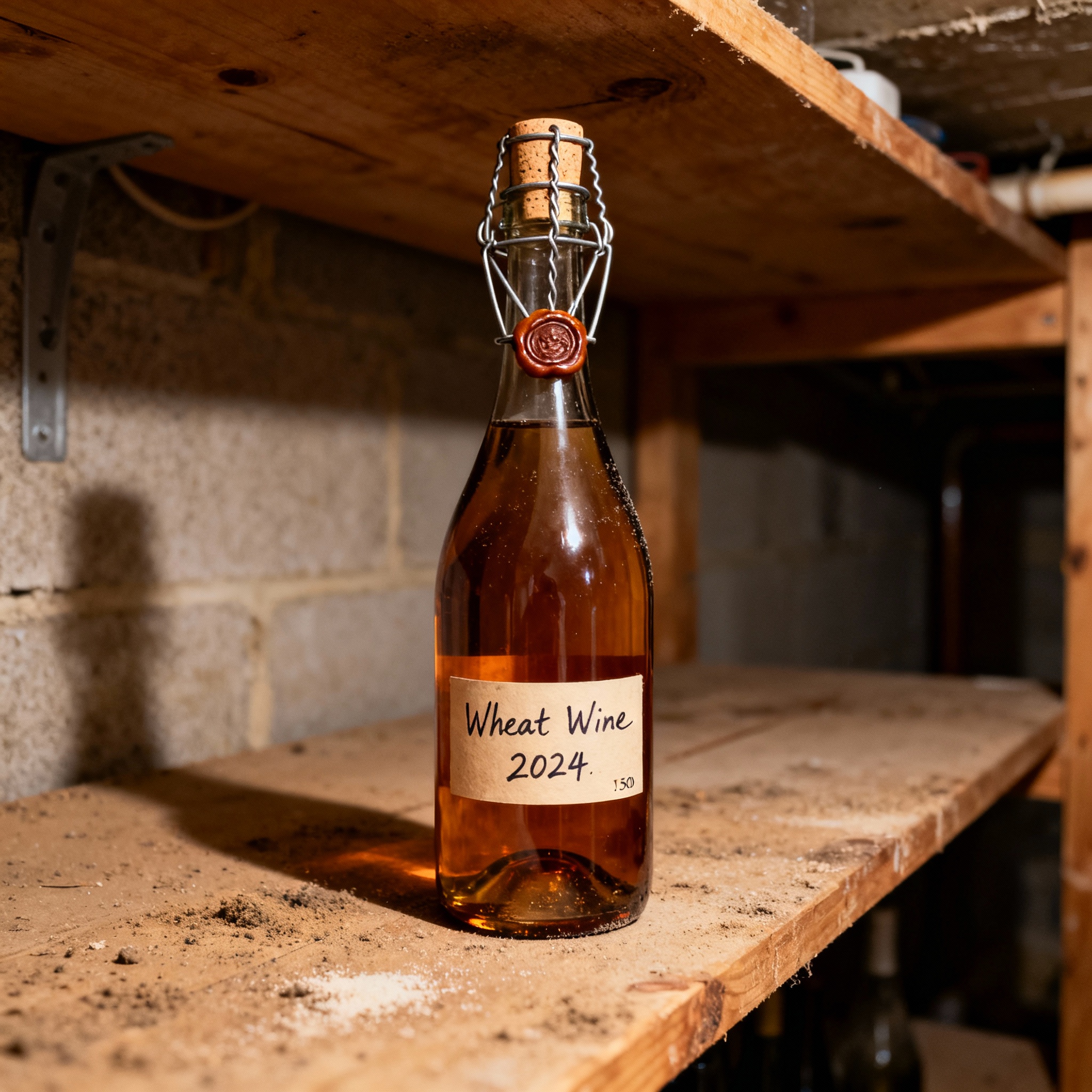
The Long Boil: Caramelizing Wort via Maillard Reactions
Strong ales benefit from 2 to 3-hour boils that concentrate the wort and darken the color. This triggers Maillard reactions that create deep caramel, toffee, and bread-crust flavors.
The Maillard reaction is a chemical reaction between amino acids and reducing sugars that gives browned food its distinctive flavor. In brewing, extended boils at high temperatures facilitate the creation of melanoidins, which provide flavor depth and improve oxidative stability.
The process requires attention to prevent scorching. If you’re using propane, keep the flame low and stir occasionally to avoid burning the sugars onto the bottom of the kettle.
Long boils also drive off more water, so you must account for this when calculating your pre-boil volume. You might need to start with eight gallons of wort to finish with five gallons of beer.
If you can’t commit to a three-hour boil, try a 90-minute boil and add a pound of dark Munich malt to the grain bill. It won’t give you the exact same profile, but it gets you closer.
Aging and Oxidation: Positive Maturation
In most beer styles, oxidation is a flaw that creates cardboard flavors. But in strong ales, controlled oxidation is part of the maturation process, creating notes that resemble sherry, port, or madeira.
Old ales were historically stored in wooden casks that allowed slow oxygen ingress. The beer develops a rich, vinous character over time as it matures in glass carboys with minimal headspace.
After a year of aging, I typically detect dried fruit notes like raisin and fig. After two years, the beer takes on a leathery, tobacco-like complexity.
This maturation works best in malt-forward beers with high residual sugar. The key is controlled cellar conditions, not wild exposure to atmospheric air.
If you’re intentionally aging a strong ale, bottle it with a cork and cage. The cork allows a tiny amount of oxygen exchange, which enhances the maturation process over several years.
Carbonation: Managing Heavy Bodies
Strong ales have thick mouthfeels and high alcohol content. Carbonating them like a pilsner makes them feel bloated and aggressive on the palate.
Lower carbonation (1.5 to 2 volumes) lets the complex malt flavors shine. English old ales were traditionally served with very low carbonation, sometimes as low as 1.2 volumes.
Low carbonation also provides a safety margin against bottle bombs. Strong ales often finish with high residual sugar, and overcarbonating can lead to dangerous pressure if that sugar slowly ferments in the bottle.
If you’re bottle conditioning a strong ale, store the bottles warm (65 to 70°F) for the first two weeks to ensure the yeast can carbonate the beer. Afterward, move them to a cool, dark place for long-term aging.
Conclusion
Strong ales require planning, patience, and the discipline to let things sit for months. They are some of the most rewarding beers a homebrewer can produce.
A well-aged wheat wine or old ale is proof that technical process and time are just as important as the ingredients themselves. Trust the data, manage your yeast, and give the beer the time it needs to transform.
Fermentation and Aging Reference Table
| Beer Style | OG Range | ABV Range | Primary Fermentation | Aging Time | Target CO2 |
|---|---|---|---|---|---|
| Adambier | 1.090-1.110 | 11-14% | 3-4 weeks (mixed) | 6-12 months | 1.5-2.0 |
| Wheat Wine | 1.085-1.120 | 9-12% | 3-4 weeks | 6-18 months | 1.8-2.2 |
| Old Ale | 1.060-1.090 | 6-9% | 2-3 weeks | 3-24 months | 1.5-1.8 |
| Mumme | 1.100+ | Varies | Long boil | 12+ months | Flat to 1.0 |
References
- Daniels, R. Designing Great Beers. Brewers Publications, 1996.
- Foster, T. Pale Ale: History, Brewing Techniques, Recipes. Brewers Publications, 2014.
- Hornsey, I. S. A History of Beer and Brewing. Royal Society of Chemistry, 2003.
- Mosher, R. Tasting Beer. Storey Publishing, 2009.
- Palmer, J., & Kaminski, C. Water: A Comprehensive Guide. Brewers Publications, 2013.