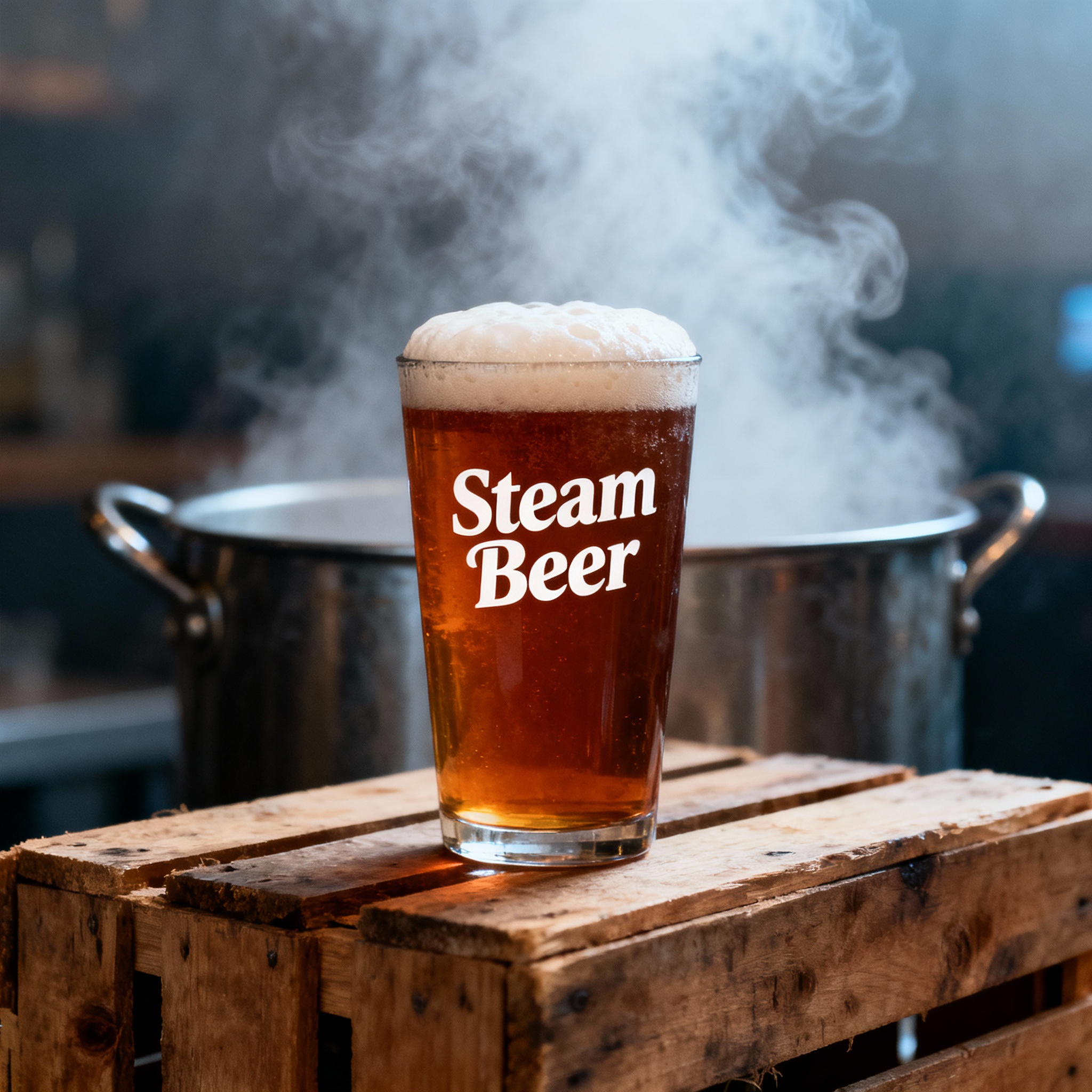
California Common: Steam Beer History.
I was standing in my garage last February, staring at a packet of lager yeast and thinking about my power bill. It was cold outside, but inside the garage, it hovered around 62°F. I had this idea that I could brew a proper lager without spending money on a temperature-controlled fridge.
That’s when I remembered California Common, the beer style that shouldn’t exist but does anyway. Back in the 1850s, San Francisco brewers faced the same problem I did. Thousands of prospectors flooded into the city during the Gold Rush, all of them thirsty for the crisp lagers they remembered from back East.
Refrigeration didn’t exist yet, and shipping ice from the mountains cost a fortune. So brewers in San Francisco did what desperate people always do: they improvised. They took lager yeast, which is supposed to ferment cold and slow, and they let it work in warm cellars.
The brewers used shallow fermenters called “coolships” to maximize surface area and let the cool Pacific fog do some of the work. The result was a fizzy, amber beer known as “Steam Beer” because of the wild hiss that came out of the barrels when they were tapped. This style almost died out, but Anchor Brewing brought it back as Anchor Steam Beer in the 1960s.
The Yeast: Warm Lager Fermentation
The heart of California Common is the yeast. Most lager strains shut down or produce off-flavors if you try to ferment them above 55°F. However, the San Francisco Lager strain is a unique hybrid that tolerates warmth beautifully.
I’ve run this yeast at 62°F in my garage and it worked perfectly. You don’t get the fruity esters of an ale yeast or the sulfur bombs of a stressed lager yeast. It produces a clean, crisp fermentation with a slight minerality that defines the style.
Temperature control is still important, even if you are not chilling to traditional lager levels. The yeast works best between 58°F and 65°F. Above that range, you start getting fruity flavors that don’t belong in a lager.
Pitch a big starter. Even though this yeast tolerates warmth, it still benefits from a high cell count like any lager. Aim for 1.5 to 2 times the cell count you’d use for an ale of the same gravity.
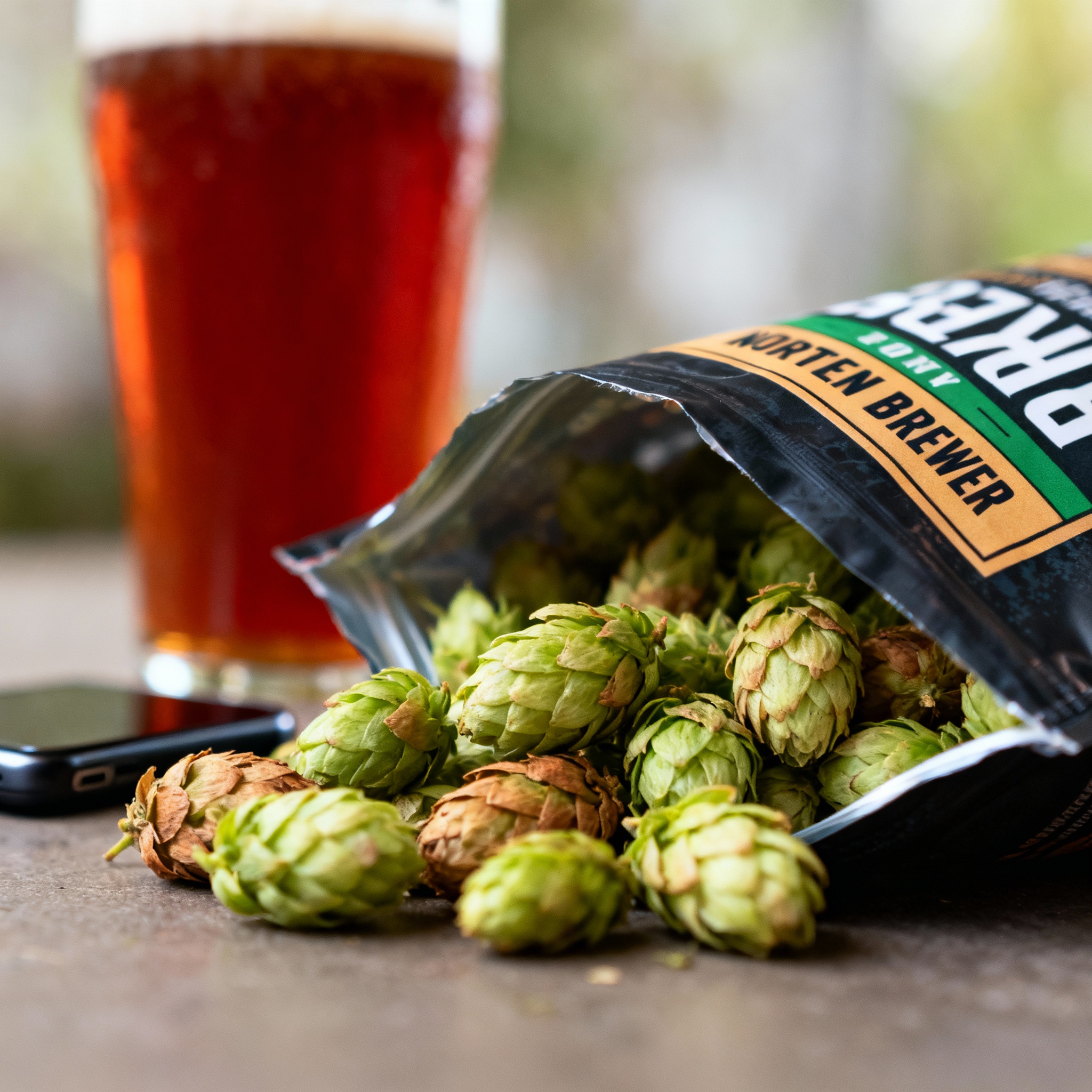
Northern Brewer Hops: Woody, Minty, Rustic
Most American beer styles use Cascade or Centennial hops for a citrusy punch. California Common does not. It relies on Northern Brewer hops, a hop variety that tastes like walking through a redwood forest after a rainstorm.
Northern Brewer has an earthy, slightly minty character that defines the style. It fits the rustic, working-class history of Steam Beer perfectly. These hops were cheap and available in California, so brewers used them heavily for both bittering and aroma.
I once tried brewing this with Magnum and Willamette hops, but it didn’t taste right. It lost that signature minty snap. Northern Brewer isn’t just an option; it is the soul of the flavor.
Aim for 30 to 45 IBUs for a moderate bitterness. Use a 60-minute bittering addition and a final addition at 15 minutes to capture that woody, rustic aroma.
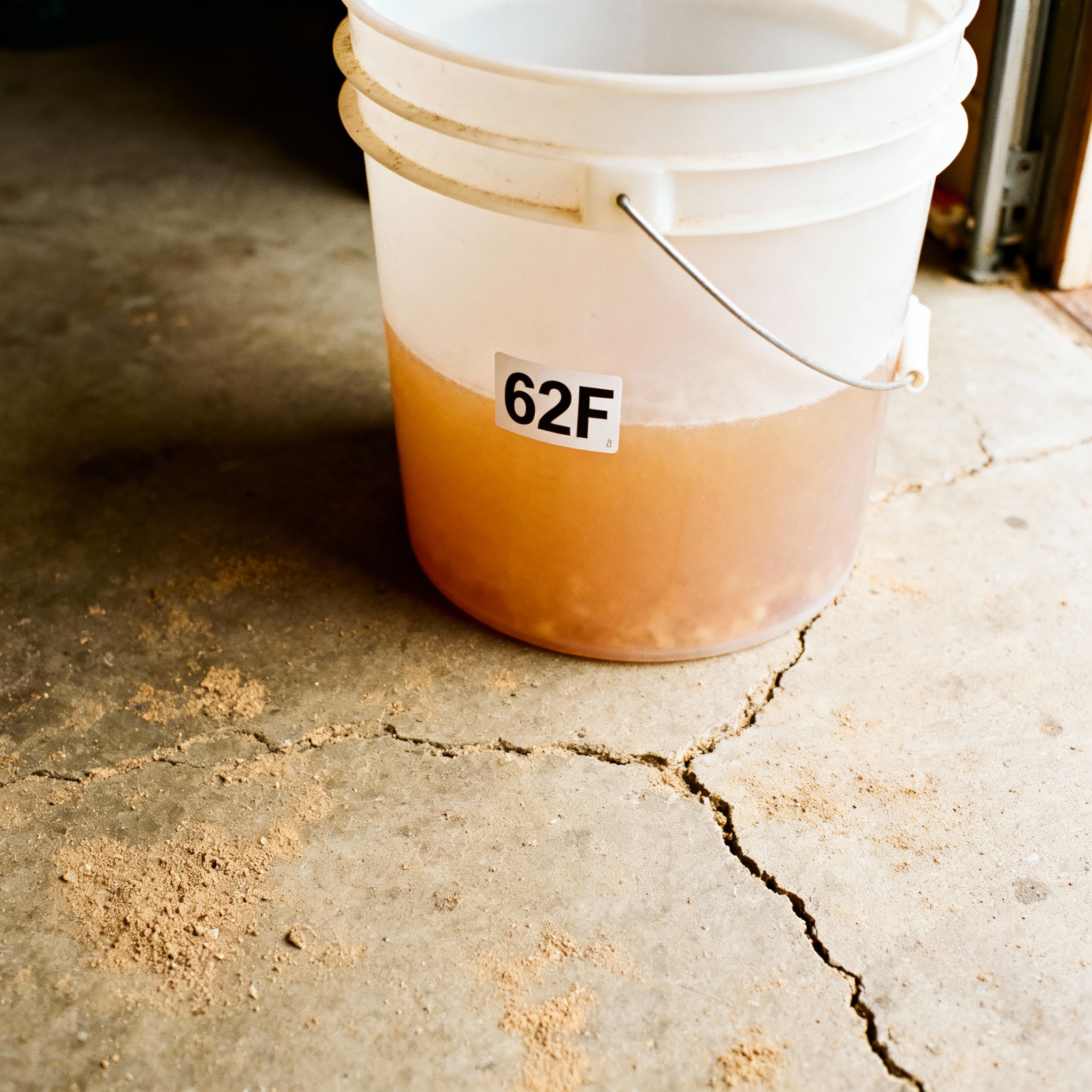
Fermentation Temp: The 60 to 65°F Sweet Spot
Holding steady between 60°F and 65°F is the secret to this style. If it gets too cold, the yeast stalls. If it gets too warm, you get solvent-like alcohols that make the beer taste hot and unrefined.
I brew this in my garage and monitor the ambient temperature closely. I’ve learned to brew California Common in the late fall or early spring when the weather naturally sits in the right range. In the heat of the summer, I simply wait.
Fermentation usually takes about 10 to 14 days at 62°F. I give it an extra week to clean up diacetyl, even though this yeast doesn’t produce much. After that, I let it settle naturally in the cool garage air.
Brew this style in the shoulder seasons of late fall or early spring. That is when your garage or basement will naturally sit in the 60-65°F range without expensive equipment.
Malt Bill: Crystal Malt for Color and Caramel
California Common is a distinct amber beer. It sits right in the middle of the spectrum with a toasty sweetness that comes from crystal malt. The base is usually two-row pale malt, but the signature flavor comes from Crystal 40 or Crystal 60.
I use about 10 percent crystal malt in my recipes to get that reddish-amber color. Too much and the beer gets cloying; too little and it tastes thin. The crystal malt also adds the necessary body to balance the aggressive hops.
Keep the malt profile sweet and toasty rather than roasted. Avoid chocolate or black malts, as they add a roastiness that doesn’t fit the style. If you want a darker hue, simply use a darker shade of crystal malt.
Mash at 152°F to 154°F for a medium body. You want enough residual sweetness to balance the woody hops without making the beer feel syrupy.
Carbonation: High Effervescence and the “Steam” Name
California Common is supposed to be fizzy. It requires higher carbonation than a typical lager to maintain its refreshing character. I aim for 2.7 to 3.0 volumes of CO2, similar to a German Hefeweizen.
This high effervescence gives the beer a lively mouthfeel. The bubbles scrub your palate and make the caramel sweetness feel crisp rather than heavy. It makes every sip feel as refreshing as the first.
If you are bottle conditioning, use a precise priming sugar calculator. I weigh my sugar to avoid gushing bottles. If you are kegging, set your regulator a bit higher than usual and let it sit for a full week.
Serve this beer cold, around 45°F to 50°F. The high carbonation and clean lager character show up best when the beer is properly chilled.
Closing the Loop
California Common reminds us that the best solutions come from constraints. Gold Rush brewers didn’t have luxury, so they adapted with warm yeast and shallow pans. They created a beer that tasted good enough to keep the miners coming back every night.
I brew this style because it fits my garage and my budget perfectly. You don’t need a million-dollar facility or a glycol chiller to make a world-class lager. You just need the right season and a little bit of history in your fermenter.
References
- Anchor Brewing Company. The Story of Anchor Steam Beer.
- Daniels, R. (1996). Designing Great Beers. Brewers Publications.
- Palmer, J., & Kaminski, C. (2013). Water: A Comprehensive Guide.
- White Labs. WLP810 San Francisco Lager Yeast Profile.
- Wyeast Laboratories. 2112 California Lager Temperature Guidelines.