Wild Carbonation: Ginger Bugs, Spruce Tips, and Root Beer.
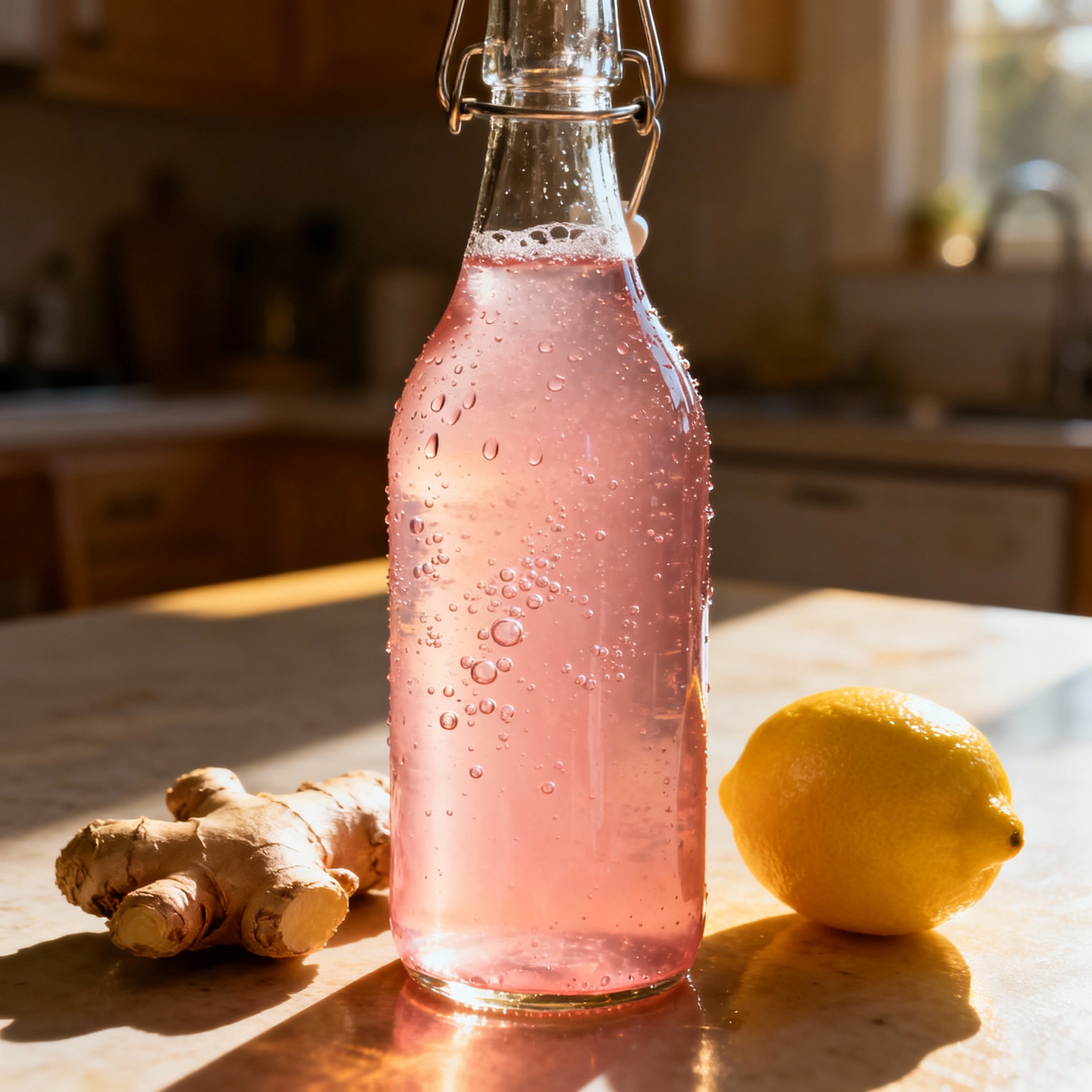
I once left a bottle of homemade ginger soda in my car trunk during a hot August afternoon. When I popped the trunk at the grocery store, I heard a sound like a shotgun blast.
Glass shards, sticky ginger syrup, and foam coated my camping gear, toolbox, and a bag of groceries. A woman two cars over ducked behind her door.
That was the day I learned that wild carbonation doesn’t care about your schedule or your ego. Farming invisible organisms requires respect for the pressure they create.
Capture the wild by feeding yeast and bacteria that live on ginger skin, pine needles, and tree bark. When you get it right, you taste the forest and the fizz in a way that commercial soda can never replicate.
This is not about SodaStreams or CO2 tanks; this is about capturing the wild.
The Ginger Bug: Your Gateway to Wild Yeast
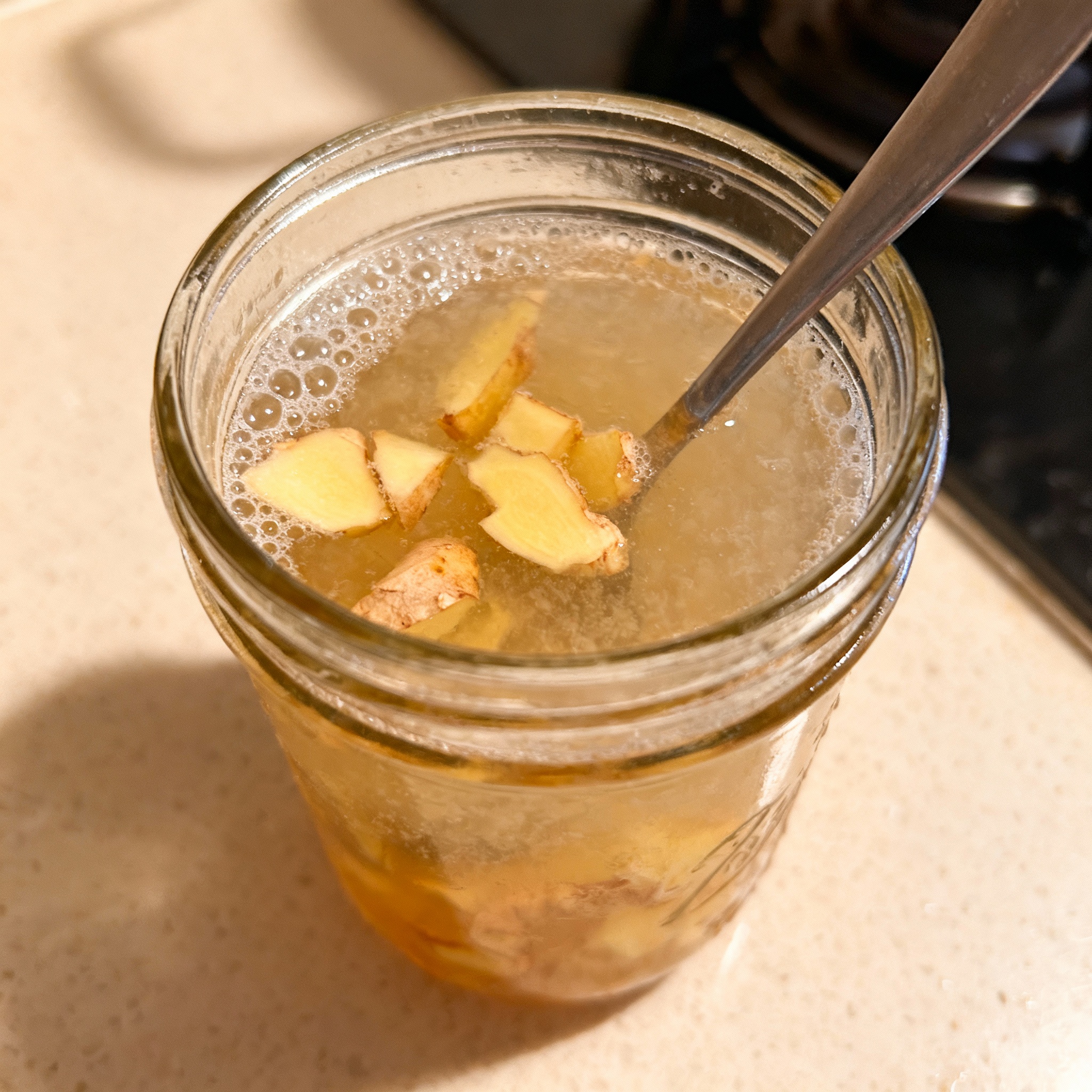
A ginger bug is the simplest wild fermentation starter you can make. It is just grated ginger, sugar, and water left on the counter until it starts to foam.
The yeast and bacteria living on ginger skin wake up, eat the sugar, and multiply. After about five to seven days, you have a living culture that can carbonate anything.
Wild ginger ferments are dominated by Saccharomyces yeast and Lactobacillus bacteria. These microbes work in a symbiotic relationship where the yeast provides CO2 for carbonation while the bacteria produces lactic acid, which prevents spoilage by lowering the pH.
I take a clean glass jar and add two tablespoons of grated ginger with the skin still on. The skin is critical because that is where the wild yeast lives.
Then I add two tablespoons of white sugar and one cup of non-chlorinated water. Chlorine kills yeast, and dead yeast makes flat soda.
If your tap water smells like a swimming pool, let it sit out overnight or use filtered water. Chlorine and chloramine are designed to kill the very organisms you are trying to farm.
Every day for the next five to seven days, I feed it one tablespoon of grated ginger and one tablespoon of sugar. By day three or four, I start to see bubbles.
By day five, it smells yeasty and slightly sweet, like bread dough mixed with ginger ale. That is when I know it is ready.
Spruce Tip Soda: Foraging the Forest
Spruce tip soda tastes like someone mixed lemonade with a pine tree and added bubbles. It is bright, citrusy, slightly resinous, and deeply weird in the best way.
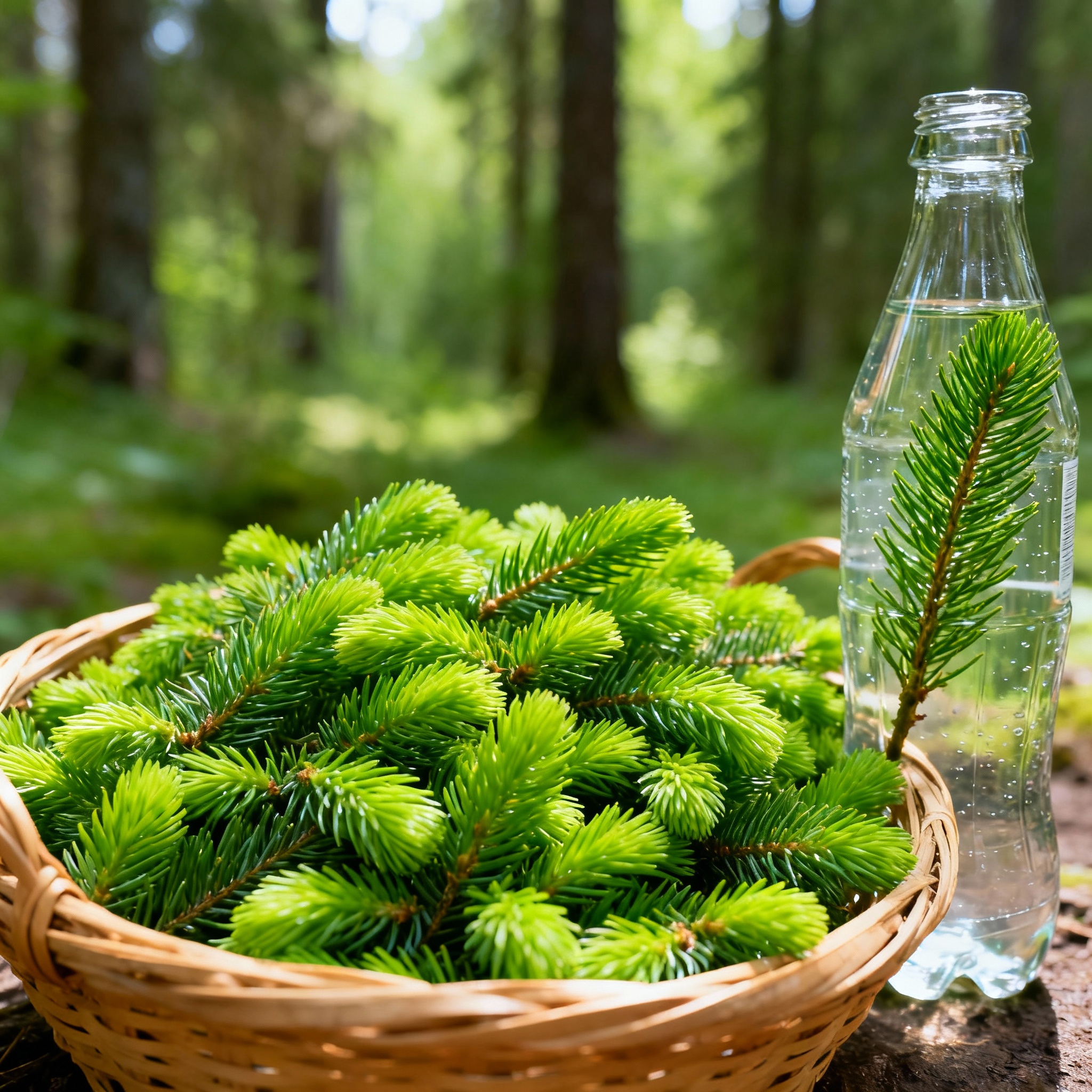
Spruce tips are the bright green new growth that appears in late spring. Harvest them when they are still tender, before they harden into regular needles.
Always harvest spruce tips by pinching them off with your fingers rather than using clippers. This ensures you only take the soft, citrus-forward growth without damaging the woody branch underneath.
I collect about two cups of tips for a gallon batch of soda. I rinse them to remove dust or bugs, then I make a simple tea by steeping them in four cups of hot water for 30 minutes.
After steeping, I strain the tips and add one cup of sugar while the liquid is warm. Let the liquid cool to room temperature before adding the ginger bug, or you will cook the yeast.
Root Beer: The Safety Conversation
Root beer is the most complex wild soda I make, and it is also the one that requires the most caution. Traditional root beer was made from sassafras root, but it contains safrole, which is linked to health risks.
I do not use sassafras at all; I stick to sarsaparilla root and wintergreen leaf. These are safe in reasonable amounts and provide the earthy and minty notes expected in the style.
Avoid yew tips at all costs, as they are toxic. Spruce has square needles that roll between your fingers, while yew features flat, soft needles. Always consult a local foraging guide like the NC State Extension service for positive identification.
I bring four cups of water to a boil, then steep sarsaparilla root, wintergreen leaf, star anise, and a cinnamon stick for 30 minutes. Strain the solids and add one cup of sugar.
Cool it to room temperature before adding a quarter cup of your ginger bug. This version is less sweet than commercial soda and features a more herbal, funky profile.
| Ingredient | Amount (per Gallon) | Role |
|---|---|---|
| Sarsaparilla Root | 2 tbsp | Earthy base note |
| Wintergreen Leaf | 1 tbsp | Sweet, minty finish |
| Star Anise | 1 whole | Licorice complexity |
| Cinnamon Stick | 1 small | Spiced warmth |
Bottle Bombs: The Danger of Glass
Wild carbonation can and will explode glass bottles if you are not careful. I have had bottles detonate in the middle of the night and scar my kitchen. (See bottle bomb safety).
Wild yeast does not stop fermenting just because you bottled the soda. It keeps producing CO2 until the sugar runs out or the bottle reaches its breaking point.
Use the “Plastic Tester Bottle” method. Fill one clean plastic soda bottle from your batch and leave it next to your glass ones. When the plastic bottle feels rock-hard to the touch, move all bottles to the fridge immediately.
Cold temperatures slow down yeast activity to almost nothing. Once the bottles are cold, the carbonation stabilizes.
If you leave bottles at room temperature for too long, the pressure keeps building until something gives. Always open carbonated bottles slowly and point them away from your face.
Back Sweetening and Pasteurization
One common complaint is that wild soda is not sweet enough. Wild yeast eats the sugar you provide, often leaving the drink bone-dry. (This complicates back sweetening).
If you want your soda sweet and fizzy, you must stop the yeast from eating the remaining sugar. One way is pasteurization, which kills the yeast by heating the bottles to 160°F.
Heating a carbonated liquid to 160°F for several minutes effectively denatures the proteins in the yeast cells. This stops fermentation permanently, allowing residual sugar to remain in the beverage for a sweeter profile.
Alternatively, you can add non-fermentable sweeteners like stevia or monk fruit. These provide sweetness that the yeast cannot eat, though they can sometimes leave a bitter aftertaste.
I prefer to accept that wild soda is less sweet than commercial versions. Your palate eventually adjusts to the dry, tangy profile of a natural ferment.
Conclusion
Wild carbonation is a negotiation with invisible life forms. Some batches come out beautifully balanced and complex, while others might fail or over-carbonate.
You learn by doing, by failing, and by keeping a detailed notebook of your ratios and times. I still screw up about one in every eight batches, but that is part of the charm.
When you pour a glass of forest-flavored spruce soda for a friend, you remember why you do it. You created something alive using only ginger skin, sugar, water, and time.
References
- North Carolina State University Extension. Tree Identification for Foragers. NC State Extension Publications.
- University of Minnesota Extension. Safe Foraging Practices for Wild Edibles. UMN Extension.
- Katz, Sandor Ellix. The Art of Fermentation. Chelsea Green Publishing.
- User-provided article text on Wild Carbonation: Ginger Bugs, Spruce Tips, and Root Beer.