The Niche Ferments: Sake, Tepache, and Distiller's Wash.
I have fermented sauerkraut in mason jars, brewed beer in buckets, and made kombucha until my fridge looked like a SCOBY graveyard. Once you get comfortable with standard ferments, you start wondering what else is possible beyond the safe stuff.
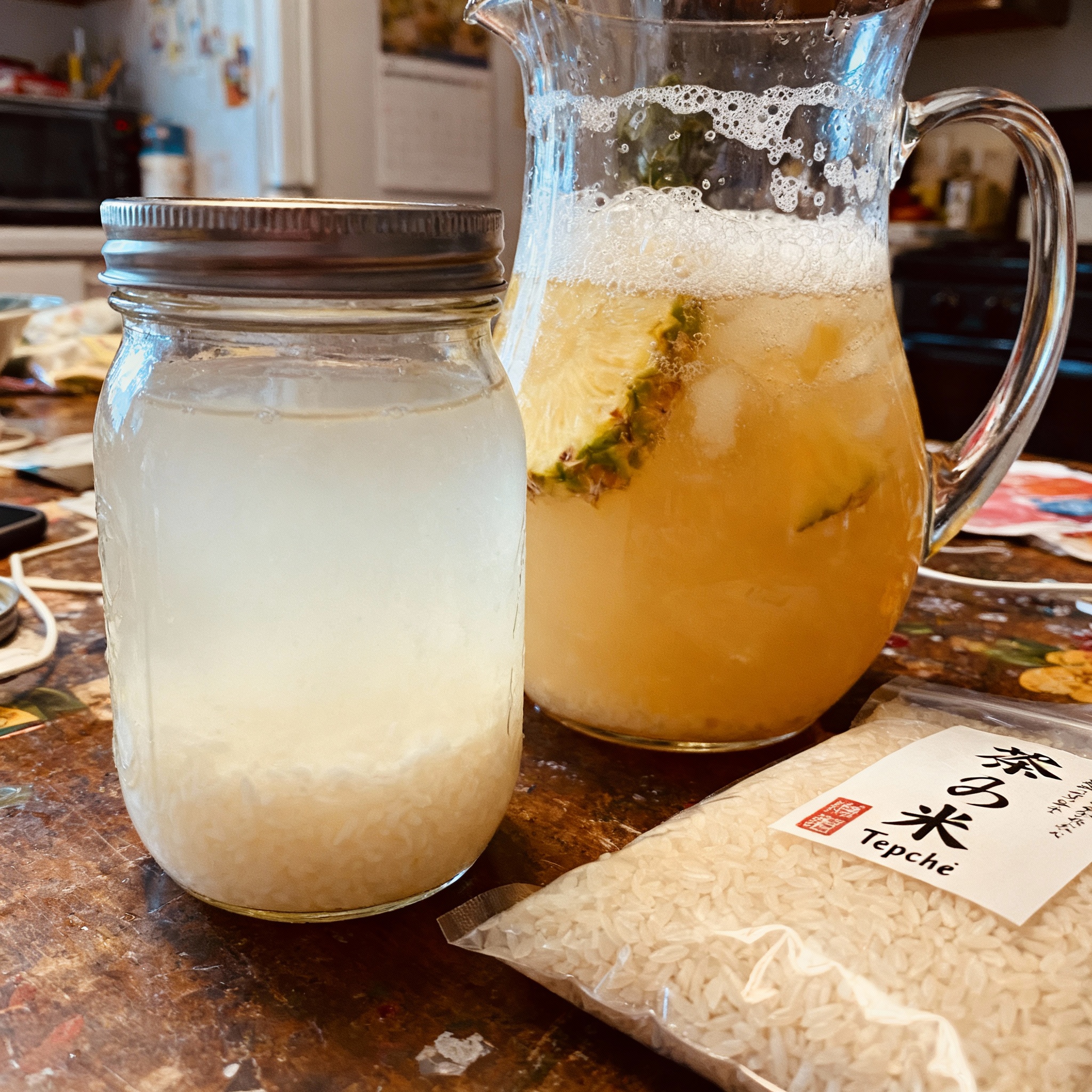
Last winter, an ice storm knocked out my power for three days, leaving me with pineapple rinds, jasmine rice, and a packet of turbo yeast. I decided to start my first sake batch, throw together a tepache, and learn why distiller’s wash works like rocket fuel.
These ferments sit on the fringe and require different microbes and strategies than your average pickle. Pushing these boundaries teaches you more about fermentation at a deeper level than a dozen batches of kraut ever could.
Sake Basics: The Parallel Fermentation Beast
Sake is technically a rice beer that is polished, steamed, and inoculated with mold rather than a traditional wine. Because rice has no natural sugar, you must use a mold called Aspergillus oryzae, or koji, to break down starches.
The koji mold produces enzymes that convert starch into glucose while yeast simultaneously converts that glucose into alcohol. This process is known as parallel fermentation, allowing sake to hit 18 to 20 percent ABV without distillation.
Unlike beer, where mashing and fermentation are separate steps, sake utilizes parallel fermentation. Enzymes from the koji mold and the yeast cells work in the same vessel at the same time to create high-gravity alcohol.
The process begins by steaming rice until it is cooked but not mushy, then cooling it to 30°C to sprinkle the koji spores. After 48 hours of keeping the rice warm and fuzzy, it should smell sweet and nutty like chestnuts.
If your koji rice smells like ammonia or turns green, it is contaminated and must be tossed. High-quality koji should always smell sweet and earthy.
Tepache: Fast Tropical Wild Fermentation
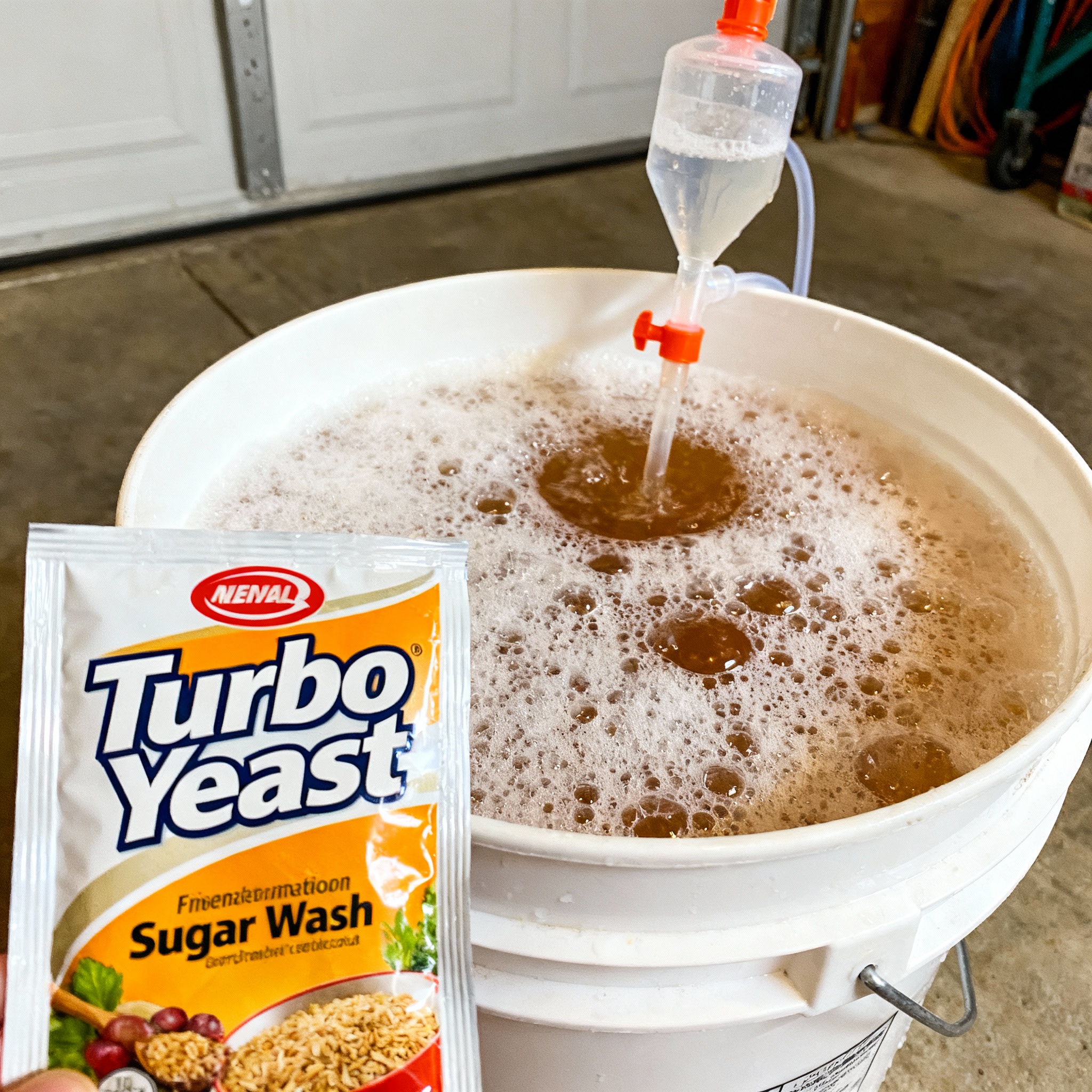
Tepache is an incredibly fast and forgiving Mexican drink made from pineapple rinds and piloncillo sugar. It relies on wild yeast found naturally on the fruit skin and is usually ready to drink in just three days.
To make it, simply throw pineapple rinds and 100 grams of brown sugar into a jar with 1.5 liters of water. Cover it loosely with a cloth to allow airflow, as this wild ecosystem needs room to breathe.
Within 12 hours, you will see bubbles as the natural yeast and Lactobacillus begin eating the sugar. The resulting drink is low in alcohol (2-3%) and features a sweet, tangy, and effervescent profile.
Studies have found over a dozen different yeast and bacteria strains in a single batch of tepache. This wild ecosystem creates a complex probiotic soda that varies significantly with every harvest.
Always use organic, unwaxed pineapples to ensure a robust wild yeast population on the skin. If white “kahm” yeast forms on the surface, simply skim it off; it is harmless but can flatten the flavor.
Distiller’s Wash: High-Gravity Fuel
Distiller’s wash is a high-alcohol ferment designed purely for yield rather than immediate consumption. It involves pushing yeast to its absolute limit by cramming as much sugar as possible into the water.
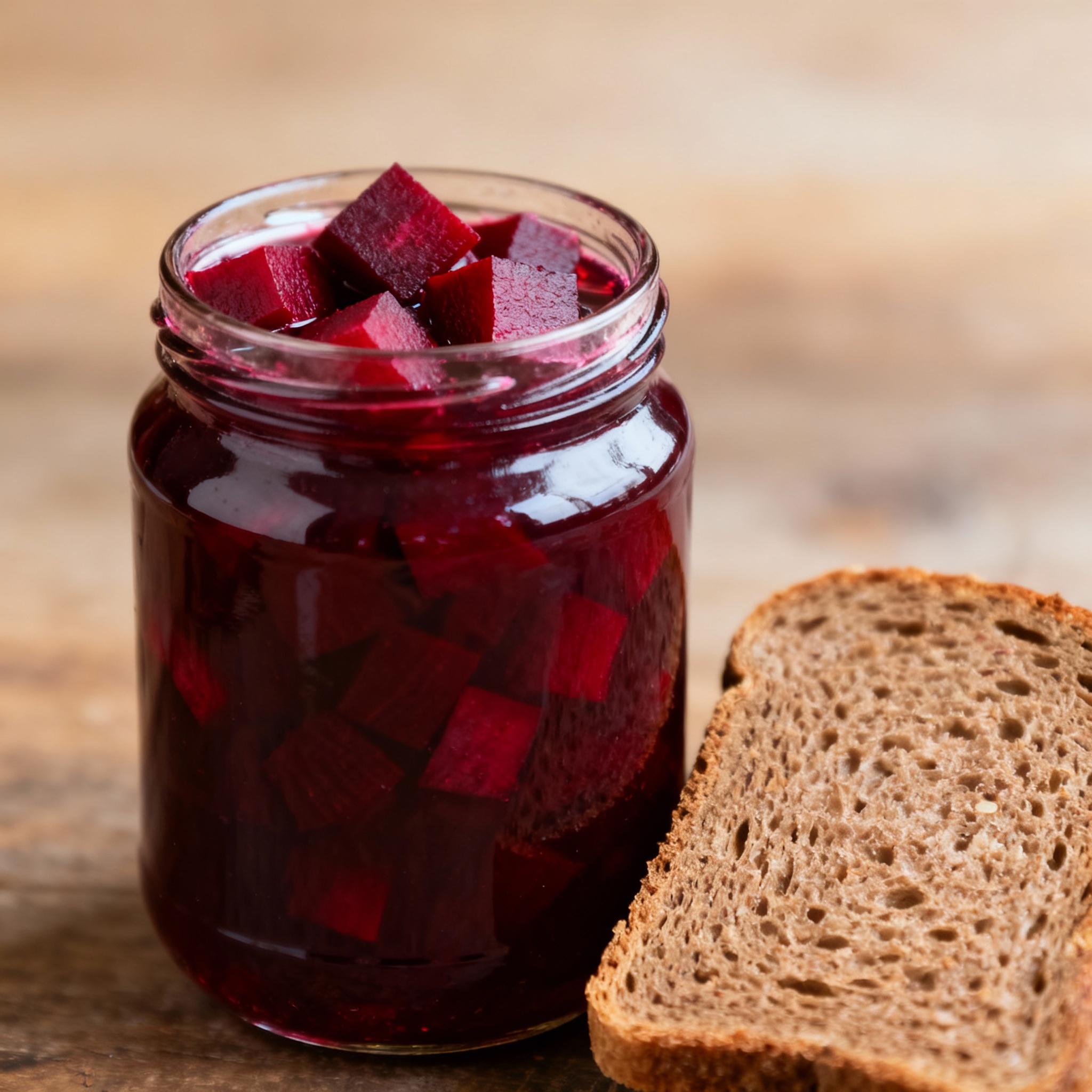
I experimented with a wash using 6 kilograms of sugar in 20 liters of water, creating a massive starting gravity of 1.100. Using “turbo yeast,” which is bred for ethanol tolerance, the fermentation becomes extremely violent and generates significant heat.
Within five days, the yeast can chew through almost all the sugar, leaving a harsh liquid around 14 to 20 percent ABV. While this is usually distilled into neutral spirits - a technique taught by the Institute of Brewing & Distilling (IBD) - it serves as a great lesson in yeast stress and nutrient management.
Turbo yeast is a specialized strain of Saccharomyces cerevisiae blended with high-nitrogen nutrients. This allows the yeast to survive the toxic effects of high ethanol concentrations and low pH environments that would kill standard ale yeast.
Turbo yeast produces intense heat during fermentation. If the vessel exceeds 35°C, the yeast may die or produce offensive “paint thinner” off-flavors, so keep the wash in a cool area.
Kvass: The Slavic Bread Tonic
Kvass is a traditional Slavic ferment made from either toasted rye bread or chopped beets. It is a salty, earthy probiotic tonic with a very low alcohol content, typically under 1 percent.
Beet kvass is made by submerging chopped beets in salted water for three to five days. This fermentation is driven by Lactobacillus bacteria, which thrive in the salty environment while spoilage organisms are suppressed.
Bread kvass uses toasted rye bread soaked in warm water with a bit of sugar and wild yeast. The result is a dark, slightly sour liquid that tastes like liquid sourdough malt.
If your beet kvass smells like rotten eggs or sulfur, it has likely been contaminated by anaerobic bacteria like Clostridium. Ensure your beets stay fully submerged beneath the brine to maintain a healthy environment.
Safety and Spoilage Management
Niche ferments involve complex microbial environments that require more monitoring than a standard ale. While methanol is not a concern unless you are distilling, spoilage organisms like Acetobacter can turn your hard work into vinegar.
Managing pH is the most important safety step; FDA Food Safety guidelines note that a pH below 4.6 prevents the growth of dangerous bacteria like Clostridium botulinum. I always use pH test strips for any experimental ferment to ensure it is safe for consumption.
Stressed yeast can produce “fusel alcohols,” which are heavier alcohols known to cause headaches. Keeping fermentation temperatures below 20°C is the most effective way to minimize these byproducts.
Niche Fermentation Parameters
| Ferment Type | Primary Organism | Temperature (°C) | Alcohol (%) | pH Range |
|---|---|---|---|---|
| Sake | Koji & Yeast | 15-18 | 14-20 | 4.0-4.5 |
| Tepache | Wild Yeast & Lacto | 18-32 | 2-3 | 3.5-4.0 |
| Distiller’s Wash | Turbo Yeast | 20-30 | 14-20 | 3.0-4.0 |
| Beet Kvass | Lactobacillus | 18-24 | < 1 | 3.8-4.4 |
Conclusion
Niche ferments take more attention and troubleshooting than a standard jar of pickles, but the educational reward is immense. Sake teaches parallel fermentation, tepache proves wild success, and kvass provides a unique probiotic tonic.
If you are bored with the usual brews, start with tepache since it is fast and forgiving. From there, move to sake for a technical challenge or kvass for something truly weird. Measure your pH, control your temperature, and keep experimenting.
References
- User-provided article: The Niche Ferments: Sake, Tepache, and Distiller’s Wash.