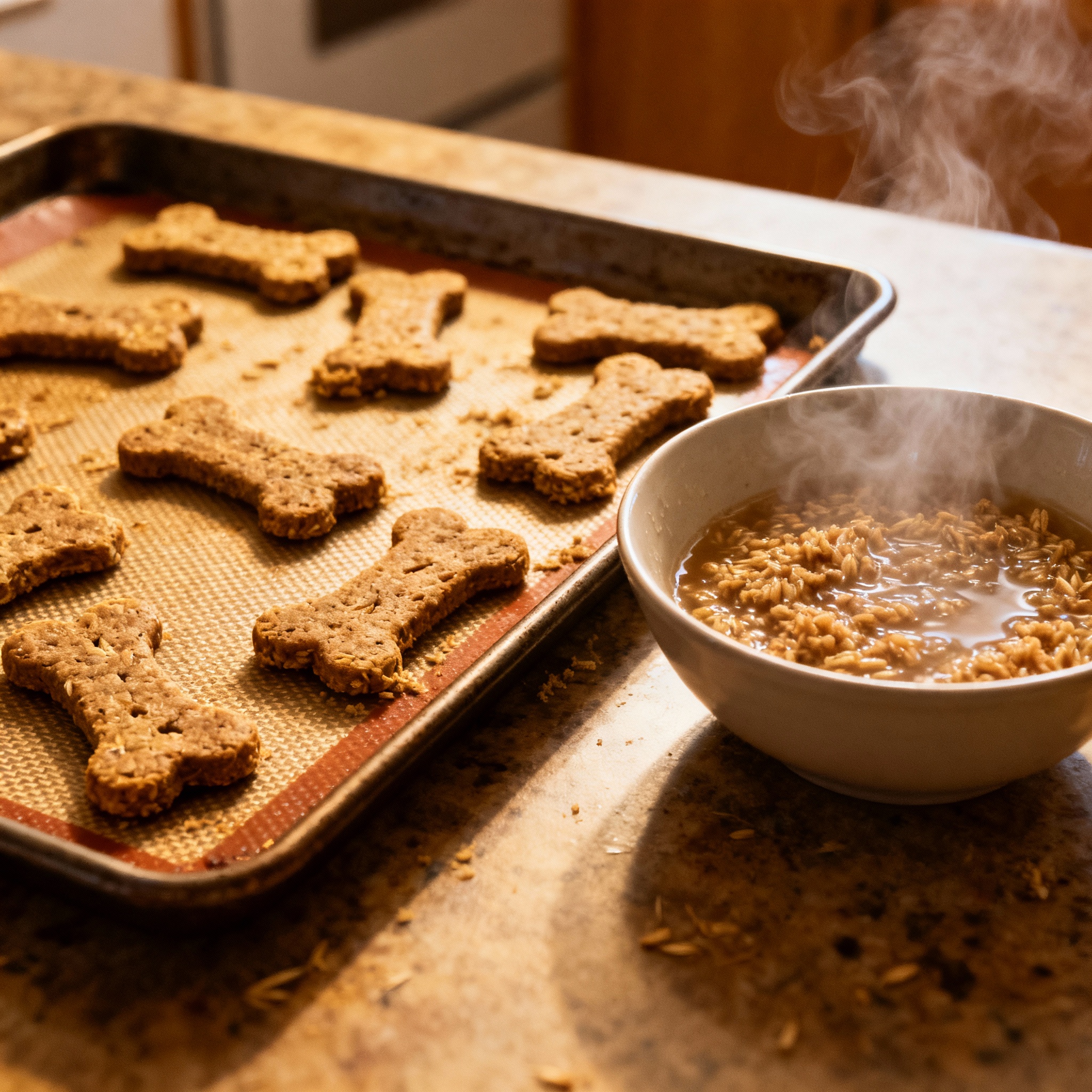
The Ultimate Spent Grain Cookbook: Burgers, Spreads, and Biscuits.
I used to throw away 20 pounds of wet grain every weekend. It sat in a bucket behind the garage until trash day, and honestly, it felt wrong.
This wasn’t random compost; this was malted barley that cost me $2 per pound. One Saturday, I spread a few cups on a baking sheet and dried it in the oven.
The smell hit me first: warm, bready, and almost like granola. I ground a handful in my coffee grinder and tasted it. Nutty, sweet, and dense. That was the moment I stopped treating spent grain like trash and started treating it like an ingredient.
Drying and Milling Your Grain
Spent grain is roughly 80% water when it comes out of the mash tun. If you store it wet for more than 48 hours without refrigeration, it will mold quickly.
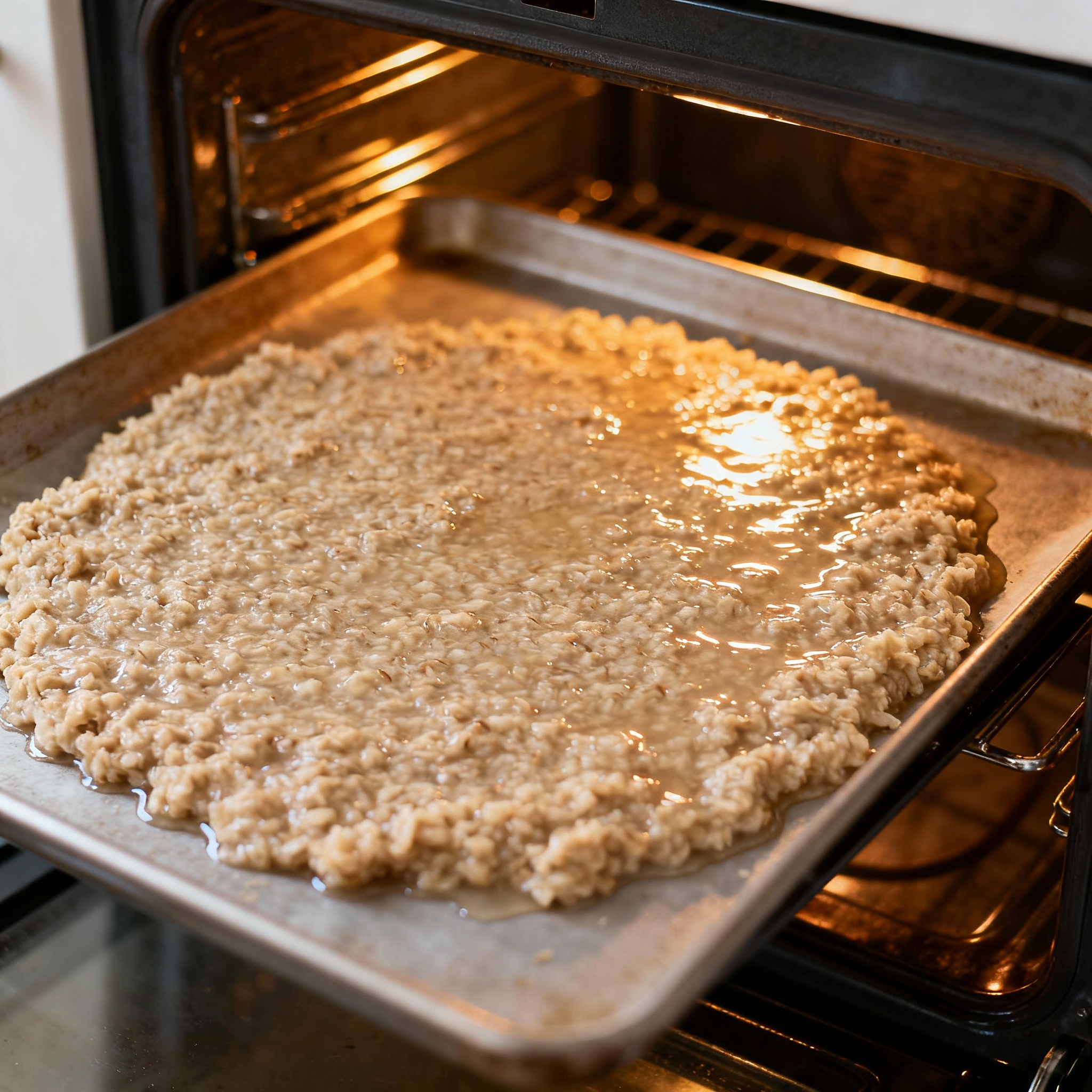
Spread the grain in a thin layer on baking sheets and set your oven to 200°F. Leave the door cracked with a wooden spoon to let moisture escape, and stir every 30 minutes.
It takes about three to four hours for the grains to feel brittle and snap between your fingers. Once dried, run the grain through a coffee grinder or a grain mill to create a coarse, high-fiber flour.
Spent grain flour is highly hygroscopic, meaning it absorbs moisture much more aggressively than all-purpose flour. This is due to the concentrated husk fiber remaining after the starches have been converted and rinsed away during the mash.
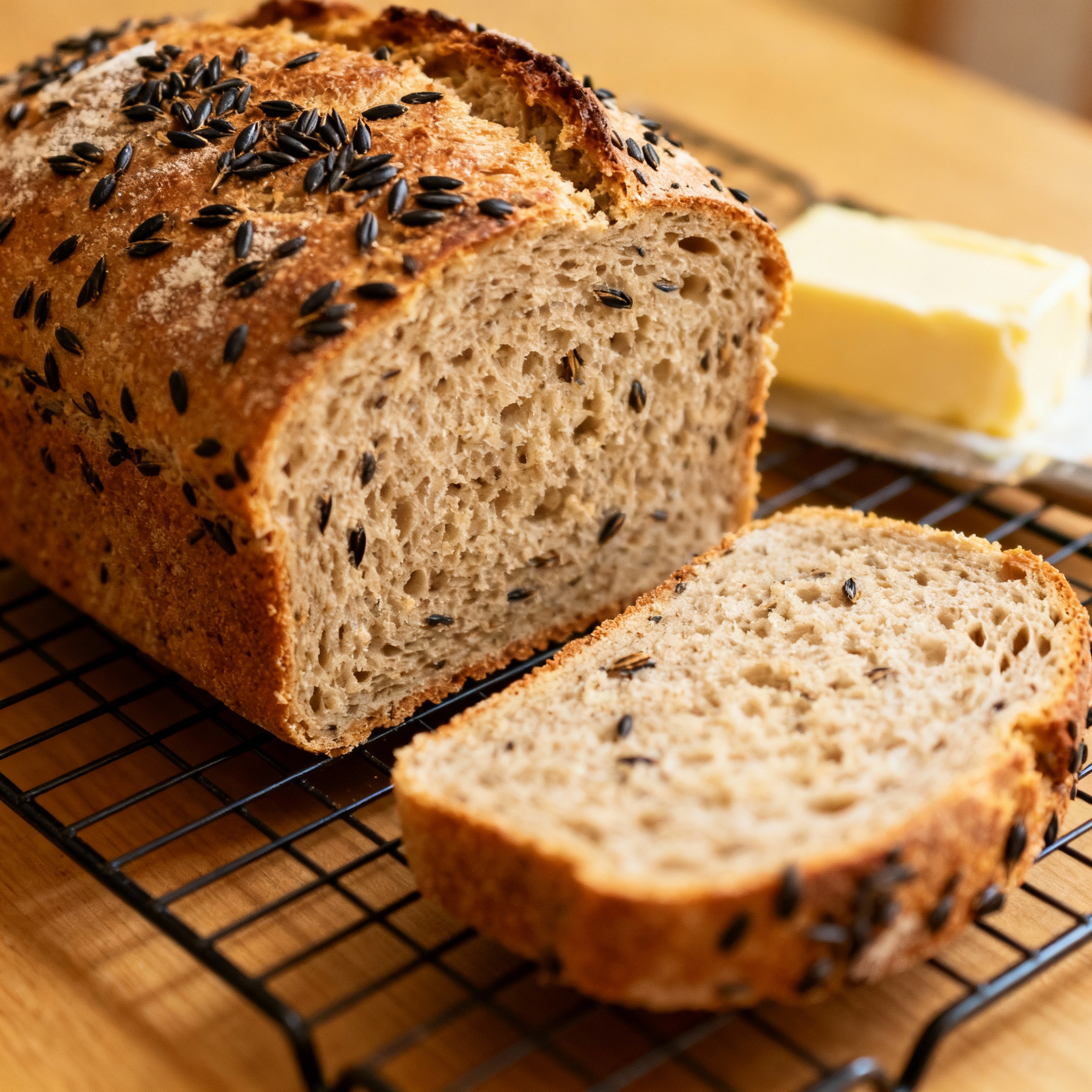
Mark the date and batch number on your storage jars. Pale malt flour tastes significantly different than roasted barley flour, and tracking this helps you match the flour to the right recipe.
The “Trub” Burger: Umami Binders
Trub is the trub at the bottom of your fermenter containing dead yeast cells, hop particles, and coagulated proteins. Most brewers dump it, but this is actually free umami sitting in your carboy.
When yeast cells break down through autolysis, they release glutamates-the same compounds that make mushrooms and aged cheese taste savory. I use trub as a binder for veggie burgers because it has the same sticky texture as egg whites.
My tested ratio is one cup of wet trub to two cups of cooked lentils, one cup of spent grain flour, and half a cup of breadcrumbs. The trub should coat everything like a thick, savory paste.
If your trub is too bitter from heavily hopped IPAs, rinse it once with cold water and let it settle for 30 minutes. You will lose some intensity but make the patties much more palatable.
Brewer’s Yeast Spread: The Marmite Clone
You can make a rough equivalent to Vegemite or Marmite from spent brewer’s yeast. This requires patience and a high tolerance for strong, pungent smells during the reduction process.
Start with two cups of washed yeast slurry, specifically the healthy middle layer of yeast slurry after the trub has settled. Rinse it twice with cold water to remove residual hop bitterness before cooking.
Transfer the yeast to a saucepan with a tablespoon of salt and heat over low heat for 45 to 60 minutes. The yeast will break down and reduce into a thick, glossy, and intensely savory paste.
Heating the yeast slurry triggers an accelerated autolysis where the cell walls rupture. This releases intracellular enzymes and proteins that concentrate into the dark, salty spread characteristic of traditional yeast extracts.
Add a pinch of MSG to the yeast while it cooks to amplify the umami profile. This brings the homemade version much closer to the flavor profile of commercial spreads.
The 60% Hydration Rule
Most spent grain baking fails because brewers treat the flour like a 1:1 substitute for wheat. Spent grain flour absorbs about 40% more water than regular flour because of the high fiber content.
To prevent “brick biscuits,” follow the 60% hydration rule: 60 grams of liquid for every 100 grams of flour. For pizza crust, increase this to 65% to ensure the dough remains stretchy enough to roll thin.
| Recipe | Hydration Target | Key Benefit |
|---|---|---|
| Biscuits | 60% | Prevents dense, “river stone” texture |
| Pizza Crust | 65% | Maintains elasticity and toasted flavor |
| Pasta | Variable | Higher fiber content and nutty finish |
If your dough feels too sticky, let it rest for 10 minutes instead of adding more flour. The spent grain needs extra time to fully absorb the liquid and stabilize the dough.
Granola and Pasta: Using Wet Grain
Not every recipe requires the effort of drying and milling. Wet spent grain works well for granola and pasta as long as it is used immediately after the mash.
For granola, mix wet grain with oats, honey, and oil, then bake at 300°F until the honey caramelizes. For pasta, mix one cup of wet grain with two eggs and flour to create a stiff, high-fiber noodle.
Wet spent grain is a perfect growth medium for bacteria due to its moisture and residual sugar content. Always use wet grain within two hours of the mash or freeze it immediately in vacuum-sealed portions to prevent spoilage.
Conclusion
Spent grain is not a compromise ingredient; it is legitimately good food if you treat it right. The trub burgers offer more flavor than store-bought patties, and the biscuits provide a satisfying, malty depth.
I have wasted a lot of food figuring these ratios out, but now I know nothing has to go in the trash. The grain becomes flour, the trub becomes burgers, and the loop is finally closed.
Start small by drying a single cup of grain and baking one test biscuit. Once you understand the hydration needs, you will never look at your mash tun waste the same way again.
References
- University of California, Davis. “Yeast Autolysis and Flavor Development in Brewing.”
- King Arthur Baking Company. “Working with High-Fiber Flours.”
- Oregon State University Extension Service. “Food Preservation: Drying Grains and Flours.”