The Solera Project: Perpetual Sour Beer.
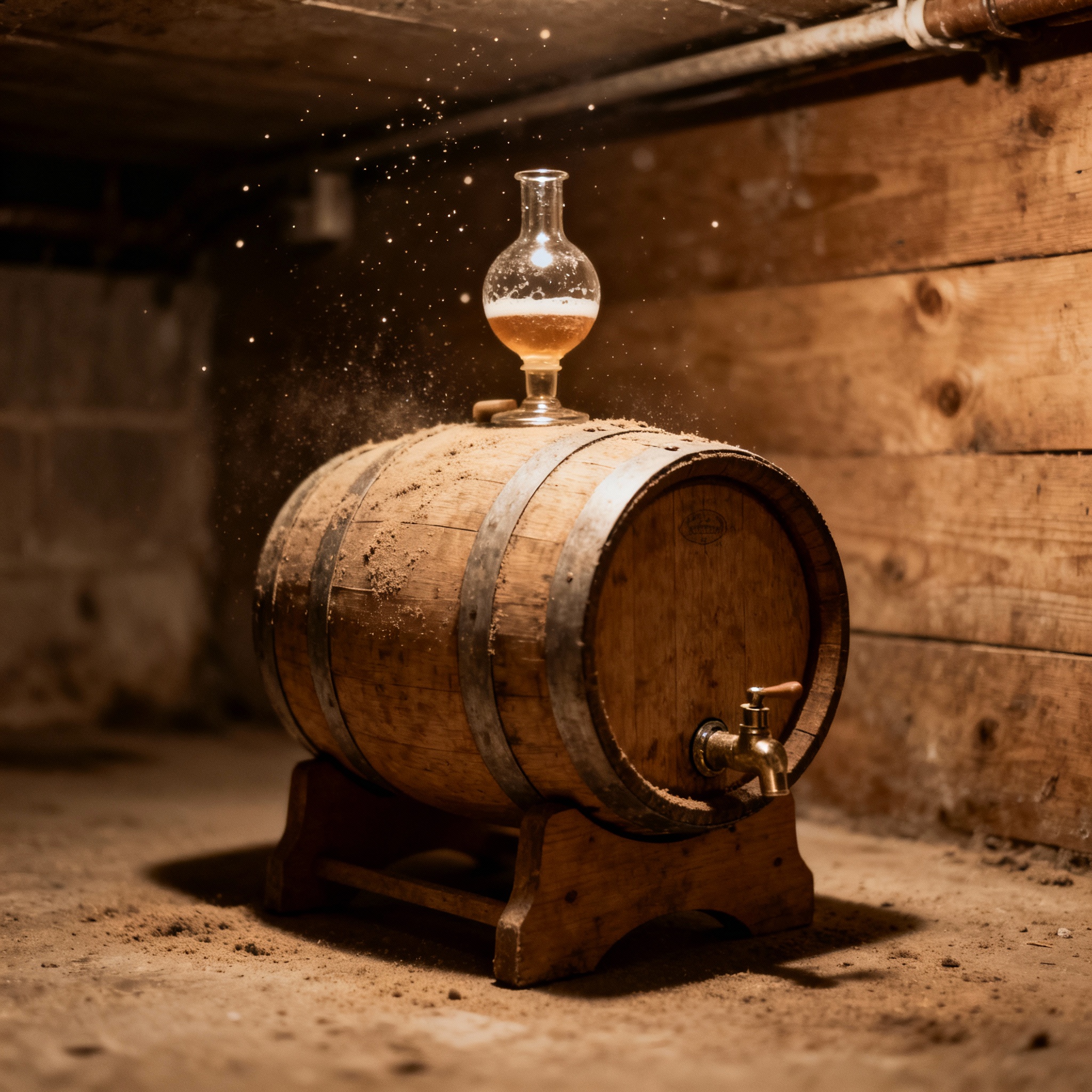
I started my Solera in 2019 with a used bourbon barrel I bought off Craigslist for eighty dollars. The seller was a homebrewer who’d given up after his third vinegar accident.
I drove two hours to pick it up, strapped it into the back of my Subaru, and rolled it into the corner of my garage. That barrel has produced over sixty gallons of sour beer since then, and I’ve never emptied it completely.
It just keeps going. The Solera method isn’t new, as Spanish winemakers have used it for centuries to make sherry.
The idea is simple but requires extreme patience. You fill a vessel with beer, let it age and sour, then draw off a portion while refilling the vessel with fresh wort.
The remaining liquid acts as a starter culture for the new batch. Over time, the barrel develops a house character that becomes more complex and stable with each cycle.
It’s like maintaining a sourdough starter, except the payoff is beer instead of bread.
If you’re the kind of person who checks fermentation every six hours, this project will test you. Letting go and trusting the process results in a never-ending supply of beer that improves every year.
The Concept: Fractional Blending and the Long Game
The Solera system works because you never fully empty the vessel. You always leave behind at least two-thirds of the liquid, which contains an established ecosystem of wild yeast and bacteria.
When you add fresh wort, the bugs already living in the barrel immediately go to work. There is no lag phase like you’d see in a fresh fermentation; the transition is seamless.
Each time you pull beer, you’re blending liquid that’s been aging for different lengths of time. Some of it is fresh (six months), some is middle-aged (twelve months), and some is ancient.
A Solera functions through microbial succession. Early on, Pediococcus and Lactobacillus dominate to drop the pH, while Brettanomyces slowly works on complex sugars and fermentation byproducts over years to create a stable, sensory equilibrium.
This blending creates a flavor continuity that you can’t get from single batches. The beer smooths out and the harsh edges disappear.
You stop getting the jagged acidity or overly funky Brett character that can dominate young sours. Instead, you get something balanced and layered.
Keep detailed records of every pull, including volume removed, gravity of fresh wort added, and tasting notes. My barrel always produces the best beer in late fall when the garage temperature drops and the bugs slow down.
Vessel Selection: Oak Barrels vs. Glass
The vessel you choose matters more than you’d think. Oak barrels are the gold standard for Solera projects because they provide essential micro-oxygenation.
The wood is porous, allowing tiny amounts of oxygen to seep in over time. This feeds Brettanomyces and Acetobacter, both of which need oxygen to create complex fruity esters and phenols.
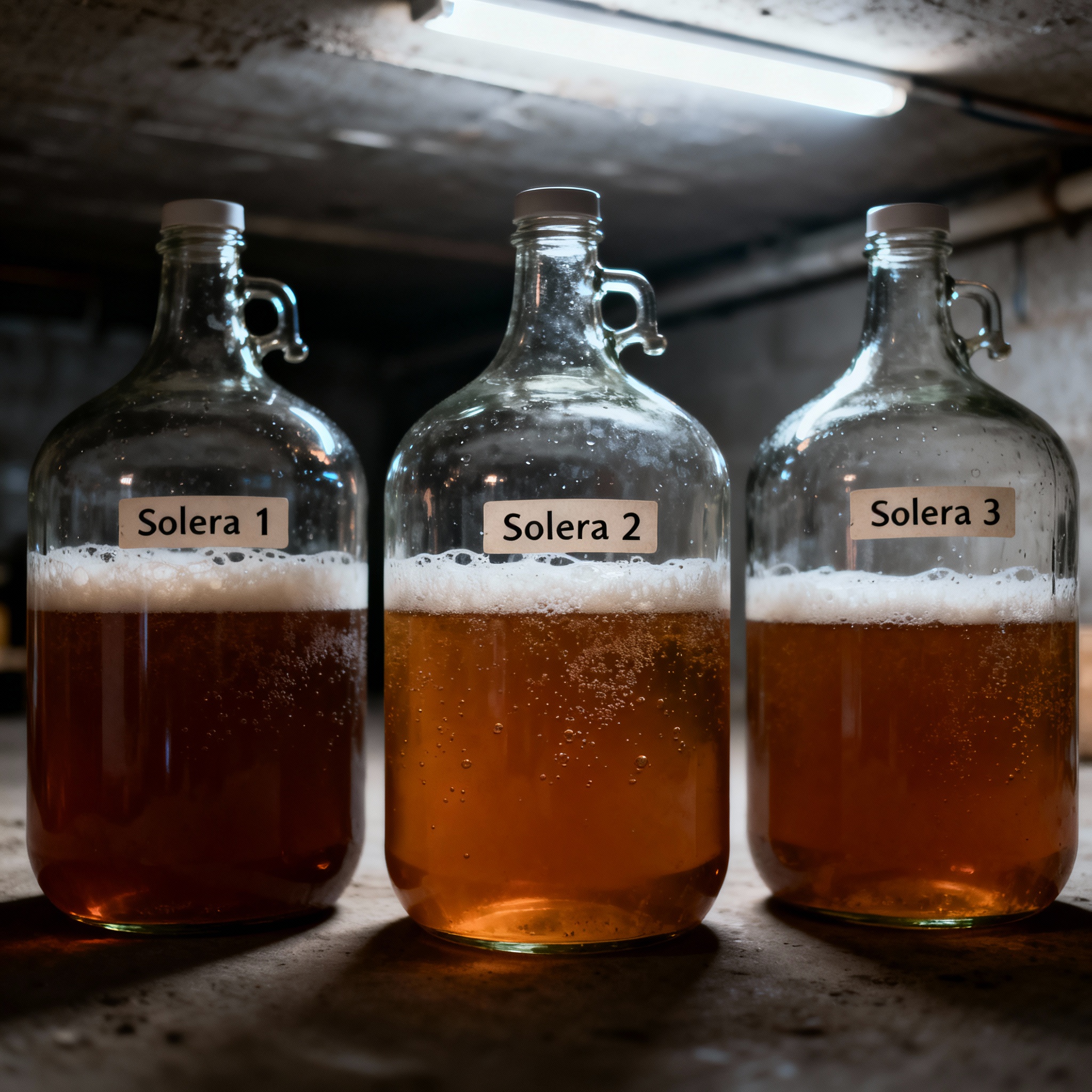
Glass carboys are cheaper and easier to clean, but they don’t breathe. If you go this route, you must simulate oak contact by adding medium-toast oak staves or cubes.
I ran a five-gallon Solera in a carboy for two years, but it lacked the oxygen exchange that makes barrel-aged sours interesting. The Brett character was muted and the acidity was noticeably sharper.
If you buy a used barrel, fill it with hot water first and let it sit for 24 hours. If it smells like bourbon, wine, or clean wood, you’re good to go. If it smells like vinegar or rotting fruit, walk away.
The Bug Blend: Establishing a Robust Culture
A Solera is only as good as the microbes living inside it. You need a blend of organisms that can survive for years without turning the beer into vinegar.
The classic combination is Brettanomyces, Lactobacillus, and Pediococcus. I pitch a mixed culture on day one and let it stabilize over the first year.
My blend is roughly 60% Brett, 30% Lacto, and 10% Pedio. The Brett ferments residual sugars, Lacto drops the pH to protect the beer, and Pedio adds a silky mouthfeel over time.
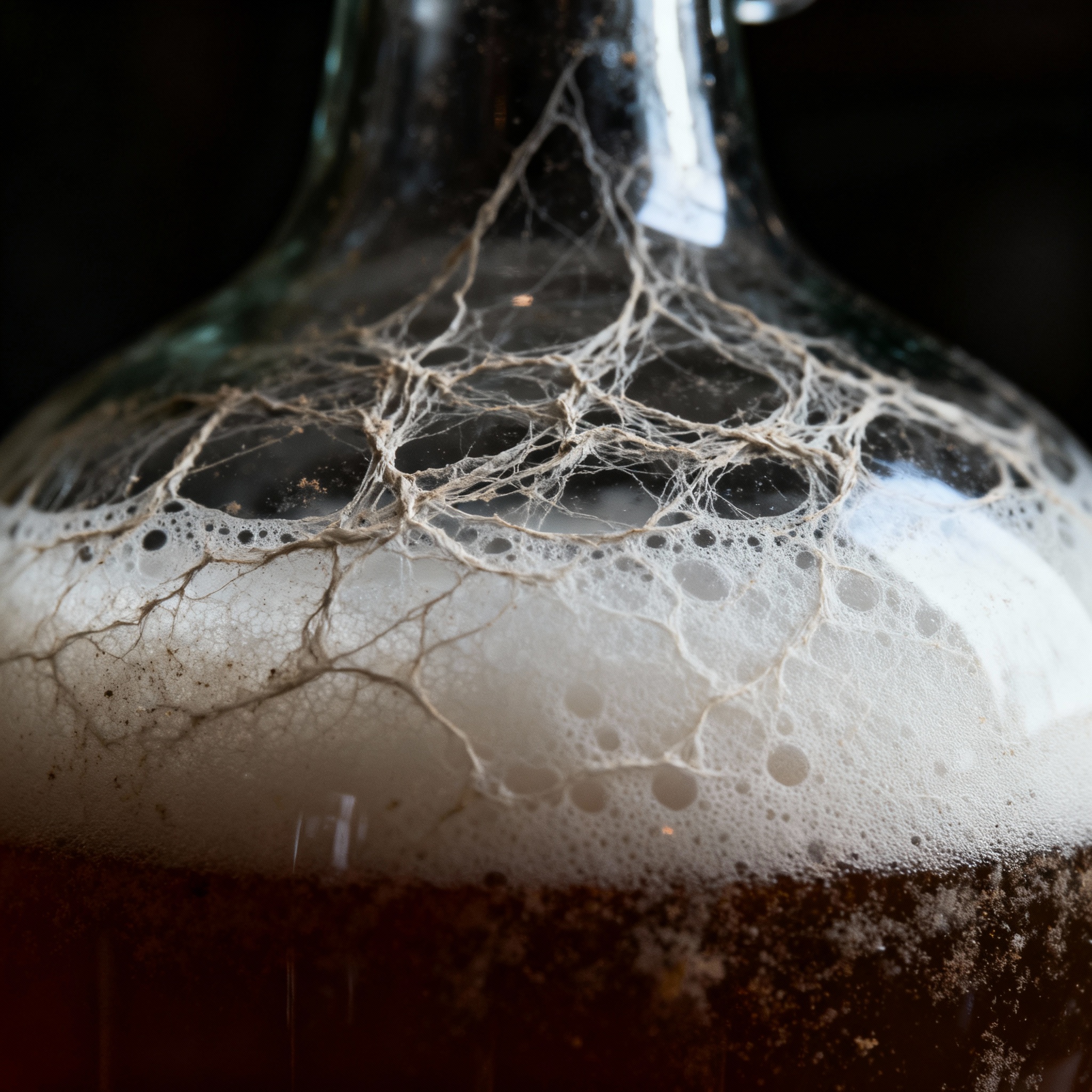
Pediococcus is known for creating “sick” or ropy beer by producing exopolysaccharides. A robust population of Brettanomyces is required in a Solera, a concept detailed by Bootleg Biology, to produce enzymes that break down these ropes, returning the beer to a normal viscosity.
The First Pull: The Twelve-Month Rule
Waiting a full year before pulling your first batch is the hardest part. At six months, my barrel tasted terrible-thin, overly acidic, and harsh.
At twelve months, the transformation was shocking. The acidity had softened and the Brett funk had shifted from barnyard to stone fruit.
If you pull too early, you’re bottling an incomplete beer. It might be drinkable, but it won’t have the complexity that makes a Solera worth the effort.
Use a wine thief to pull small samples every few months during the first year. Let them sit at room temperature for a week before tasting them side by side to see how the beer evolves.
Risk Management: Preventing Acetobacter
The biggest fear with long-term sours is that they will turn into vinegar. Acetobacter is a bacteria that converts alcohol into acetic acid when exposed to oxygen.
I lost a five-gallon batch to acetic acid in 2020 by being lazy about topping up the barrel. The headspace sat exposed to air for three weeks, and the next pull smelled like salad dressing.
To prevent this, minimize headspace and refill the barrel within 24 hours of a pull. If you can’t brew fresh wort, top it up with sanitized water or leftover beer from another batch.
While a small amount of acetic acid (vinegar) can add a “bright” lift to a sour beer, anything above 1.0 g/L is generally perceived as a flaw. Keeping the barrel topped up is the only reliable way to inhibit Acetobacter growth.
| Month | Activity | Expected Flavor Profile | pH Range |
|---|---|---|---|
| 0 | Fill barrel, pitch bugs | N/A (raw wort) | 5.0-5.4 |
| 3 | First fermentation ends | Sharp lactic, thin, funky | 3.2-3.5 |
| 6 | Mid-stage development | Acidic, green apple, funk | 3.3-3.6 |
| 12 | First pull | Stone fruit, soft acid, balanced | 3.2-3.5 |
| 24+ | Ongoing pulls | Layered, refined, house character | 3.2-3.5 |
Conclusion
Running a Solera is not efficient, but efficiency isn’t the point. The point is to create something that gets better the longer you maintain it.
Every pull is a snapshot of the barrel’s history. The beer you bottle today contains traces of every batch you’ve added over the years.
If you start a Solera today, you won’t drink the first batch until next year. However, a decade from now, you will still be pulling beer from that same vessel, and it will taste like nothing else you’ve ever made.
References
- Tonsmeire, Michael. American Sour Beers. Brewers Publications, 2014.
- Sparrow, Jeff. Wild Brews: Beer Beyond the Influence of Brewer’s Yeast. Brewers Publications, 2005.
- Bootleg Biology. “Building a Solera System.” Bootleg Biology Blog, 2018.
- Vinnie Cilurzo. Interview on Solera systems. The Brewing Network: The Sour Hour, Episode 12, 2016.