Country Wines: Brewing with Berries, Rhubarb, and Dandelion
I started making country wines because I got tired of watching perfectly good elderberries rot on the bush behind my garage. Every August, they’d hang there, heavy and dark, until they fell and stained the concrete.
It felt wasteful. Then I realized those same berries could become something that tasted better than most of the $12 bottles at the grocery store.
You don’t need a vineyard to make wine. You need fruit, a carboy, and the willingness to wait.
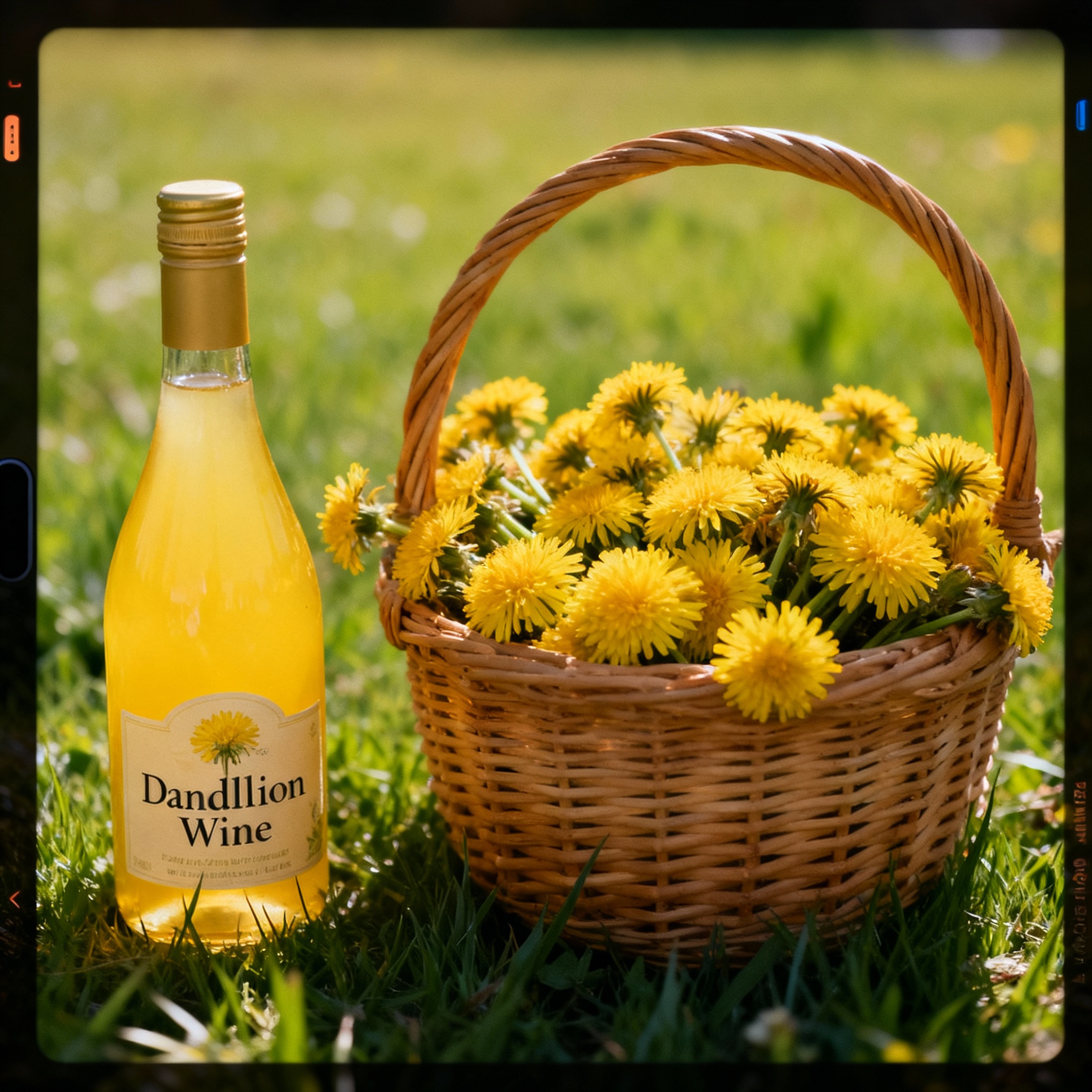
Country wines are what people made before grapes became the only acceptable source of alcohol. rhubarb wine was a staple in British farmhouses and dandelion wine was what you drank when you couldn’t afford imported sherry.
These wines aren’t novelties; they’re what normal people made when they had access to a garden and a bit of patience. The science is exactly the same as grape wine.
You’re converting sugar into alcohol using yeast while balancing acid, tannin, and sweetness. The difference is that most garden fruit doesn’t come pre-balanced like grapes do.
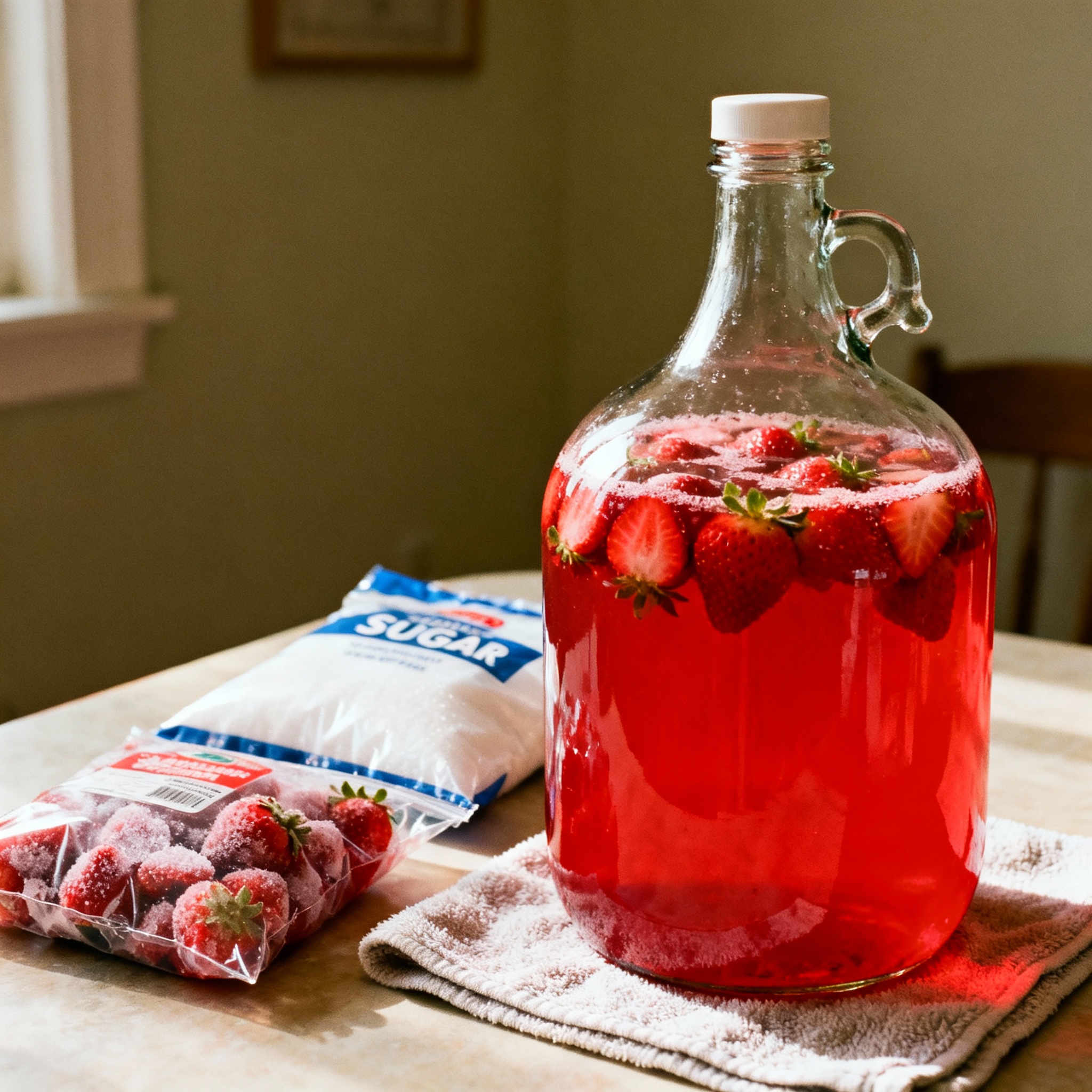
A grape has acid, sugar, tannin, and water in ratios that yeast love. A strawberry has almost no tannin, very little acid, and way too much water.
So you have to adjust. That’s the work, but it’s not hard work-it just requires measurement.
You Don’t Need a Vineyard
Most winemaking guides assume you’re starting with grapes and talk about must and pressing. That’s fine if you live in Napa, but if you have a backyard, you have access to fruit that is just as interesting.
I started with wild blackberries that grow wild along the railroad tracks near my house. My first batch was too sweet, but by the third, I had wine with a dry finish and enough tannin to provide real structure.
Country wines give you freedom. You can make a bone-dry rhubarb wine that tastes like tart apple cider, or a sweet dandelion wine that tastes like honey and hay.
The only rule is that you need enough sugar for the yeast, enough acid to prevent a flat taste, and enough tannin for mouthfeel. If the fruit doesn’t provide all three, you add them.
Section 1: Fruit Prep and Cell Walls
When you crush a grape, the juice comes out easily because the skins are thin. When you crush a blueberry, the juice stays locked inside the cells because the walls are tougher.
If you want to extract flavor and color, you need to break those walls. There are two ways to do this.
The first is freezing. When you freeze fruit, the water inside expands and ruptures the cell walls.
I freeze all my berries before I use them, even if I picked them fresh that morning. The color is deeper, the flavor is stronger, and the juice yield is much higher.
The second method is pectic enzyme. Pectin is the “glue” that holds plant cells together and it can make wine cloudy.
Pectic enzymes (pectinases) break down the complex polysaccharides found in the primary cell walls of fruit. This process not only increases juice yield by up to 20% but also prevents the formation of “pectin haze,” ensuring a clearer final product without the need for aggressive filtration. (See chill haze for beer equivalents).
I use both methods together. I freeze the fruit, thaw it, crush it, and then add pectic enzyme for the best flavor extraction.
If you’re using whole berries, mash them lightly after thawing but don’t pulverize them. You want broken skins, not a smoothie. A sanitized stainless steel spoon works fine.
Section 2: Sugar Ratios and Chaptalization
Most garden fruit doesn’t have enough sugar to make wine. Grapes can hit 12 to 14% alcohol potential, while strawberries sit around 7% and rhubarb is close to zero.
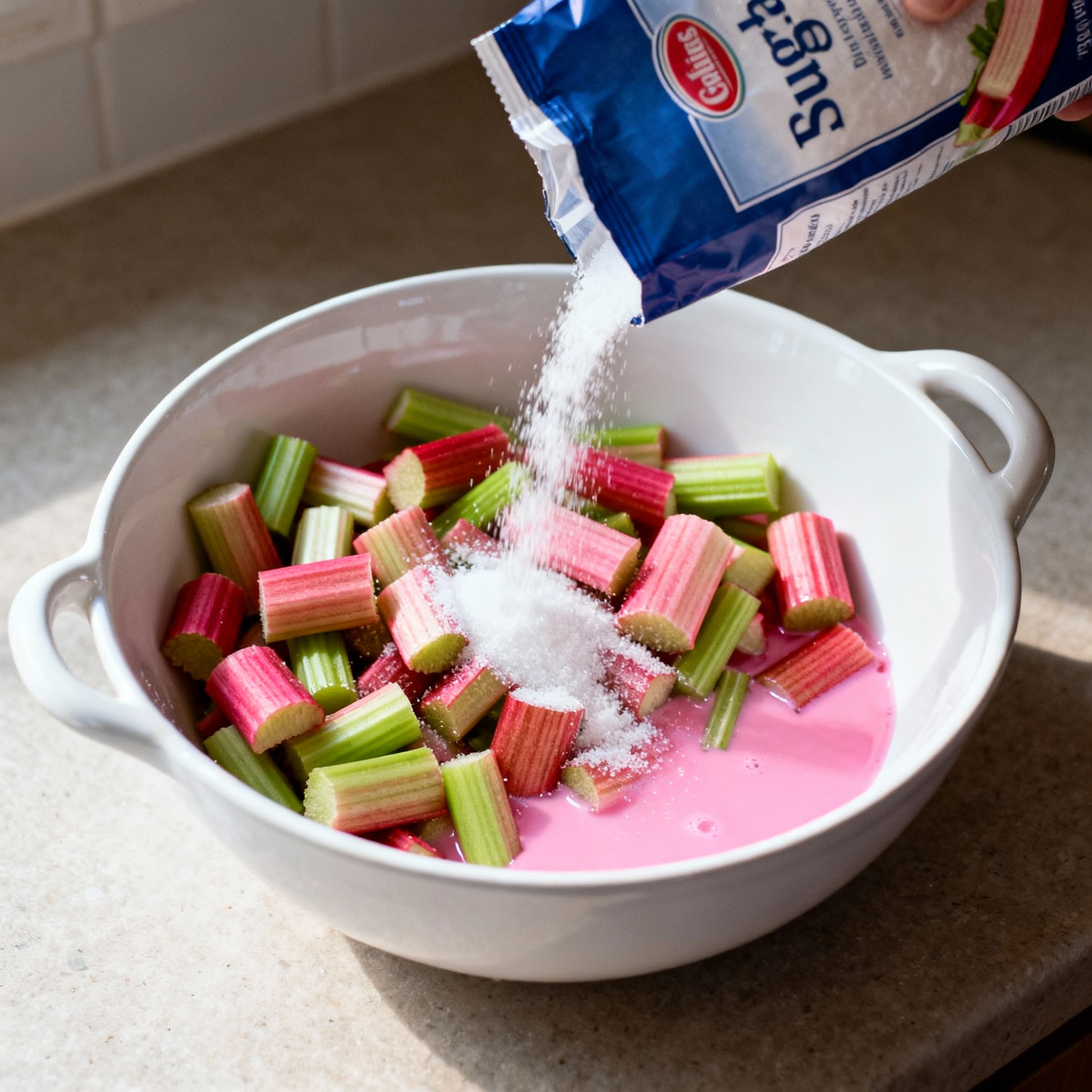
Chaptalization is the practice of adding sugar to raise the alcohol potential. You’re not making the wine sweeter; you’re giving the yeast enough fuel to reach a shelf-stable ABV.
I use a hydrometer to measure specific gravity. A must with enough sugar to produce 12% alcohol is around 1.090.
The math is simple: each pound of sugar added to one gallon of water raises the specific gravity by about 0.046. If your fruit juice starts at 1.030, you’d add about 1.3 pounds of sugar per gallon.
I use white cane sugar because it is neutral and ferments clean. I avoid adding all the sugar at once to prevent yeast stress and fermentation stalls.
Dissolve the sugar in a small amount of warm water before adding it to the must. Don’t dump dry sugar into the fermenter as it clumps at the bottom and takes forever to dissolve.
Section 3: Acid Balance and Structure
Wine without acid tastes flat and sits on your tongue like lukewarm water. Acid gives wine brightness and makes your mouth wake up.
I target 0.6 to 0.7% titratable acidity. Most berry wines land around 0.4% without adjustment, while rhubarb can exceed 1.0%, requiring dilution.
If the acid is too low, the easiest option is fresh lemon juice or a commercial acid blend. Acid blend is a mix of tartaric, malic, and citric acids that tastes neutral.
I add it in small increments of one teaspoon per gallon, stir, and taste. You can always add more, but you can’t take it out easily.
Taste the must before and after fermentation. Fermentation drops the perceived acidity slightly because alcohol has a softening effect. If the must tastes a little too sharp, the finished wine will likely be balanced.
Section 4: Tannins and Mouthfeel
Tannin is the drying sensation you get on your gums that provides “weight” to the wine. Most garden fruit has little to none, leaving the wine feeling watery.
I add tannin in two ways. The first is a strong cup of plain black tea per gallon of must.
The second is powdered wine tannin from a homebrew shop. I add half a teaspoon per gallon and adjust to taste.
Some fruits like elderberries have natural tannin, while strawberries have none. I’ve also experimented with oak chips to add a slight vanilla note and structural complexity.
Add tannin conservatively during fermentation. You can always add more at bottling. I keep a small dropper bottle of liquid tannin extract to adjust finished wine that feels too soft.
Section 5: Aging Dynamics
Not all country wines age the same way. Strawberry wine is delicate and should be consumed within a year before the color and aroma fade.
Rhubarb wine is the opposite. It tastes harsh and green when young but transforms into a complex, dry white wine after two years in the cellar.
The general rule is that wines with high acid and high tannin age well. Elderberry and blackberry wines can sit for years, while peach and dandelion wines peak early.
I age most of my wines in glass carboys in a cool, dark basement at 60°F. I rack the wine every few months to remove sediment and use airlocks to minimize oxygen exposure.
Label your bottles with the date, the fruit, and a one-word tasting note like “sharp” or “thin.” A year later, that note will help you decide which bottles are ready to open.
Conclusion
Country wines are forgiving. You can make mistakes and still end up with something drinkable, but measurement is what makes them great.
If you freeze your fruit, add the right amount of sugar, and balance the acid, you’ll make wine that truly tastes like the fruit it came from.
You don’t need a vineyard; you need a bucket, a carboy, and access to a garden. Start with something easy like blackberries, measure everything, and take notes.
I still open bottles of my first batch of blackberry wine. It doesn’t taste like a $50 Cabernet-it tastes like the railroad tracks behind my house in late summer. That’s worth more to me.
Quick Reference: Country Wine Adjustments (Per Gallon)
| Parameter | Target Range | Adjustment Method | Amount |
|---|---|---|---|
| Potential ABV | 11%-13% | Sugar (Chaptalization) | ~1.25 lbs sugar for 1.090 SG |
| Acidity (TA) | 0.6%-0.7% | Acid Blend / Lemon | 1 tsp blend or 2 tbsp lemon |
| Mouthfeel | Medium Grip | Black Tea / Tannin | 1/4 cup tea or 1/2 tsp powder |
| Clarity | Brilliant | Pectic Enzyme | 1/2 tsp (add at crush) |
References
- Bamforth, C. Brewing Materials and Processes. Academic Press, 2017.
- Bokulich, N. A. “The microbiology of malting and brewing.” Microbiology Reviews, 2013.
- Steinkraus, K. H. Handbook of Indigenous Fermented Foods. CRC Press, 1996.
- UC Davis Viticulture & Enology. “Safe Home Food Preservation.” UC ANR Publication, 2020.