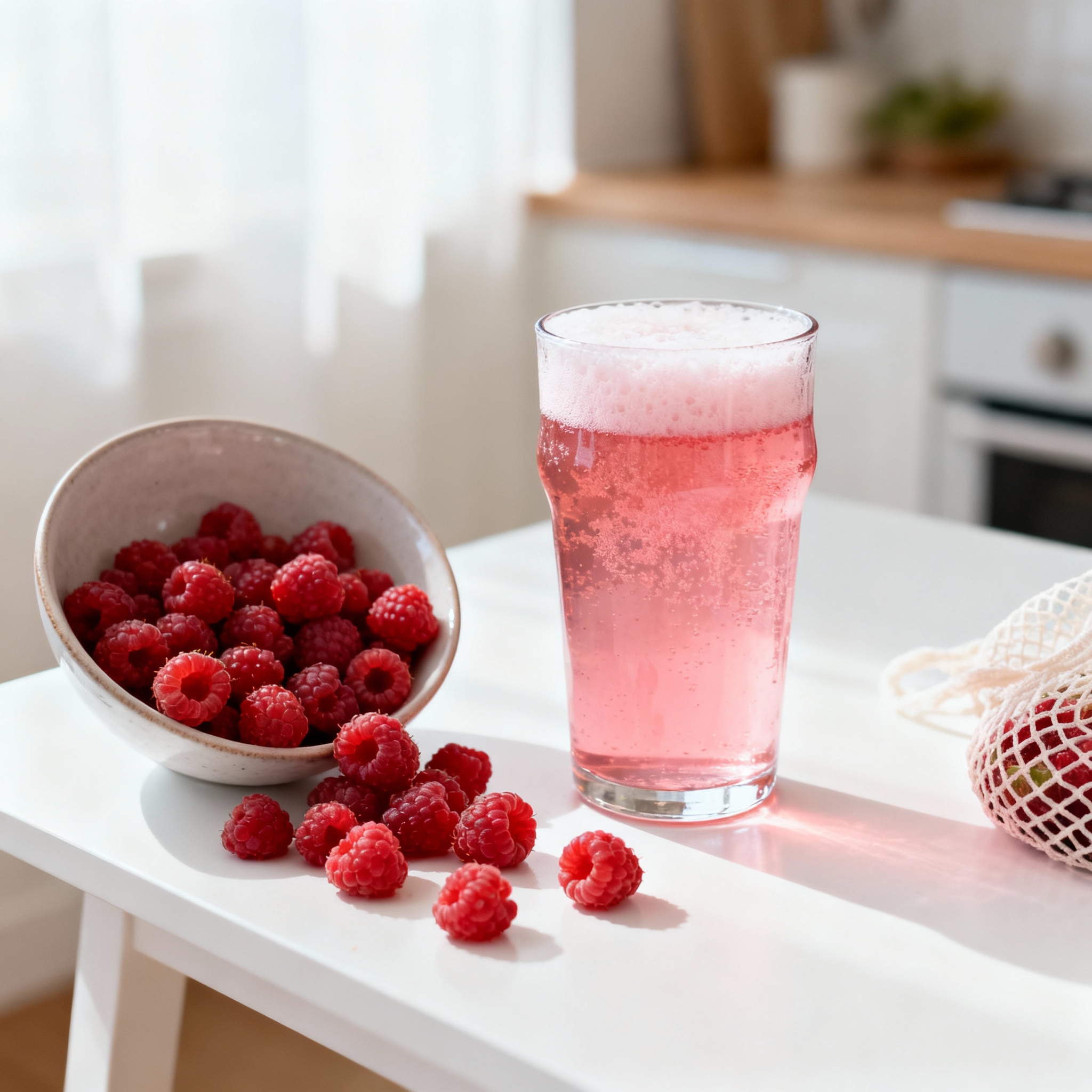
Fruit Beers: Blonde Ales, Wheats, and IPAs
I ruined my first fruit beer in 2019. I dumped two pounds of strawberries into a blonde ale during active fermentation because I thought the yeast would “lock in” the flavor.
What I got was a thin, pink disappointment that smelled like wet cardboard with a whisper of fruit in the back. My partner took one sip and said, “This tastes like somebody thought about strawberries once.”
That batch taught me something important. Fruit beer is not just “beer plus fruit.” It is a careful balance of timing, sugar management, and form.
Most people think fruit beers are easy because they sound fun and casual. They are not. Fruit brings wild sugars, pectins, and volatile aromatics that can either make your beer sing or turn it into a hazy, flavorless mess.
This guide is for people who want fruit flavor in clean, non-sour beers. I am talking about blonde ales, wheats, and IPAs.
Not lambics. Not kettle sours. Just straightforward beers where the fruit is a guest, not the star of a microbial circus.
The Three Forms of Fruit (And Why Two of Them Suck Less Than You Think)
When you decide to add fruit to beer, you have three main options: fresh fruit, puree, and extracts. Each one has tradeoffs, and I have tried all of them in my garage lab.
Fresh Fruit: The Romantic Disaster
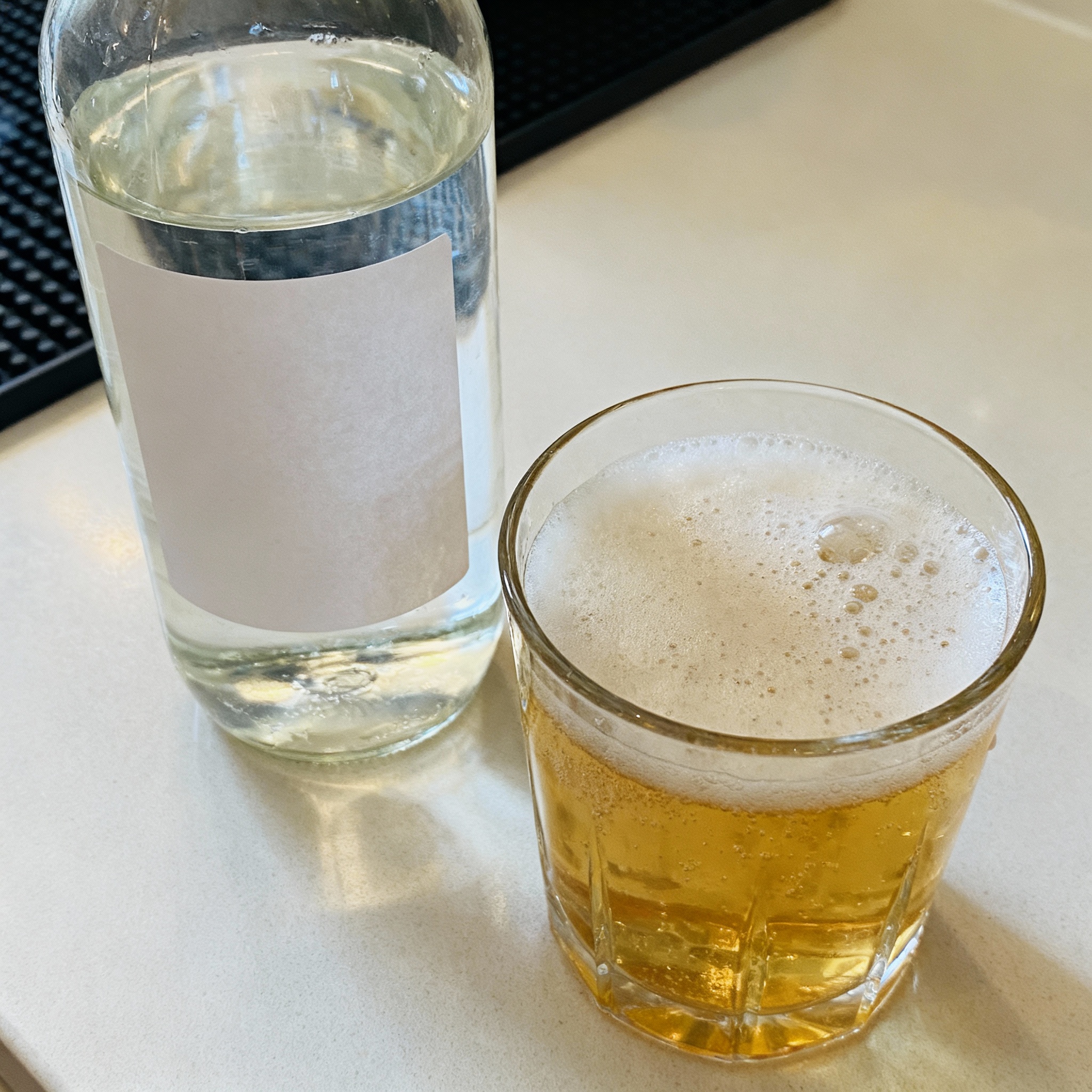
Fresh fruit sounds like the purest choice. You go to the farmer’s market, buy organic peaches, slice them up, and throw them in your fermenter.
But fresh fruit is risky because it brings wild yeast and bacteria with it. Even if you freeze the fruit to rupture the cell walls, you are still inviting potential contamination.
Second, fresh fruit has a high water content. A pound of strawberries is about 90% water, meaning you are diluting your beer to get a mild fruit flavor.
If you do use fresh fruit, freeze it first to break down the cell structure. Then, sanitize it by heating it to 160°F for 15 minutes.
Do not boil it. Boiling destroys the volatile aromatics that provide the fruit’s signature aroma and fresh character.
Freezing fruit causes the water inside the cells to expand and crystallize, puncturing the cell walls. This mechanical breakdown allows for much higher juice and flavor extraction once the fruit is added to the beer.
If you use fresh fruit, add potassium metabisulfite (Campden tablets) at a rate of one tablet per gallon of fruit. Let it sit for 24 hours before adding to beer to kill wild organisms without cooking the fruit.
Puree: The Pragmatist’s Friend
Fruit puree is my preferred choice for consistency and ease of use. It is pasteurized and aseptic, meaning it is safe to add directly to the fermenter.
Companies like Oregon Fruit make purees that allow for no guesswork. Puree gives you more concentrated flavor per pound because the water content is often reduced compared to whole fruit.
The texture is smooth and mixes well into the beer. Crucially, it does not clog your racking equipment as severely as whole fruit does.
Start with 1 to 1.5 pounds of puree per gallon if you want noticeable fruit character. You can always increase the dosage in the next batch, but you cannot subtract it once added.
Extracts: The Shortcut You Will Regret
Fruit extracts are concentrated flavorings that you add at bottling or kegging. While they are fast and clean, they frequently produce a synthetic, fake taste.
I once tried a peach extract in a cream ale and it smelled like a gas station air freshener. My friend likened it to cough syrup, and I ended up dumping the entire batch.
Extracts can work in very specific cases, like adding a subtle hint to a light lager. However, if your goal is a fruit-forward beer that tastes like real fruit, avoid them.
If you must use extracts, go with natural extracts rather than artificial ones and dose conservatively. Start with half the recommended amount and taste before adding more.
Timing: When to Add Fruit
Most homebrew books suggest adding fruit during primary fermentation. The logic is that active yeast will scrub out wild organisms and ferment the sugars.
This advice is only half right. While the yeast cleans the fruit, it also strips out the delicate volatile aromatics.
Esters and terpenes are easily metabolized or pushed out through the airlock during vigorous fermentation. I learned this the hard way with a strawberry blonde ale that lost all its aroma.
Now, I add fruit after primary fermentation is complete. I wait until the beer has dropped clear and the yeast has mostly settled before racking onto the fruit.
This method preserves the aromatics because the beer is no longer violently bubbling. I leave the fruit in for seven to ten days before cold crashing and kegging.
Vigorous primary fermentation produces massive amounts of CO2. As this gas escapes, it carries delicate aromatic compounds with it, effectively stripping the beer of the very fruit characteristics you are trying to achieve.
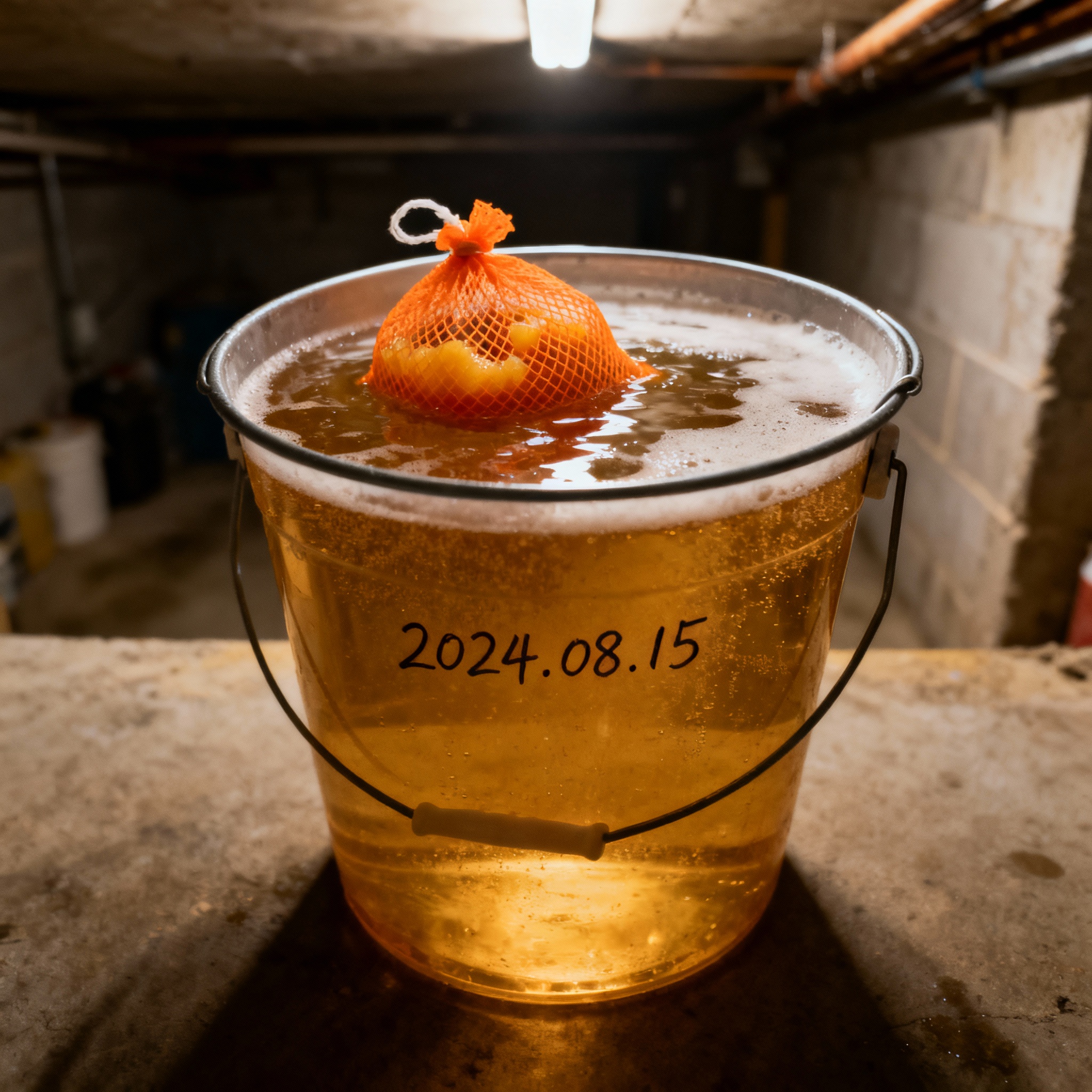
If you are using whole fruit or puree, put it in a mesh bag. This makes cleanup much easier as you can simply pull the bag out instead of siphoning through fruit chunks.
The Sugar Problem: Why Your Fruit Beer is Dry
Fruit contains sugar that yeast will consume, which is why fruit beers often taste thin and dry. You are left with the flavor of the fruit but none of the sweetness.
A raspberry wheat might taste like raspberries but finish with a tart dryness. To fix this, you have two main options: lactose or potassium sorbate.
Lactose: The Unfermentable Sweetness
Lactose is milk sugar that brewer’s yeast cannot ferment. It stays in solution and provides a creamy sweetness that balances fruit tartness.
I add lactose at a rate of 4 to 8 ounces per five gallons. Dissolve it in boiling water, let it cool, and then add it to the keg or bottling bucket.
It fills out the body and makes the fruit flavor taste “riper.” Just keep in mind that lactose is not suitable for vegan or lactose-intolerant drinkers.
Add lactose at kegging or bottling rather than during fermentation. This allows you to dose to taste, starting with a small amount and increasing as needed.
Potassium Sorbate: The Fermentation Kill Switch
Potassium sorbate prevents yeast from reproducing and fermenting new sugars. You use it in combination with potassium metabisulfite to effectively “stop” the yeast.
I use this method when I want to backsweeten a fruit beer with simple syrup or more puree. Add 0.5 grams of sorbate and one Campden tablet per gallon.
Let it sit for 24 hours before adding the sugar. This is only recommended for kegged beers, as it can cause bottle bombs if fermentation restarts in the bottle.
Potassium sorbate works by preventing yeast cells from dividing and reproducing. It does not stop a currently active fermentation; it must be used on finished, stable beer to prevent a restart when sugars are added.
If you want a sweet fruit beer and you bottle condition, use lactose instead of sorbate. It is a much safer method for managing carbonation.
Pectin Haze: The Invisible Enemy
Pectin is a natural thickener in fruit that makes your beer look murky. In a cold environment, pectin forms a permanent haze that does not affect flavor but looks dull.
The fix is pectic enzyme, which breaks down pectin into simpler sugars. Add one teaspoon per five gallons at the same time you add the fruit.
The enzyme works best at moderate temperatures between 60°F and 70°F. If you have been cold crashing, let the beer warm up slightly before adding the enzyme.
If you are using citrus like grapefruit or orange, you must use pectic enzyme. Citrus is loaded with pectin and will result in a fruit-smoothie appearance without it.
Pairing: What Fruit Goes Where
Not every fruit works in every beer. Delicate fruits get lost in hoppy beers, while bold fruits need a strong base to hold them up.
Apricot and Wheat Beer
Apricot is soft and floral, pairing beautifully with the bready base of a wheat beer. Use a neutral yeast like US-05 if you want the fruit to be the star.
Alternatively, a Bavarian wheat yeast can complement the apricot with its natural banana esters.
Grapefruit and IPA
Grapefruit and hops are a natural match since many hops already have citrus profiles. I prefer using grapefruit zest added after fermentation like a dry hop.
Zest from two grapefruits per five gallons for three days provides a bright, juicy punch. If using puree, keep the dosage light, as grapefruit is very potent.
Raspberry and Blonde Ale
Raspberry is tart and jammy, making it ideal for lighter blonde or cream ales. Raspberry seeds can clog equipment, so puree is usually the better choice here.
I use one to two pounds of puree per five gallons. This usually results in a pink, tart beer that benefits from a small lactose addition.
Mango and Pale Ale
Mango is tropical and rich, pairing well with Citra or Mosaic hops. It brings a creamy mouthfeel that balances moderate hop bitterness.
Use two pounds of mango puree per five gallons for a noticeable effect. Mango is less acidic than berries and usually requires less balancing sweetness.
Match the intensity of the fruit to the beer style. Delicate fruits belong in light beers, while bold fruits like cherry or blackberry can handle darker, stronger bases.
Conclusion
Fruit beer is about technical precision: choosing the right form, timing the addition, and managing the resulting sugars. When these variables are controlled, you get a beer that tastes like fresh fruit rather than a synthetic imitation.
Start with a simple blonde ale or wheat beer base. Use aseptic puree and add it after primary fermentation is complete.
Always use pectic enzyme to ensure clarity. As you brew more batches, track your dosages in grams per liter to dial in your personal preferences.
References
- Oregon Fruit Products. “Aseptic Fruit Purees for Brewing.” Oregon Fruit.
- Vintner’s Harvest. “Fruit Puree Product Line.” Vintner’s Harvest. Accessed 2025.
- Palmer, J. (2017). How to Brew. Brewers Publications.
- White Labs. “Yeast Strain Guide.” White Labs. Accessed 2025.
- Scott Laboratories. “Pectic Enzyme Usage in Fermentation.” Scott Labs. Accessed 2024.