
Wheat & Rye: Dampfbier, Roggenbier, and Hefeweizen
I lost an entire batch of Roggenbier once because I didn’t respect rye. I treated it like wheat, mashed it like wheat, and tried to sparge it like wheat.
What I got was a grain bed that looked like wet concrete and a brew day that stretched six hours longer than it should have. I was pulling handfuls of sticky, gummy rye malt out of my mash tun with my bare hands, cursing the entire concept of huskless grains.
But once I figured out how to manage those proteins and keep fermentation in check, wheat and rye became my favorite brewing ingredients. These styles are some of the most expressive beers you can make, but they’re also some of the most unforgiving if you skip the details.
This is a style guide for brewing with wheat and rye. I’m going to walk you through the German classics, the science of esters and phenols, and the stuff that keeps your grain bed from turning into a solid block.
German Classics: Hefeweizen and the Ferulic Acid Rest
Hefeweizen is the gateway drug for wheat beers. If you’ve ever had a cloudy, yellow beer that smelled like bananas and cloves, you’ve had a Hefeweizen.
The cloudiness comes from suspended yeast and wheat proteins. The banana and clove come from specific esters and phenols produced during fermentation.
The yeast strain matters more here than almost any other beer style. You need a German Weizen yeast (like Wyeast 3068 or White Labs WLP300) to produce the right balance of isoamyl acetate (banana ester) and 4-vinyl guaiacol (clove phenol).
Ferulic acid is a precursor compound found in the cell walls of wheat and barley. An enzymatic rest at 111°F-113°F activates feruloyl esterase, which releases this acid into the wort, allowing the yeast to later decarboxylate it into the spicy 4-vinyl guaiacol (clove) phenol.
To maximize ferulic acid release, you hold the mash at 111°F to 113°F for 15 to 20 minutes before raising it to your main saccharification rest.
I didn’t believe this step mattered until I brewed two side-by-side batches; the one with the rest had a significantly sharper, more pronounced clove character.
Underpitch your Weizen yeast slightly (about 25 percent less than standard ale rates). Stressed yeast produces more esters. This is one of the few styles where underpitching actually improves flavor.
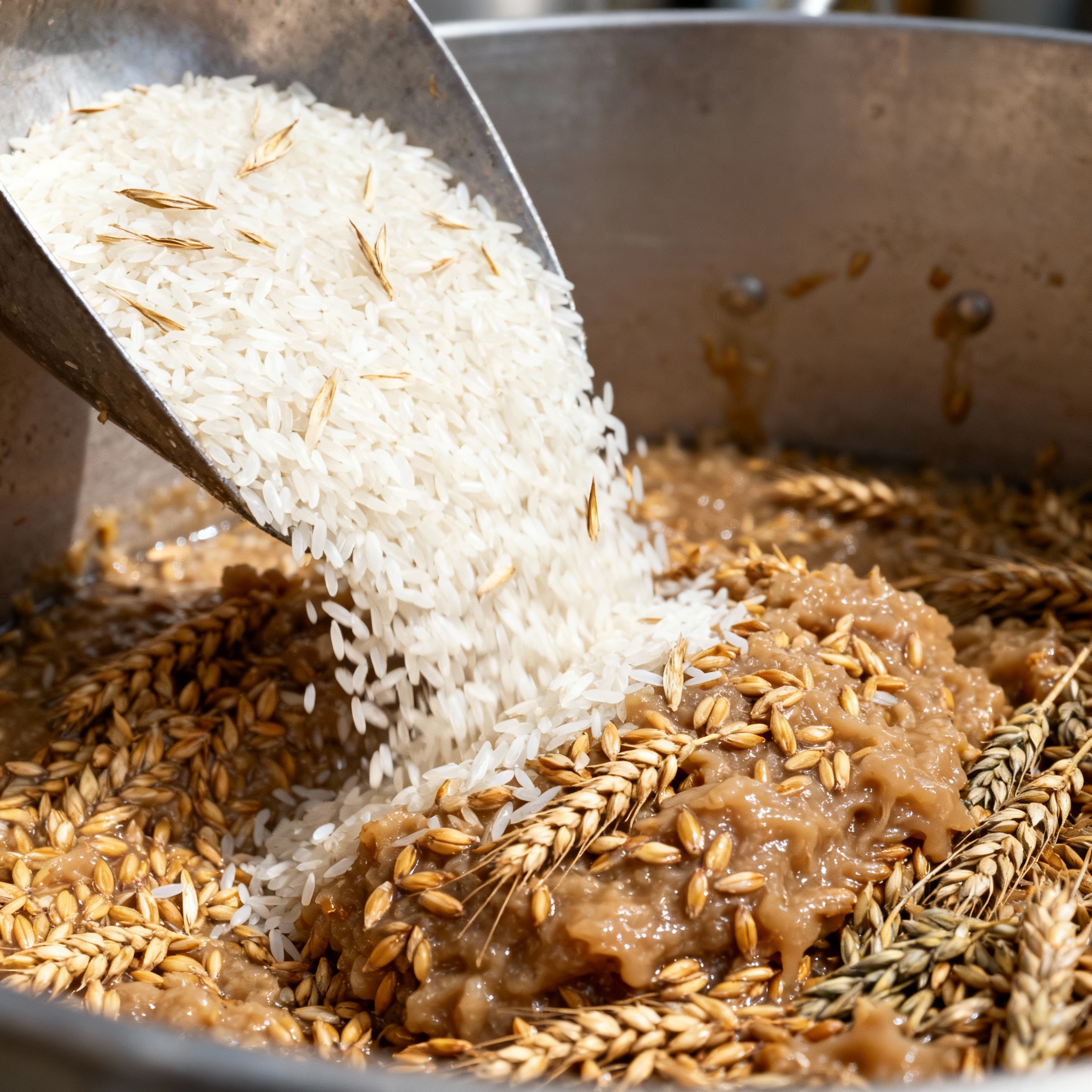
Roggenbier: The German Rye Beer
Roggenbier is what happens when you replace wheat with rye in a Hefeweizen recipe. The yeast strain is the same, but rye brings something completely different: it is spicy, earthy, and dry.
Rye also brings a problem: beta-glucans. These are long-chain polysaccharides that make the mash incredibly viscous, often mimicking the texture of wet concrete or thick oatmeal.
The solution is a beta-glucan rest at 95°F to 104°F for 10 to 15 minutes. Beta-glucanase, an enzyme that breaks down beta-glucans, is most active in this range.
I heat my strike water to about 110°F and let it sit at 100°F for 15 minutes before raising the temperature. This adds time to the brew day, but it’s non-negotiable if you’re using more than 20 percent rye.
Toast 10 percent of your rye malt in the oven at 300°F for 20 minutes before mashing. It adds a toasted bread crust character that balances the raw spiciness of the rye.
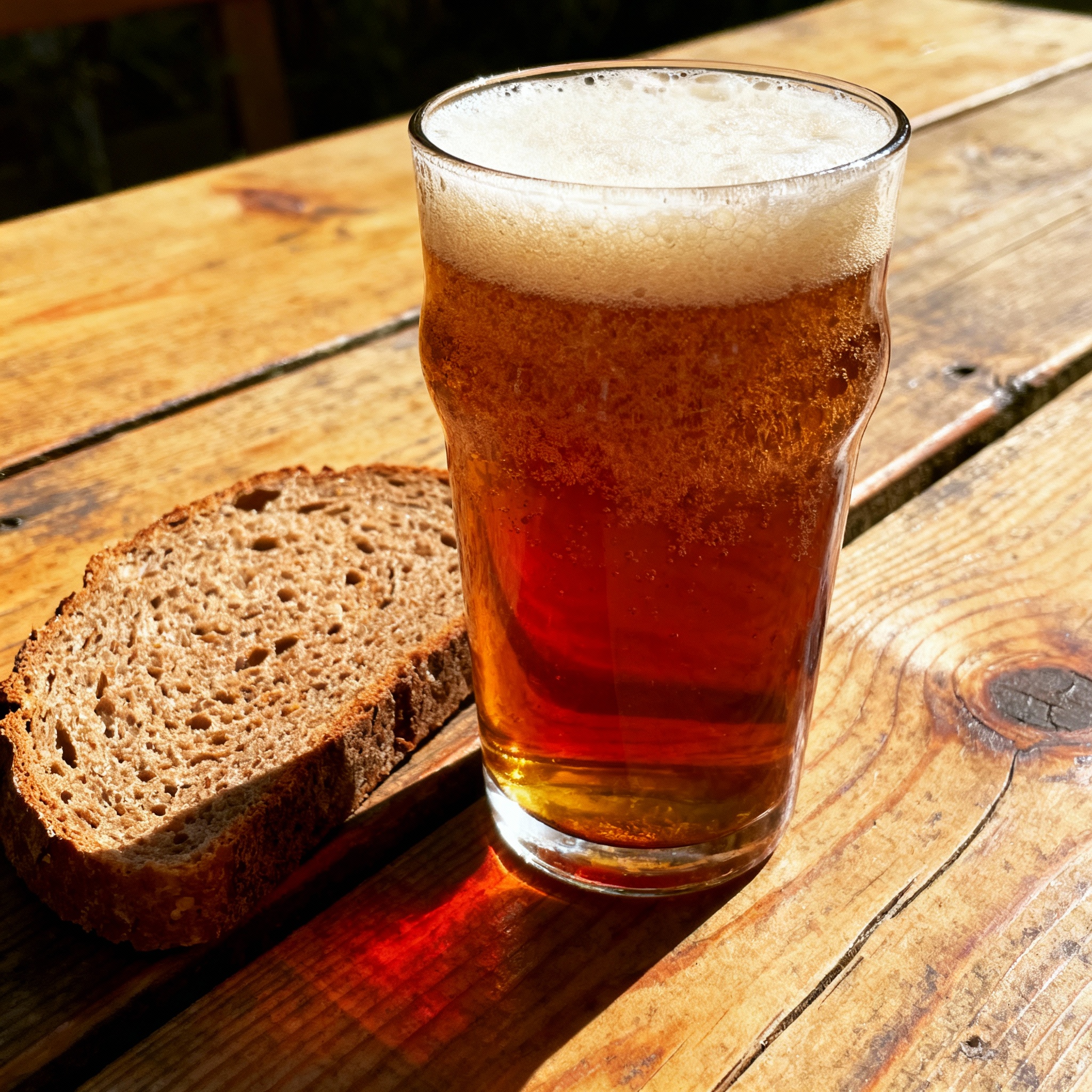
Dampfbier: The “Steam Beer” of Bavaria
Dampfbier is a barley-based beer fermented with Weizen yeast at warm temperatures. The result is a malt-forward beer with subtle banana and clove notes, somewhere between a Munich Dunkel and a Hefeweizen.
The name “Dampfbier” means “steam beer,” referring to the vigorous fermentation that happened in open fermenters. When warm Weizen yeast hits a high-gravity wort, it ferments hard and fast, releasing clouds of CO2 that look like steam.
The grain bill is mostly Munich malt (60 to 80 percent), with the rest being Pilsner malt and a touch of dark crystal malt. Fermentation is warmer here, usually 68°F to 72°F, which pushes ester production to soften the malt sweetness.
Decoction mashing works beautifully with Dampfbier. Pull 30 percent of the thick mash, boil it for 15 minutes, and return it to the main mash. It deepens the malt character and adds a subtle toasted note.
Rice Hulls: The Mandatory Insurance Policy
Rice hulls are the unsung hero of wheat and rye brewing. They don’t add flavor or fermentables; they just sit in the mash, creating space between sticky grains so water can flow.
Wheat and rye don’t have husks. When you crush barley, the husks form a natural filter bed, but wheat and rye turn into a dense, sticky mass that water can’t penetrate.
I add 5 to 10 percent of the total grain bill in rice hulls for any beer with more than 30 percent wheat or rye. For Roggenbier, I go closer to 10 percent.
If you forget to buy rice hulls and you’re already brewing, you can use oat hulls as a substitute. They work the same way and are sometimes easier to find at homebrew shops.
Freshness: Why These Styles Die Young
Hefeweizen, Roggenbier, and Dampfbier are not beers you cellar. They are beers you drink fresh, ideally within four to six weeks of packaging.
Wheat and rye beers are loaded with unsaturated fatty acids and reactive proteins that oxidize quickly. The banana and clove fade, replaced by a cardboard or wet paper flavor.
Weizen yeast is notorious for Yeast Autolysis quickly after fermentation. When the yeast cells die, they release “meaty” or soy sauce-like off-flavors into the beer, which is especially noticeable since the yeast is served in suspension.
Plan to drink these fast. Invite friends over or bring them to a party. Don’t let them sit in the fridge for three months while you work your way through other beers.
If you bottle condition, use a counter-pressure filler or a beer gun to minimize oxygen exposure. Or just keg. Kegging is the single best upgrade I’ve made for brewing these styles.
Conclusion
Brewing with wheat and rye is messy and occasionally frustrating. But when you nail it, and you pour a cloudy Hefeweizen that smells like banana bread, it’s worth every extra minute in the mash.
The science matters here more than almost any other style. You need the ferulic acid rest for clove, the beta-glucan rest for rye, and rice hulls to keep your grain bed from turning into concrete.
These beers force you to pay attention, and they reward you when you do.
Mash Schedule Comparison Table
| Beer Style | Beta-Glucan Rest | Ferulic Acid Rest | Saccharification Rest | Rice Hulls |
|---|---|---|---|---|
| Hefeweizen | Not required | 111-113°F (15-20 min) | 152-154°F (60 min) | 5% |
| Roggenbier | 95-104°F (10-15 min) | 111-113°F (15-20 min) | 152-154°F (60 min) | 10% |
| Dampfbier | Not required | Not required | 150-152°F (60 min) | Optional |
Fermentation Temperature & Ester/Phenol Balance
| Fermentation Temp | Primary Flavor | Secondary Flavor | Best For |
|---|---|---|---|
| 62-64°F | Clove (phenolic) | Light banana | Traditional Hefe |
| 65-67°F | Balanced | Balanced | Standard Batch |
| 68-72°F | Banana (ester) | Light clove | Fruit-forward |
References
- Bamforth, C. Beer: Tap into the Art and Science of Brewing. Oxford University Press, 2009.
- Kunze, W. Technology Brewing and Malting. VLB Berlin, 2014.
- Palmer, J., & Kaminski, C. Water: A Comprehensive Guide. Brewers Publications, 2013.
- White, C., & Zainasheff, J. Yeast: The Practical Guide. Brewers Publications, 2010.