Stein Beer: Brewing with Hot Rocks
I burned my eyebrows off last October. Not entirely, but enough that my girlfriend asked if I had a medical condition.
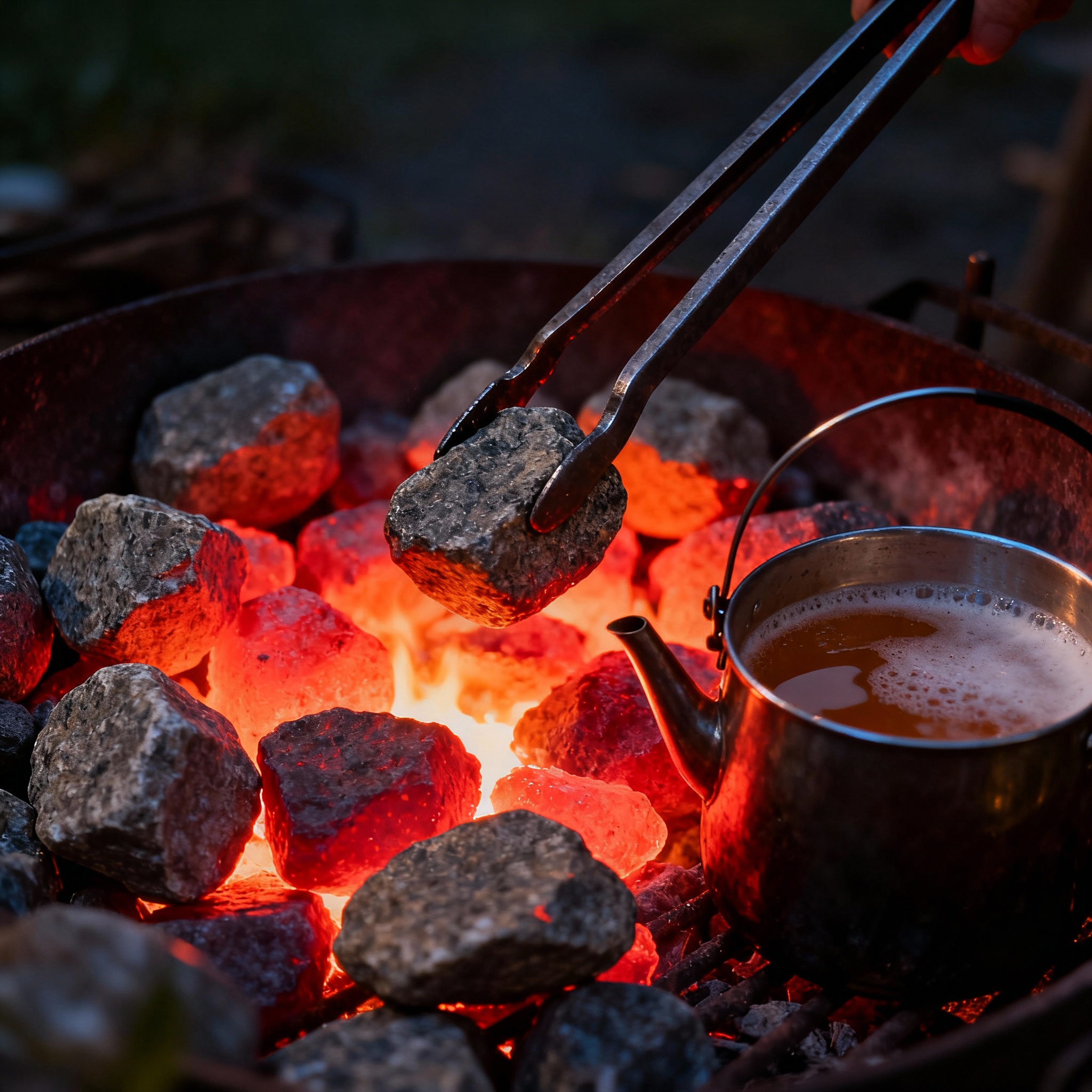
I was standing too close when I dropped a granite boulder into fifteen gallons of barley wort. The rock had been sitting in a wood fire for three hours, and when it hit the liquid, the garage filled with steam so fast I couldn’t see my own hands.
The wort went from 150°F to a rolling boil in four seconds. The surface looked like a science experiment gone wrong, bubbling and hissing, throwing droplets of sticky sugar water onto my forearms.
This is stein beer. This is how people made beer before they had metal kettles. This is brewing at its most primal.
You heat rocks until they glow and drop them into liquid. The liquid explodes into a boil, and the rocks caramelize the sugars on contact, creating flavors you cannot get any other way.
No modern kettle or propane flame can replicate what happens when superheated stone meets cold wort. The Maillard reaction happens in milliseconds, resulting in toffee and smoke notes that taste like the earth decided to make beer.
Rock Selection: Granite vs. Explosive Sediments
The first rule of stein beer is this: use the wrong rock and it will explode in your face.
Sedimentary rocks like sandstone, limestone, and shale contain moisture trapped in tiny pockets. When heated to 700°F, that moisture turns to steam, causing the rock to detonate like a grenade.
You need igneous rock, specifically granite. Granite is formed from molten magma and possesses a crystalline structure with almost no porosity, allowing it to handle rapid temperature changes without shattering.
Igneous rocks like granite have low and relatively uniform thermal expansion coefficients. This prevents the internal stresses that cause sedimentary rocks to fracture violently when moving from a 900°F fire to a 150°F liquid.
Look for pieces that weigh between 10 and 20 pounds at landscaping supply stores. Avoid anything with visible cracks or a flaky surface. I use two rocks per batch, alternating them to maintain a consistent boil.
Before you use a new rock for the first time, heat it slowly in a low fire (under 300°F) for an hour. This drives out any residual moisture without shocking the stone.
Heating: Reaching the Glow Point
You cannot use a kitchen oven; you need an actual fire to hit surface temperatures of at least 700°F to 900°F. At this stage, the rock surface can spike to over 1000°F upon contact with the wort, which is where the caramelization magic occurs.
I use a charcoal chimney starter filled with lump charcoal. It takes about two to three hours to bring a 15-pound granite stone up to temperature.
You’ll know it’s ready when the surface starts to shimmer. In dim light, you should see a faint red glow.
I use an infrared thermometer to check the surface temp. Point it at the rock from a few feet away; if it reads above 700°F, you’re ready for the drop.
Set up your fire station at least 10 feet away from your fermentation bucket. You do not want sparks or embers landing in your wort.
The Drop: Submerging Magma-Hot Stones
This is the moment where things get dangerous and beautiful. You lower a glowing, 15-pound rock into 150°F wort, and the first second is deceptively calm.
Then the surface erupts. Steam explodes upward in a thick white column, and the sound is like a freight train mixed with a hissing snake.
When the rock hits the wort, a thin layer of vapor instantly forms around it. This vapor barrier initially slows heat transfer, but as it collapses, the wort comes into direct contact with the stone, leading to the violent “flash boil” and localized sugar scorching.
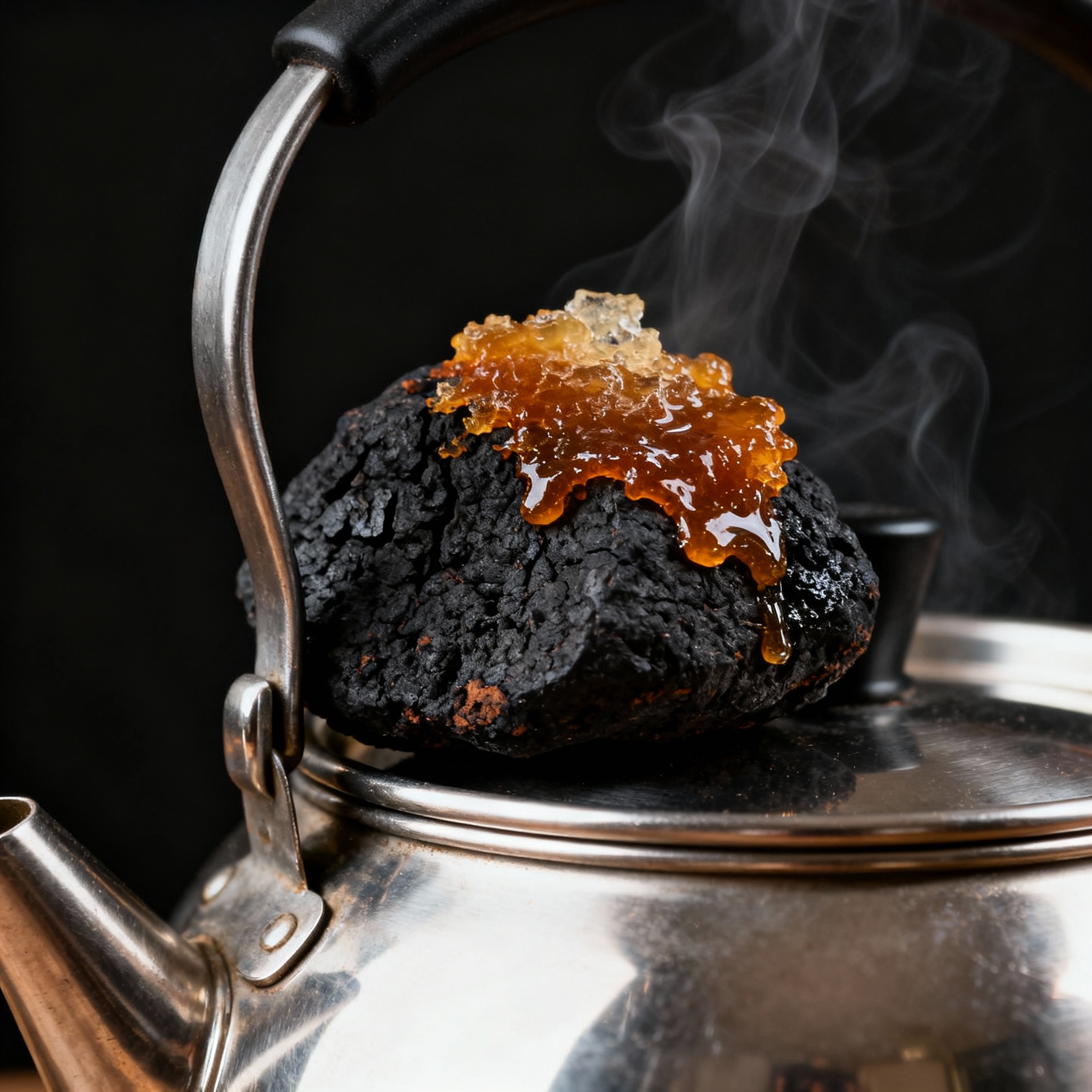
The boil lasts for about 60 to 90 seconds. During this time, proteins coagulate and sugars in direct contact with the rock caramelize instantly, creating a thin layer of dark material that flakes off into the liquid.
Do not try to drop the rock quickly to minimize steam. Lower it in slowly and steadily to prevent a shockwave from splashing boiling wort out of the vessel.
The Flavor: Volcanic Caramelization
The flavor of stein beer is unique, sitting between a rauchbier and a heavy barleywine. The superheated contact creates an extreme Maillard reaction that results in molasses and burnt brown sugar notes.
Second, the rocks themselves contribute minerals. Granite contains trace amounts of iron and magnesium that leach into the wort, adding a faint earthy or metallic note.
Smoke flavor is also present, especially if using a wood fire. Ash and soot on the rock surface provide a faint ashy note that is inseparable from the process.
If you want to maximize the caramelization, use a wort with a higher starting gravity (around 1.070 or higher). More sugar means more material to caramelize on the rock surface.
Safety: Handling the Heat
Stein beer requires specific protective gear. Use 18-inch welding tongs for reach and grip strength, and wear a long-sleeve cotton shirt to avoid melting synthetic fabrics.
Protect your eyes with safety glasses, as steam carries microscopic droplets of sticky wort. Keep a bucket of cold water nearby for emergencies and never brew indoors due to the sheer volume of steam.
Have a fire extinguisher within arm’s reach. A small kitchen extinguisher (rated for grease fires) is sufficient and provides peace of mind near the charcoal chimney.
Conclusion
Stein beer is not practical, but it offers a flavor profile that no modern kettle can replicate. It feels less like brewing and more like alchemy.
If you try this, start with a small five-gallon batch and wear more protective gear than you think you need. You’re not just making beer; you’re reaching back through time to touch something ancient.
References
- Cornell, M. Beer: The Story of the Pint. Headline Book Publishing, 2003.
- Hornsey, I.S. A History of Beer and Brewing. Royal Society of Chemistry, 2003.
- Palmer, J. How to Brew. Brewers Publications, 2017.
- University of Minnesota. “Rock Types and Their Formation.” 2019.
- Mosher, R. Radical Brewing. Brewers Publications, 2004.