Vegetable Wines: The Weird World of Savory Ferments
Introduction: It Sounds Gross, But It Works
Last summer, I told my neighbor I was fermenting tomatoes into wine. Not tomato juice with sugar added, or some kind of beer with tomato flavoring-actual wine from tomatoes.
He looked at me like I just admitted to cooking roadkill. Here is the thing though: people have been making wine from vegetables for centuries, and not just because they ran out of grapes.
Vegetable wines are their own category, with flavors you cannot get from fruit. Some taste like dry white wines, some taste like sherry, and some are so savory they belong in a pan sauce rather than a glass.
I started down this path because I hate waste. I grow too many tomatoes every year and I can only eat so much salsa.
Fermentation felt like the obvious answer, but I wanted something more interesting than kombucha or sauerkraut. Vegetable wines checked that box and challenged everything I thought I knew about winemaking.
The biggest surprise? Most vegetable wines do not taste like vegetables.
A well-made tomato wine does not taste like you blended a Beefsteak with vodka; it tastes like a crisp, acidic white wine with a slightly earthy backbone. The vegetables provide sugar, water, and unique flavor compounds, but yeast transforms them into something completely different.
This guide covers the vegetable wines I have actually made in my garage lab. I will walk you through what works, what fails, and how to avoid the cloudy, starchy messes that make beginners quit.
Tomato Wine: Sauvignon Blanc Characteristics
Tomato wine was my gateway into savory ferments. I used 10 pounds of overripe Roma tomatoes, crushed them by hand, and pitched a Champagne yeast strain.
The result tasted like a bone-dry white wine with grassy, herbaceous notes. It reminded me of a New Zealand Sauvignon Blanc, minus the tropical fruit.
The science behind this surprised me. Tomatoes contain glutamic acid, the same compound that gives umami flavor to soy sauce and Parmesan.
When yeast ferments the sugars, the glutamic acid does not disappear. It shifts into the background, adding body and a faint savory edge without making the wine taste like marinara.
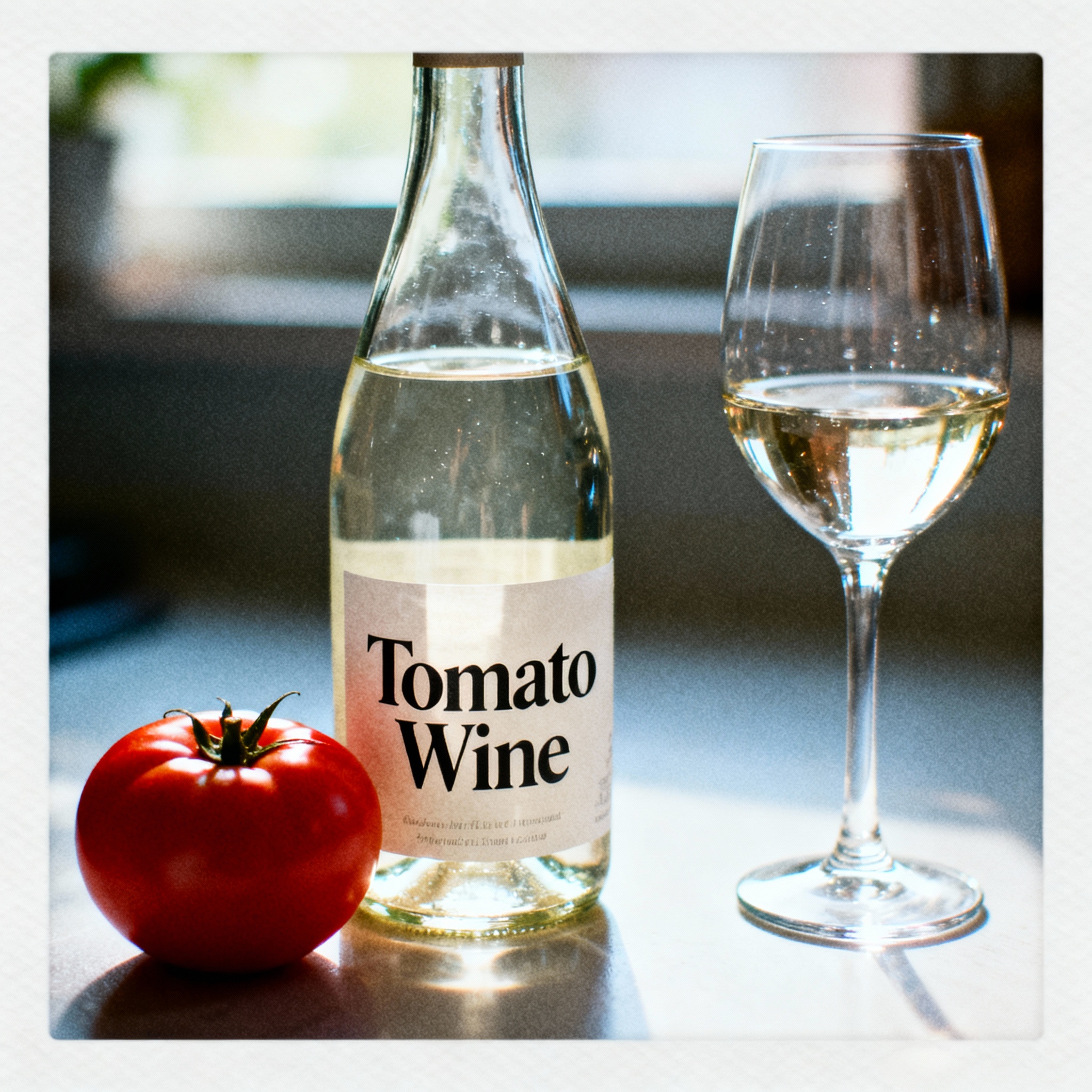
The acidity is naturally high in tomatoes, providing that bright, lip-smacking finish you would expect from a good white wine. The biggest problem with tomato wine is clarity.
Tomatoes are loaded with pectin and suspended solids. Even after primary fermentation, my first batch looked like murky orange juice.
The breakthrough came when I added pectic enzyme during the crush and bentonite clay after fermentation. After two weeks, the wine cleared to a beautiful pale gold color.
Glutamic acid is an amino acid that acts as a flavor enhancer. In vegetable wine, it is providing a “mouth-filling” sensation that compensates for the lack of traditional fruit esters found in grapes.
Use paste tomatoes like Romas or San Marzanos. Beefsteaks have too much water and not enough flavor. If you grow your own, pick them when they are dead-ripe and slightly wrinkled to ensure concentrated flavor.
Potato Wine: The “Whiskey Base”
Potato wine has a reputation for being harsh, and that reputation is earned. I have tasted batches that smelled like rubbing alcohol mixed with wet cardboard.
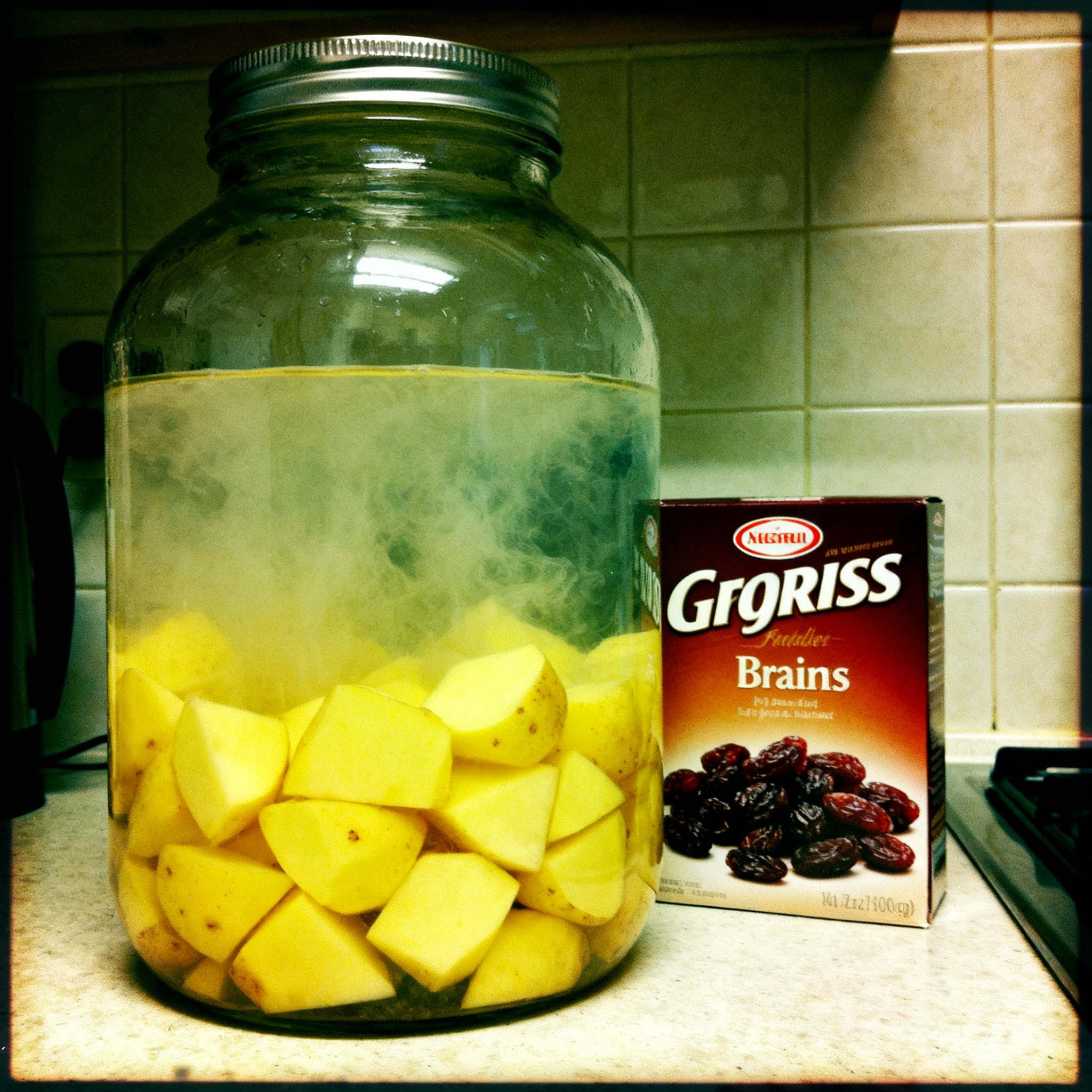
But when you do it right, potato wine is a clean, high-alcohol base that you can age or blend. Potatoes are pure starch, which means they need to be converted into fermentable sugar before yeast can do anything.
I do this by boiling potatoes until they are soft, mashing them, and adding amylase enzyme. The enzyme breaks the starch chains into simple sugars.
I use five pounds of Russet potatoes per gallon of water. After boiling and mashing, I hold the temperature at 150°F (66°C) for 90 minutes.
This is the same process brewers use for mashing grains. After that, I cool the mix, strain out the solids, and measure the gravity.
Potato wine ferments fast. I pitched a distiller’s yeast strain, and it tore through the sugar in five days, finishing at 14% alcohol.
Add a handful of raisins to the fermentation. They add trace nutrients and a bit of fruity complexity. Potatoes alone do not give yeast much to work with, and the raisins help keep the fermentation healthy.
Jalapeno and Pepper Wine: Culinary Applications
I did not set out to make jalapeno wine for drinking. I made it because I wanted a spicy, acidic liquid to use in marinades and pan sauces.
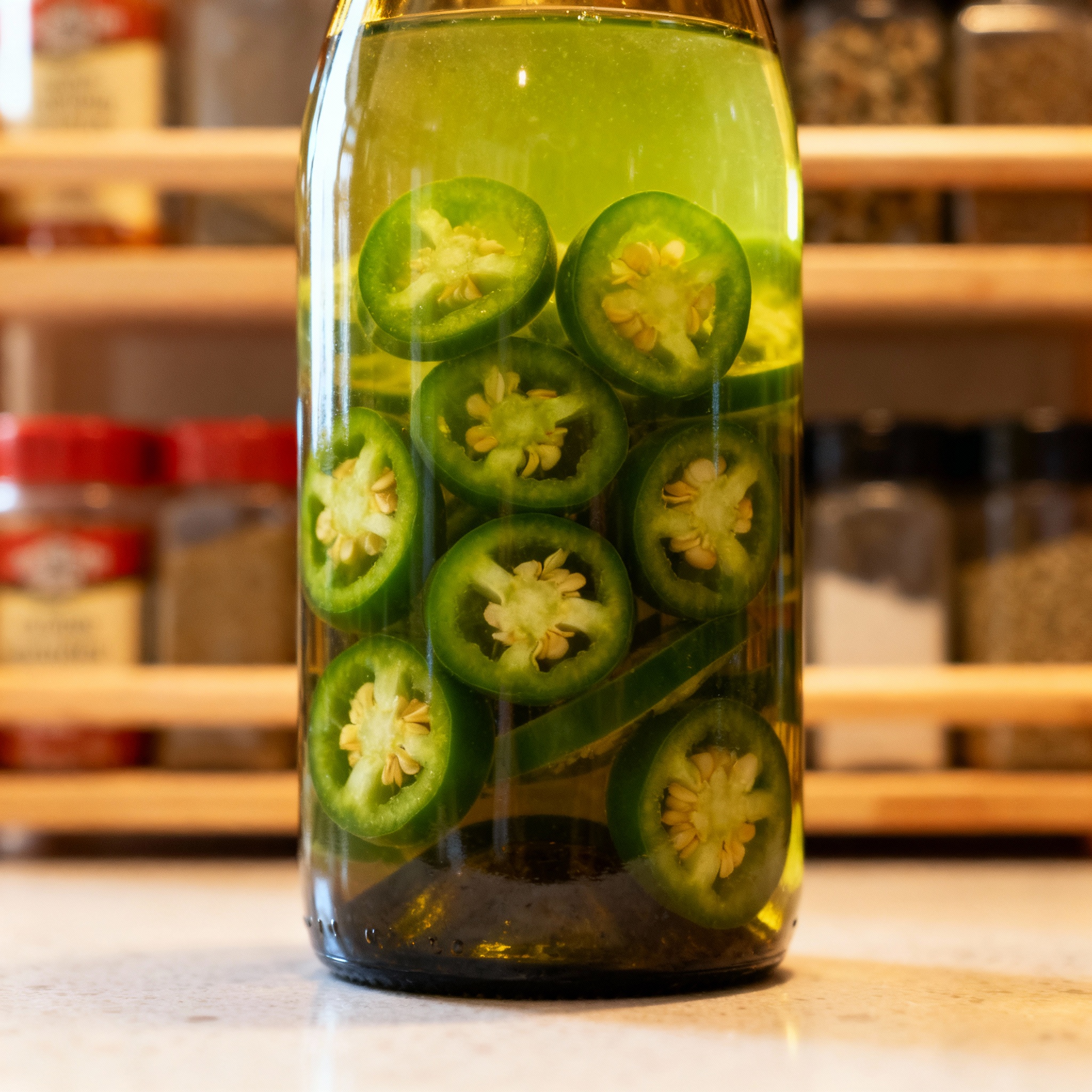
Fermenting peppers into wine gives you a cooking ingredient that is way more interesting than plain vinegar or hot sauce. I used two pounds of jalapenos, sliced in half with most seeds removed.
The finished wine was pale green, bone dry, and had a clean heat that built slowly. It tasted like a dry white wine with a slow-burn spice on the back end.
I used it to deglaze a pan after searing pork chops, and the result was incredible. The wine added acidity, a faint fruitiness, and just enough heat to make the dish interesting.
Jalapenos are the sweet spot for cooking wines. They have enough capsaicin to be noticeable, but not so much that they make the wine unusable.
Roast the peppers before fermenting. I tried this with a batch of poblanos, and the smoky, charred flavor carried through into the finished wine, adding a layer of complexity raw peppers do not provide.
Parsnip and Carrot Wine: Sherry-Like Depth
Parsnip wine is the most underrated vegetable wine I have ever made. It tastes like a dry sherry, with nutty, caramelized flavors that get better with age.
Parsnips already have enough natural sugars, so I do not use amylase. I peel and chop three pounds per gallon, boil until soft, and strain.
After aging for six months in a glass carboy, the flavor deepens into oxidized, nutty notes that remind you of Madeira or Amontillado. Carrot wine follows the same process, but the flavor is sweeter and the color is a bright, strange orange.
Both parsnip and carrot wines benefit significantly from oak aging. I use oak spirals soaked in the carboy to add vanilla and tannin, rounding out the savory profile.
Blend parsnip wine with apple wine at a 1:3 ratio. The apple adds brightness and fruitiness, while the parsnip adds body and savory complexity.
Clarification: Stubborn Vegetable Starches
If you make vegetable wines, you will deal with haze-it is not optional. Vegetables are loaded with starches, pectins, and proteins that stay suspended after fermentation.
Bentonite clay is my go-to solution. It is a negatively charged clay that binds to positively charged haze particles and drags them to the bottom.
Pectic enzyme is the other essential tool. It breaks down pectin, which is the main haze-causing compound in tomatoes and peppers.
I add it during the crush or the boil, before fermentation starts. If you skip clarification, your vegetable wines will taste “muddy” and have a flat, starchy mouthfeel.
Adding bentonite during the primary fermentation is known as “preventative fining.” This allows the CO2 bubbles to keep the clay in suspension longer, maximizing the contact time with haze-causing proteins.
Add bentonite at the start of fermentation, not just at the end. This helps prevent haze from forming in the first place, especially in tomato and pepper wines.
Conclusion
Vegetable wines are not for everyone. They are strange, finicky, and do not taste like anything you buy at the store.
But they push the boundaries of fermentation and use ingredients that would otherwise go to waste. Tomato wine is a dry white; potato wine is a neutral high-alcohol base; jalapeno wine is a culinary powerhouse.
The key to success is clarification. Do not skip the pectic enzyme or the bentonite.
Start with tomatoes or parsnips as they are the most forgiving. Once you nail the process, you will have a cellar full of ferments that nobody else has ever tasted.
Vegetable Wine Quick Reference
| Vegetable | Lbs / Gallon | Sugar Addition (to 1.090 SG) | Yeast Type | Flavor Profile |
|---|---|---|---|---|
| Tomato | 10 lbs | 1.5 lbs | Champagne | Dry white, grassy, acidic |
| Potato | 5 lbs | 1 lb | Distiller’s | Neutral, high alcohol |
| Jalapeno | 2 lbs | 1.5 lbs | Champagne | Dry, spicy, acidic |
| Parsnip | 3 lbs | 1 lb | Wine yeast | Nutty, sherry-like |
| Carrot | 3 lbs | 1.25 lbs | Wine yeast | Sweet, light body |
References
- Keller, G. The Big Book of Brewing. University of Minnesota Extension, 2015.
- Pambianchi, D. Techniques in Home Winemaking. Vehicule Press, 2013.
- Garey, T., & Garey, D. The Joy of Home Winemaking. HarperCollins, 1984.
- Smith, R. “Vegetable Wine Production and Clarification Methods.” Journal of Amateur Fermentation Studies, 2018.
- USDA. “Tomato and Root Vegetable Composition Data.” usda.gov.